
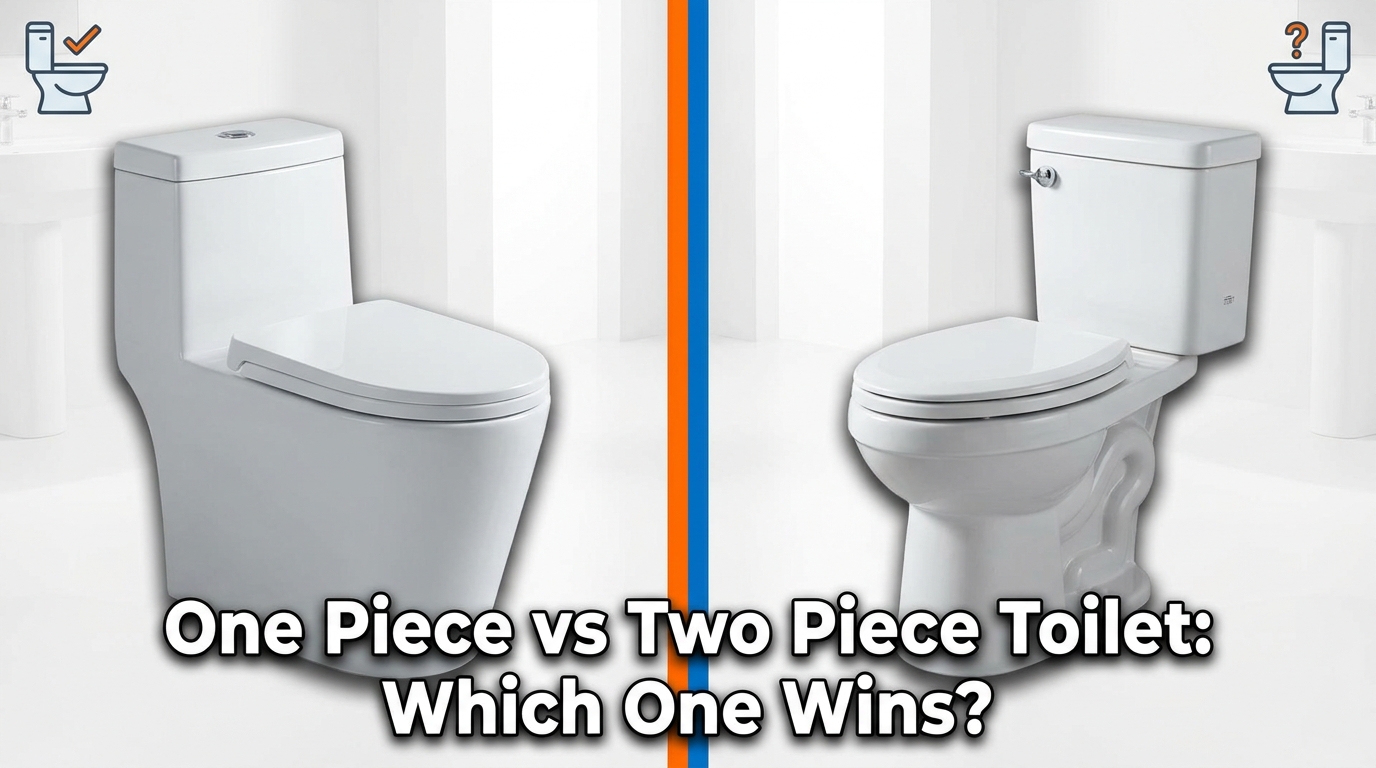
You’re mid-renovation, bathroom tiles are fresh, the vanity is in, and now you’re staring at two toilet options at the showroom — one sleek and seamless, the other taller and more familiar. The salesperson is waiting. And you have no idea which one to pick.
If that sounds familiar, you’re not alone. The debate between a one piece toilet vs 2 piece toilet is one of the most common questions homeowners face when remodeling or building new. And while they both do the same fundamental job, the differences in design, cost, maintenance, and installation can genuinely affect your daily life.
This guide breaks everything down — clearly, honestly, and without the fluff — so you can walk out of that showroom (or click “add to cart”) with total confidence.
What Is a One Piece Toilet?
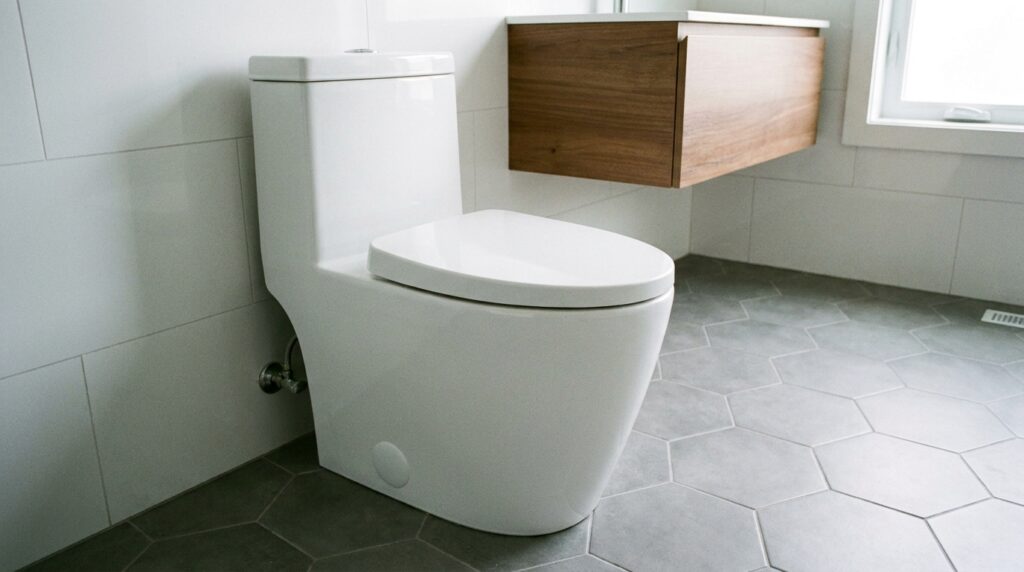
A one piece toilet is exactly what it sounds like: the tank and bowl are fused into a single, seamless unit. There’s no gap between the two parts because they’re manufactured together as one continuous piece of porcelain or ceramic.
This design gives the toilet a smoother, more contemporary look. It also means fewer crevices where grime and bacteria can hide.
Popular brands like TOTO, Kohler, and American Standard offer extensive one-piece toilet lines ranging from budget-friendly models to ultra-premium smart toilets.
What Is a 2 Piece Toilet?
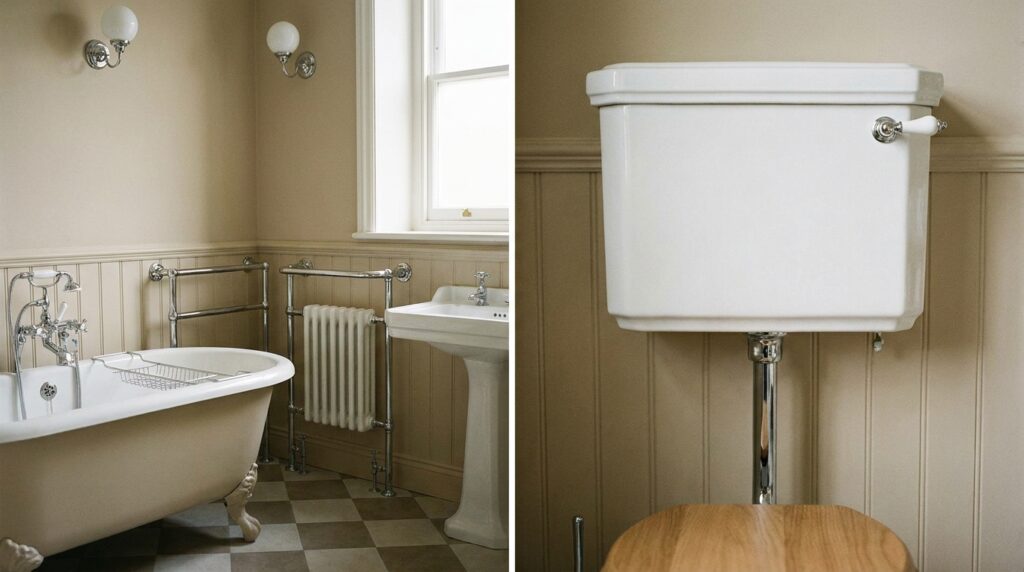
A two piece toilet has a separate tank and bowl that are bolted together during installation. The tank sits on top of the bowl, connected with bolts and a gasket. This is the “classic” toilet design most people grew up with.
Two-piece toilets are widely available, come in a vast range of styles and heights, and tend to be significantly more affordable. They’re the go-to choice for builders, contractors, and anyone working with a tighter budget.
Brands like Gerber, Glacier Bay, and Mansfield offer solid two-piece options that have been trusted for decades.
One Piece Toilet vs 2 Piece Toilet: Key Differences at a Glance
| Feature | One Piece Toilet | Two Piece Toilet |
|---|---|---|
| Design | Tank and bowl are fused | Separate tank and bowl |
| Average Cost | $200–$1,000+ | $100–$500 |
| Weight | Heavier (60–120 lbs) | Lighter, easier to transport |
| Cleaning | Easier (no gaps) | Slightly harder (seam at junction) |
| Installation | Simpler (one unit) | More steps (joining two parts) |
| Durability | Fewer leak points | More joints = more potential leaks |
| Height Options | Standard & comfort height | Wider variety |
| Shipping Risk | Higher (one bulky piece) | Lower (packed separately) |
| Aesthetics | Modern, sleek | Traditional, timeless |
Cost Comparison: Which One Is Easier on Your Wallet?
Let’s be direct: two-piece toilets are almost always cheaper.
A basic, reliable two-piece toilet from a brand like American Standard or Kohler can cost as little as $100–$200 at stores like Home Depot or Lowe’s. Even mid-range models with features like elongated bowls and dual-flush systems usually stay under $400.
One-piece toilets start around $200 for entry-level models, but a quality one-piece from TOTO or Kohler often runs $400–$800+. High-end smart toilet versions (with bidet functions, heated seats, auto-flush) can easily cross $1,000–$4,000.
Installation costs are roughly similar for both. A licensed plumber typically charges between $150–$400 to install either type, depending on your location and the complexity of the job. According to HomeAdvisor, the national average for toilet installation hovers around $370 including labor.
💡 Expert Tip: If you’re on a strict budget, a two-piece toilet gives you better value without sacrificing performance. But if you’re remodeling a master bathroom you plan to keep for 15+ years, a one-piece toilet’s durability and lower long-term maintenance can offset the upfront cost.
Installation: Which One Is Easier to Install?
One Piece Toilet Installation
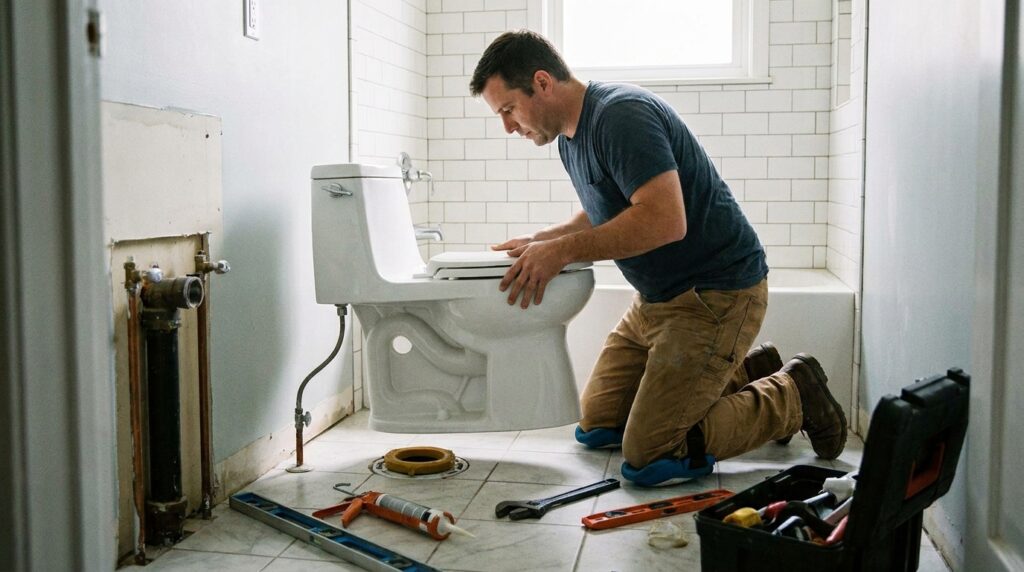
Installing a one-piece toilet is simpler in concept — you’re only dealing with one unit. You set it on the wax ring, bolt it to the floor flange, and connect the water supply line. No assembly required between tank and bowl.
However, the challenge is the weight. One-piece toilets typically weigh 60 to 120 pounds, which makes maneuvering them into tight bathroom spaces tricky — especially solo. You’ll likely want a second person or a professional.
Two Piece Toilet Installation
Two-piece toilets are lighter to transport because the tank and bowl are shipped (and carried) separately. But installation involves an extra step: attaching the tank to the bowl using tank bolts, a rubber gasket, and often a rubber washer. If not done correctly, this junction can develop leaks over time.
The good news? This is a very DIY-friendly process. Plenty of homeowners install two-piece toilets themselves using step-by-step guides from resources like This Old House or YouTube tutorials.
Verdict: One-piece is simpler to install mechanically, but two-piece is easier to transport and handle physically.
Cleaning and Maintenance: The Hygiene Factor
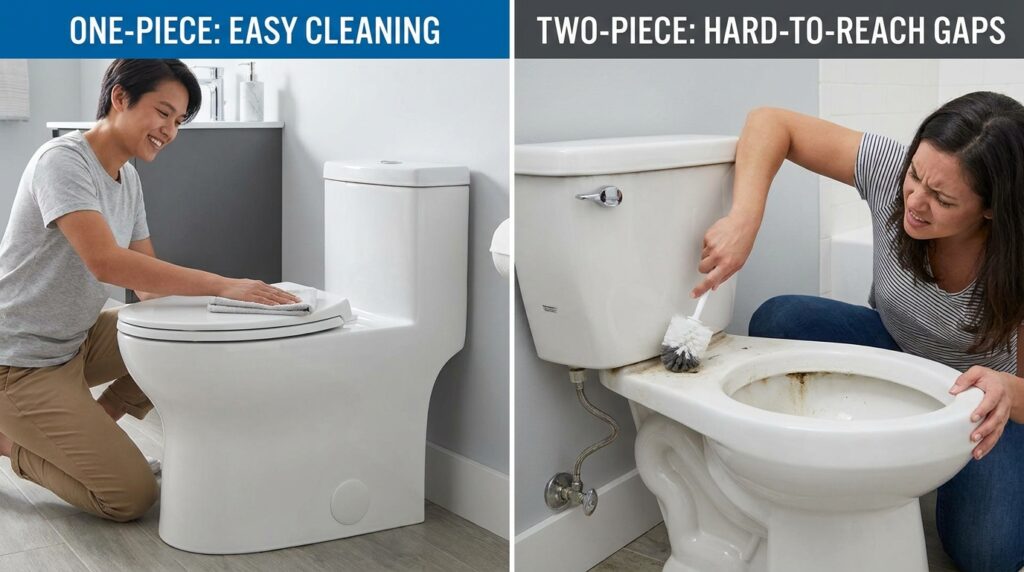
This is where one-piece toilets shine the brightest.
Because the tank and bowl are fused, there’s no gap or seam between them. That gap on a two-piece toilet — that small space where the tank meets the bowl — is a notorious hiding spot for bacteria, mold, and hard-to-reach grime. Anyone who has ever scrubbed that area knows how frustrating it can be.
According to research from NSF International, toilets harbor a range of bacteria and pathogens, and hard-to-clean surfaces significantly contribute to their spread. A seamless surface dramatically reduces these problem zones.
One-piece toilets are also typically lower-profile, which makes them easier to wipe down quickly without crouching awkwardly around a tank.
Two-piece toilets aren’t uncleanable — they just require a bit more attention around that tank-bowl junction. A good toilet brush, a spray disinfectant, and a regular cleaning routine handle it just fine.
Design and Aesthetics: What Looks Better?
This comes down to personal style and bathroom design.
One-piece toilets have a sleek, streamlined silhouette that suits modern, contemporary, and minimalist bathrooms. Their lower profile makes small bathrooms feel more open. If you’re going for a spa-like or high-end look, a one-piece toilet fits seamlessly into that vision.
Two-piece toilets have a classic look that works well in traditional and transitional bathrooms. They also tend to offer a wider variety of heights, including comfort height (also called ADA height), which is about 17–19 inches from floor to seat — a popular choice for taller individuals and people with mobility challenges. The Americans with Disabilities Act (ADA) provides specific guidelines for toilet height in accessible bathrooms, and two-piece models often have more options in this range.
Durability and Longevity: Which One Lasts Longer?
A well-maintained toilet of either type can last 20 to 50 years. That said, there are some structural considerations worth noting.
One-piece toilets have fewer mechanical connections, which means fewer potential leak points. There’s no tank-to-bowl gasket to wear out, and no tank bolts to corrode over time. From a purely mechanical standpoint, this makes them slightly more durable in the long run.
Two-piece toilets, however, offer a significant repair advantage: parts are easier and cheaper to replace. If the tank cracks on a two-piece toilet, you may be able to find a replacement tank without buying a whole new toilet. With a one-piece, damage to either section usually means replacing the entire unit.
According to Consumer Reports, both types perform comparably in reliability tests when from reputable brands.
Water Efficiency: Does Toilet Type Affect Flush Performance?
Not directly — water efficiency is more about the toilet’s flushing technology than whether it’s one-piece or two-piece.
What you should look for is the WaterSense label from the U.S. Environmental Protection Agency (EPA). WaterSense-certified toilets use no more than 1.28 gallons per flush (GPF), compared to older models that used 3.5–7 GPF.
Both one-piece and two-piece toilets are widely available in WaterSense-certified models. Brands like TOTO (known for their Tornado Flush technology) and Kohler offer high-efficiency models in both categories.
Expert Tip: Look for a dual-flush option in either type. These let you choose between a full flush (for solid waste) and a reduced flush (for liquid waste), which can cut household water usage significantly. The EPA estimates that switching to a WaterSense toilet saves the average family about 13,000 gallons of water per year.
Space Considerations: Which Works Better in a Small Bathroom?
One-piece toilets are typically lower to the ground and shorter in overall length, which can be a real advantage in cramped bathrooms or powder rooms. Their compact footprint makes them ideal for tight spaces.
Two-piece toilets, depending on the model, can project slightly further from the wall because of tank placement and overall height. However, some two-piece models are designed specifically for smaller spaces.
If you’re dealing with a bathroom under 50 square feet, measure carefully and check the toilet’s rough-in distance — the measurement from the wall to the center of the floor drain. Most toilets use a standard 12-inch rough-in, but some older homes have 10-inch or 14-inch configurations. Getting this wrong is a common and costly mistake.
Pros and Cons
One Piece Toilet
Pros:
- Easier to clean (no gap between tank and bowl)
- Sleeker, more modern appearance
- Fewer potential leak points
- Lower profile, ideal for small bathrooms
Cons:
- Higher upfront cost
- Heavier and harder to transport
- Entire unit must be replaced if damaged
- Fewer style/height options in lower price ranges
Two Piece Toilet
Pros:
- More affordable (great for budget renovations)
- Lighter and easier to transport
- Tank/bowl replaceable separately
- Wider variety of styles and comfort heights
Cons:
- Seam between tank and bowl requires extra cleaning
- More connections = more potential leak points
- Less modern aesthetic
- Slightly more complex installation
Expert Tips: What Plumbers and Interior Designers Recommend
We pulled together advice from industry professionals to give you real-world perspective:
- Plumbers generally recommend one-piece toilets for primary bathrooms where longevity and low maintenance matter. For rental properties or budget builds, two-piece is the practical choice.
- Interior designers favor one-piece toilets for contemporary and luxury bathroom remodels. The clean lines complement floating vanities and large-format tile.
- For ADA-compliant or senior-friendly bathrooms, look specifically at comfort-height two-piece models — they often offer better height options. The National Kitchen and Bath Association (NKBA) provides useful design guidelines for accessible bathrooms.
- Always check the flush rating before buying. The Maximum Performance (MaP) Testing program independently tests flush performance and rates toilets by how many grams of solid waste they can remove in a single flush. A score of 500g or higher is considered excellent.
FAQs: One Piece Toilet vs 2 Piece Toilet
1. Is a one piece toilet worth the extra cost?
For most homeowners renovating a primary or master bathroom, yes. The easier cleaning, sleeker design, and reduced leak points often justify the higher price over the toilet’s lifetime. For guest bathrooms, rental units, or tight budgets, a quality two-piece is perfectly fine.
2. Which toilet is easier to install — one piece or two piece?
One-piece toilets are mechanically simpler to install since there’s no tank-to-bowl assembly. However, their weight makes them harder to handle. Two-piece toilets are easier to transport but require a few more installation steps. Both are DIY-possible with the right guidance from resources like This Old House.
3. Which type flushes better?
Flush performance depends on the specific model and technology — not whether it’s one-piece or two-piece. Check the MaP flush score for any toilet you’re considering. TOTO’s Tornado Flush and Kohler’s AquaPiston are two examples of technologies available in both toilet types.
4. Are one piece toilets harder to clean?
Actually, the opposite is true. One-piece toilets are easier to clean because there’s no gap between the tank and bowl. That seamless surface means fewer places for bacteria and grime to accumulate.
5. Can I replace just the tank on a two-piece toilet if it cracks?
Sometimes, yes — if you can find a matching tank from the same manufacturer and model line. However, older or discontinued models may not have replacement tanks available, which could force a full replacement anyway. This is one reason some homeowners prefer one-piece models for long-term use.
Final Verdict: Which Should You Choose?
Here’s the simple truth: neither toilet is universally better. The right choice depends on your priorities.
Choose a one-piece toilet if:
- You want a modern, low-maintenance bathroom
- Cleaning ease is a top priority
- You’re renovating a master bathroom for the long term
- Budget allows for a higher upfront investment
Choose a two-piece toilet if:
- You’re working with a tighter budget
- You want more height and style options
- You’re outfitting a rental property, guest bathroom, or builder-grade space
- DIY-friendly installation and part replaceability matter to you
Both types are available from trusted retailers like Home Depot, Lowe’s, and Wayfair, and from premium brands like TOTO, Kohler, and American Standard.
Before you buy, take a moment to measure your rough-in distance, check the MaP flush rating, verify WaterSense certification, and compare the total cost of installation. Armed with that information, you’ll make a choice you’re happy with for decades to come.

