
Why More Startups Are Ditching Traditional Offices for Coworking Spaces

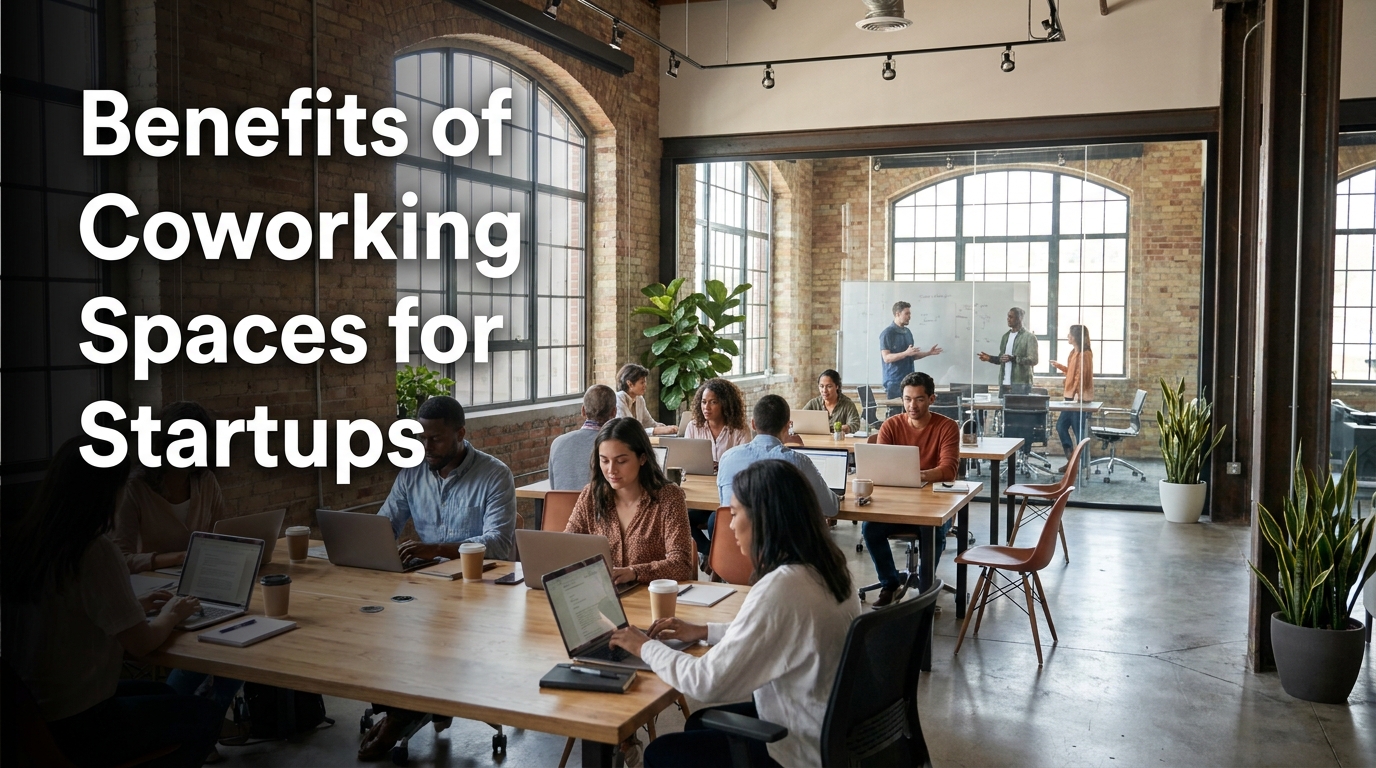
If you’ve ever walked into a coworking space, you’ve probably noticed something different right away. There’s a buzz in the air — people typing on laptops at shared tables, someone pitching an idea over coffee, a small team huddled in a glass-walled meeting room.
It doesn’t feel like a typical office. And that’s exactly the point.
For early-stage founders, the decision between a coworking space and a traditional office isn’t just about desks and chairs. It’s about cash flow, flexibility, talent, and honestly, survival. Startups operate on thin margins and tighter timelines than most established businesses, which means every dollar spent on rent, furniture, or a five-year lease is a dollar that could’ve gone toward product development or hiring.
That’s why coworking spaces have become such a popular choice. They strip away the overhead and complexity of running an office while giving startups access to professional environments, networking opportunities, and amenities they couldn’t otherwise afford.
In this guide, we’ll break down the real, practical benefits of coworking spaces for startups — backed by research, not just hype — and help you figure out whether it’s the right move for your growing team.
What Is a Coworking Space, Exactly?
Before diving into the benefits, let’s get on the same page about what coworking actually means.
A coworking space is a shared workspace where individuals and businesses — freelancers, remote workers, small teams, and entire startup companies — rent desks, private offices, or meeting rooms on flexible terms. Unlike a traditional lease, you’re not locked into a multi-year commitment. Most spaces offer month-to-month memberships, day passes, or short-term contracts.
The model has grown massively over the past decade. According to industry data, the U.S. coworking market reached over 9,100 active locations by early 2026, covering nearly 164 million square feet of flexible office space. That’s a huge jump from just a few years ago, and it shows just how mainstream this workspace model has become — especially among startups and small businesses.
Top Benefits of Coworking Spaces for Startups
Let’s get into the meat of it. Here’s what coworking spaces actually offer that makes them so attractive to early-stage companies.
1. Lower Costs Without Sacrificing Professionalism
Renting a traditional office means signing a lease (often for years), paying a security deposit, buying furniture, setting up internet and utilities, and hiring someone to manage all of it. For a startup with limited runway, that’s a massive financial risk.
Coworking spaces flip this model. You pay a monthly fee that typically covers:
- Desk or office space
- High-speed internet
- Utilities (electricity, water, heating/cooling)
- Office furniture
- Meeting room access
- Reception and mail handling
- Coffee, tea, and sometimes snacks
This is one of the biggest reasons coworking has grown into a multi-billion dollar global industry, with the market valued at over $20 billion and growing at double-digit rates year over year.
For a startup, this isn’t just convenient — it’s a survival strategy. Every dollar saved on overhead is a dollar that can go toward product development, marketing, or your next hire.
2. Flexible Office Space That Scales With Your Team
One of the trickiest parts of running a startup is that your team size can change fast. You might hire five people this quarter and then need to scale down — or up — the next.
Traditional office leases don’t bend easily. If you sign for 2,000 square feet and your team shrinks to four people, you’re stuck paying for empty desks. If you grow faster than expected, you’re stuck trying to break a lease or find sublease tenants.
Flexible office space for growing startups solves this problem directly. Most coworking providers let you:
- Add or remove desks month to month
- Upgrade from a shared desk to a private office as you grow
- Book meeting rooms only when you need them
- Move to a different city or location if your business needs change
This kind of flexibility matters more than people realize. A report from Yardi Kube noted that coworking has shifted from being seen as a “workplace experiment” to becoming core infrastructure — companies are now asking “how much flexible space do we need?” rather than whether they need it at all.
3. Built-In Networking and Community
This is where coworking spaces really shine for startups — and it’s backed by solid research.
A widely cited Harvard Business Review study found that people working in coworking spaces reported “thriving” scores averaging close to 6 out of 7 — at least a point higher than people in traditional office environments. The same research found that a large majority of coworkers felt more engaged, motivated, and happier compared to their previous workplace setups.
But it goes beyond just feeling good. Coworking spaces put you in daily contact with:
- Other founders facing similar challenges
- Freelancers and contractors you might hire
- Potential clients or business partners
- Investors who sometimes work out of these spaces or attend events there
- Mentors with experience scaling their own companies
Research from WeWork found that 80% of members say coworking expanded their business network, and a separate Harvard Business Review survey found that around 82% of coworking users said these environments helped grow their professional networks.
For a startup, this is huge. A casual conversation in the kitchen could lead to your next client, co-founder, or even investor.
Real-world example: Many successful companies — including some that started in coworking spaces like WeWork locations — built early traction simply by being in proximity to other founders and industry events happening in the building.
How Coworking Spaces Improve Startup Productivity
This is one of the most researched aspects of coworking, and the data is genuinely compelling.
The Research Behind the Productivity Boost
A study highlighted by Harvard Business Review found that 83% of coworking space users reported feeling more productive since joining a shared workspace, according to survey data covering coworking members.
Similarly, research from Deskmag, one of the most-cited sources in coworking research, found that around 74% of coworkers reported being more productive after switching to a shared workspace.
A 2018 study published in the Journal of Facilities Management dug deeper into why this happens. Researchers found that two factors drove the productivity boost: social interaction (both within a startup’s own team and with other members) and the physical environment of the coworking space itself.
Why Does This Happen?
It comes down to a few practical reasons:
Structure without rigidity. Working from home sounds great until you’re three hours into a Netflix-induced productivity slump. Coworking spaces create a “going to work” routine without the corporate stiffness of a traditional office.
Reduced distractions. Home offices come with laundry, kids, pets, and the fridge calling your name. Coworking spaces are designed specifically for focused work, with quiet zones, phone booths, and dedicated desks.
Energy from being around others. There’s a psychological effect of working near other motivated, hard-working people. It’s the same reason people study better in libraries than alone in their bedrooms.
Access to better tools and tech. Most coworking spaces offer high-speed internet, printing, scanning, video conferencing setups, and ergonomic furniture — things many home offices lack.
Best Coworking Environment for Startup Teams: What to Look For
Not all coworking spaces are created equal. If you’re choosing one for your startup team, here’s what actually matters.
Key Features to Prioritize
| Feature | Why It Matters for Startups |
|---|---|
| Private meeting rooms | Needed for client calls, investor pitches, and team strategy sessions |
| High-speed, reliable internet | Non-negotiable for remote work, video calls, and cloud tools |
| Flexible membership terms | Allows scaling up/down without penalty |
| 24/7 access | Startups don’t run on a 9-to-5 schedule |
| Community events | Networking, workshops, and mentorship opportunities |
| Location | Proximity to clients, talent pool, and transit |
| Privacy options | Dedicated desks or private offices for sensitive work |
| Printing/scanning/mail services | Reduces need for separate equipment purchases |
According to data from the Global Coworking Unconference Conference (GCUC), the majority of coworking spaces now offer meeting rooms, high-speed internet, and regular networking events — meaning most modern spaces should check these boxes by default.
Industry-Specific Considerations
If your startup is in tech, you might benefit from spaces with a strong concentration of similar companies. Research has even found that proximity matters at a granular level — a study covered by Spacebring found that startups located within a 20-meter radius of each other within the same coworking building were significantly more likely to adopt similar emerging technologies, a phenomenon researchers call “knowledge spillover.”
In plain terms: being physically close to other innovative companies can rub off on your own team’s thinking and tech adoption.
Coworking Space vs Traditional Office for Startups: A Side-by-Side Look
This is often the deciding factor for founders weighing their options. Here’s an honest breakdown.
| Factor | Coworking Space | Traditional Office |
|---|---|---|
| Lease commitment | Month-to-month or short-term | Usually 3–10 year leases |
| Upfront costs | Minimal (membership fee) | High (deposit, furniture, setup) |
| Scalability | Easy to add/remove desks | Difficult; requires renegotiation |
| Networking | Built-in community of other businesses | Limited to your own team |
| Amenities | Usually included (internet, utilities, coffee) | Must be set up and managed separately |
| Maintenance | Handled by provider | Your responsibility |
| Brand identity/customization | Limited | Full control over space design |
| Privacy | Varies (open desks vs private offices) | Full privacy by default |
| Long-term cost (large team) | Can become more expensive at scale | Often cheaper per square foot at scale |
When Traditional Offices Make More Sense
To be fair, coworking isn’t perfect for every startup. If you have:
- A large, established team (50+ employees) with predictable headcount
- A need for heavy customization (labs, manufacturing, specialized equipment)
- Strict confidentiality requirements that open layouts can’t accommodate
- A long-term budget that benefits more from owning or long-term leasing
…then a traditional office might actually be more cost-effective in the long run.
But for early-stage and growing startups — which is most startups — the flexibility of coworking usually outweighs these downsides.
Pros and Cons of Coworking Spaces for Startups
To keep things balanced, here’s a quick rundown.
Pros
- Lower upfront and ongoing costs
- No long-term lease commitment
- Built-in networking opportunities
- Access to professional amenities without setup hassle
- Easy to scale up or down
- Boosts productivity through structure and social interaction
- Professional environment for client meetings
Cons
- Less privacy in open-plan setups
- Limited control over office design and branding
- Shared resources (meeting rooms, etc.) may require booking in advance
- Noise levels can be distracting for some workers
- Costs can add up at larger team sizes compared to owning space
Expert Tips: Making the Most of a Coworking Space as a Startup
If you’re going to invest in a coworking membership, here’s how to actually get value from it.
1. Don’t just rent a desk — show up to events. Most coworking spaces host regular networking nights, workshops, or pitch sessions. These aren’t filler content; they’re often where real connections happen.
2. Negotiate your terms. Many coworking providers are open to negotiating pricing for longer commitments or multiple desks, especially if you’re a growing team. Don’t assume the listed price is final.
3. Use private spaces strategically. Save private meeting rooms for client calls, investor pitches, or sensitive discussions — and use open areas for everyday work to keep costs reasonable.
4. Build relationships with the community manager. They often know which members are hiring, looking for partnerships, or have skills your startup needs.
5. Test before committing. Most spaces offer day passes or trial periods. Use these to evaluate noise levels, internet speed, and overall vibe before signing a longer membership.
Frequently Asked Questions
1. Are coworking spaces good for startups in the early stages?
Yes. Early-stage startups benefit the most from coworking because of low overhead, flexible terms, and access to a built-in network of other entrepreneurs, freelancers, and potential collaborators — all without the financial risk of a long-term lease.
2. How much does a coworking space typically cost?
Costs vary widely depending on location and the type of space (hot desk, dedicated desk, or private office). Many providers offer hot desks starting at a relatively affordable monthly rate, while private offices for small teams cost more but still tend to be cheaper than leasing traditional office space when you factor in utilities, furniture, and maintenance.
3. Can coworking spaces actually improve productivity?
Research suggests yes. Multiple studies, including survey data referenced by Harvard Business Review, have found that a large majority of coworking members report feeling more productive compared to working from home or in traditional office settings — largely due to structure, reduced distractions, and social motivation.
4. Is coworking better than working from home for a startup team?
For teams, generally yes. While remote work has its place, coworking spaces provide a shared physical environment that supports collaboration, reduces isolation, and gives your team a professional space for meetings — something a collection of home offices can’t replicate.
5. When should a startup move from coworking to a traditional office?
Most startups consider transitioning once their team grows large enough (often 30-50+ employees) that coworking costs start exceeding what a dedicated office lease would cost, or when they need specialized infrastructure that shared spaces can’t accommodate.
Final Thoughts: Is Coworking Right for Your Startup?
Here’s the bottom line: coworking spaces were built for exactly the kind of uncertainty and growth that startups deal with every day. They remove the financial pressure of long-term leases, give your team a productive environment without the hassle of office management, and put you in daily contact with people who can help your business grow — whether that’s through partnerships, hires, or just good advice over coffee.
That doesn’t mean it’s the right fit for every startup at every stage. But if you’re an early-stage or growing company trying to balance professionalism, cost, and flexibility, coworking is worth serious consideration.
Thinking about making the switch? Start by visiting a few coworking spaces in your area, take advantage of day passes or trial periods, and pay attention to how the environment feels — not just on paper, but in person. The right space can genuinely change how your team works.

