
Introduction
You lit a candle to set the mood — maybe a quiet evening, a dinner party, or just a relaxing bath. And then it happened. A drip here, a puddle there, and suddenly your favorite tablecloth, hardwood floor, or carpet has a waxy mess that seems impossible to fix.
Don’t panic. Candle wax looks permanent, but it’s actually one of the easier household messes to clean — once you know the right technique for the right surface.
This guide covers everything you need to know about how to remove candle wax from virtually any surface. Whether you’re dealing with fabric, wood, carpet, glass, leather, or painted walls, you’ll find a clear, step-by-step method here that actually works.
Let’s get into it.
What You’ll Need Before You Start
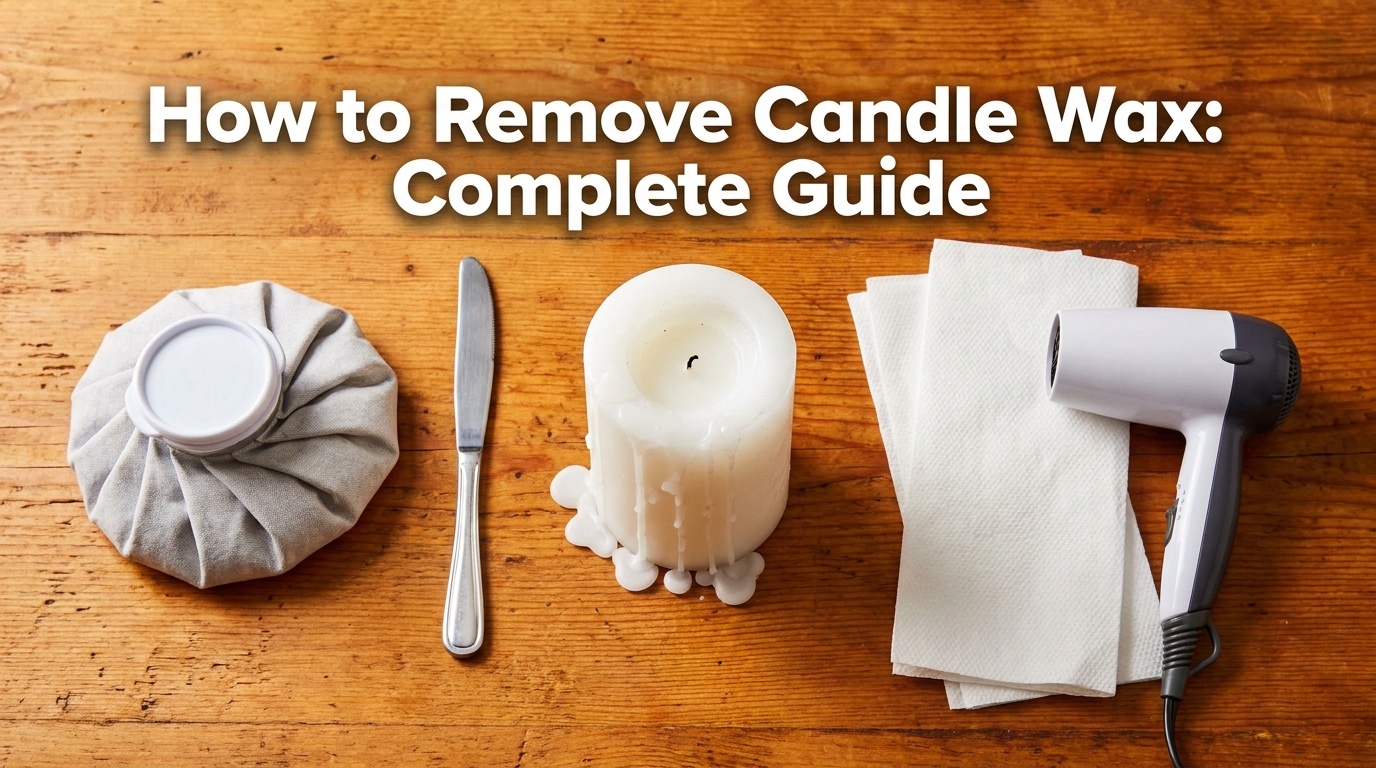
Before picking any method, it helps to have these common items ready:
- Ice cubes or a freezer bag filled with ice
- A butter knife, spoon, or plastic scraper
- A hair dryer or heat gun
- White absorbent cloths or paper towels
- Rubbing alcohol or white vinegar
- Dish soap
- A commercial stain remover (like Carbona Stain Devils or similar)
- Iron (for fabric and carpet methods)
Most of these are already in your home, which makes this one of the most budget-friendly cleaning tasks around.
The Golden Rule: Freeze First or Heat It — Know Which to Use
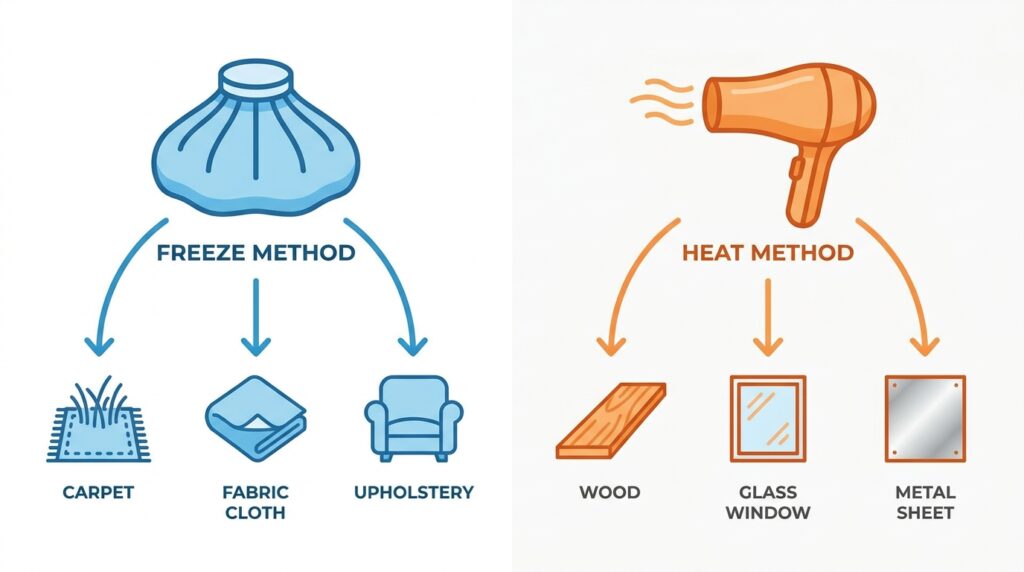
Before you touch the wax, you need to decide: freeze it or melt it?
Freeze the wax when it’s on:
- Carpet
- Fabric and upholstery
- Clothing
- Leather
Heat the wax when it’s on:
- Glass
- Metal
- Some hardwoods (with care)
For most porous or fiber-based surfaces, freezing the wax makes it brittle so you can chip it away cleanly. For hard, non-porous surfaces, gently remelting the wax lets you wipe it away before it re-hardens.
Let’s break this down surface by surface.
How to Remove Candle Wax from Carpet
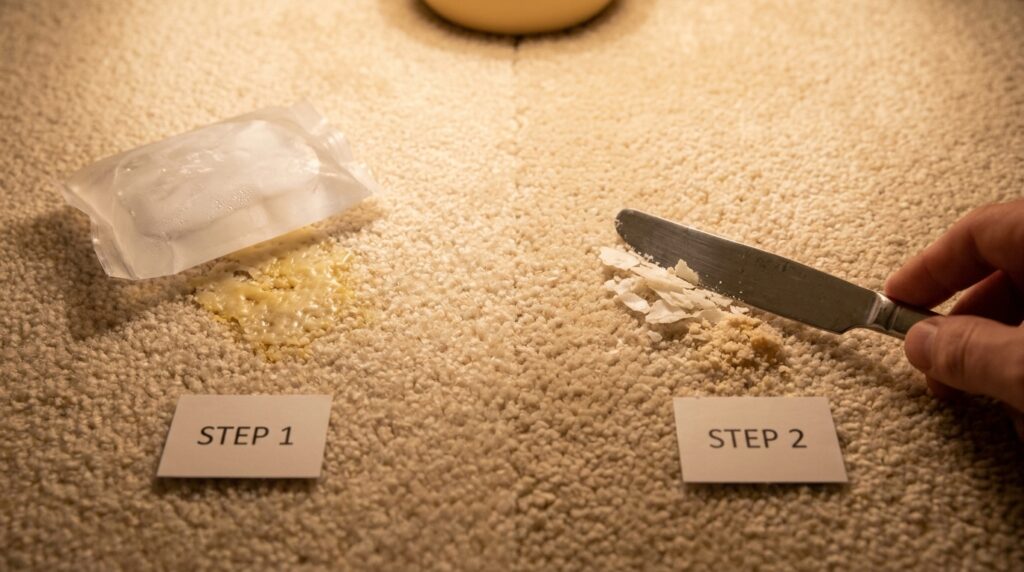
Carpet is one of the most common victims of candle wax drips. The fibers trap the wax, but that’s actually to your advantage with the freeze method.
Step-by-Step: Freeze Method for Carpet
- Let the wax harden completely. Don’t touch it while it’s still warm — you’ll push it deeper into the fibers.
- Apply ice. Place a bag of ice or a freezer pack directly over the wax for 5–10 minutes until it becomes completely solid.
- Break it apart. Use a butter knife or a credit card to chip and scrape the frozen wax. Work from the outer edges inward.
- Vacuum the pieces. Use a vacuum to pick up all loose wax fragments.
- Treat the stain. If any color or residue remains, place a white paper towel or cloth over the spot and press a warm iron over it. The wax re-melts and transfers to the paper. Move to a clean section of paper and repeat.
- Clean the residue. Apply a small amount of rubbing alcohol on a clean cloth and blot — don’t rub — to lift any remaining oily residue or dye from the candle.
For stubborn stains, a product like Spot Shot Carpet Stain Remover can help finish the job.
Expert Tip: Always test any cleaning solution on a hidden section of carpet first. Some carpet dyes are sensitive to alcohol or solvents, and you don’t want to trade one problem for another.
How to Remove Candle Wax from Wood
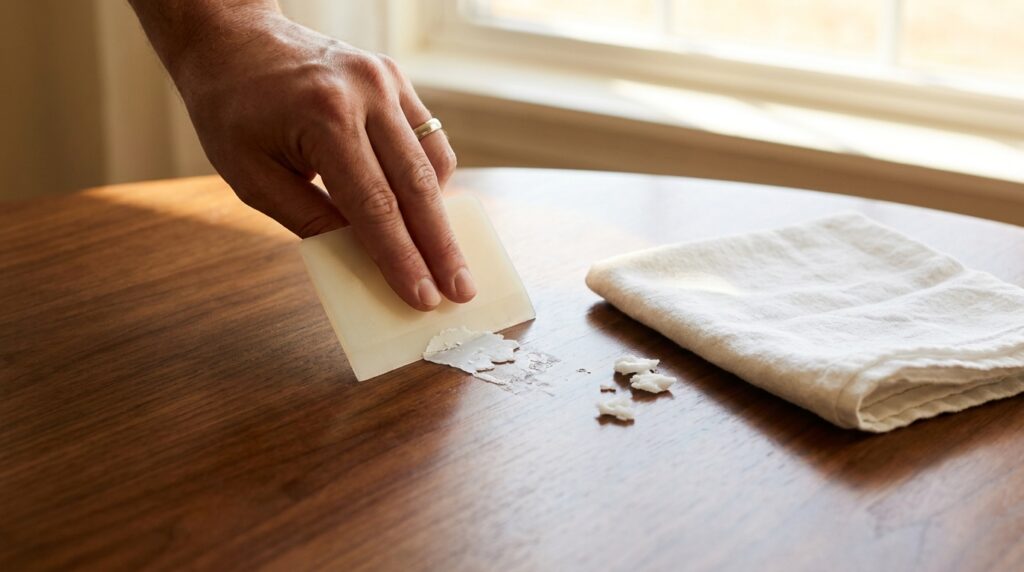
Wood requires a gentle touch because aggressive scraping can damage the finish or leave scratches.
Step-by-Step: Wax on Hardwood or Furniture
- Let the wax harden. Never attempt to wipe liquid wax — it just smears.
- Freeze gently. You can use an ice pack in a plastic bag (to avoid moisture damage) pressed on the wax for a few minutes.
- Scrape carefully. Use a plastic scraper, old credit card, or a spoon — avoid metal knives on finished wood. Work with the grain.
- Remove residue. Dampen a soft cloth lightly with white vinegar or a wood-safe cleaner and wipe away remaining oily residue.
- Polish. Apply a wood polish or furniture wax to restore shine and protect the surface.
According to The Spruce’s wood care guidelines, always wipe with the grain and avoid harsh solvents that can strip finishes.
Expert Tip: For unfinished or raw wood, wax can penetrate deeper. A small amount of mineral spirits on a cloth can help dissolve it without damaging the wood fiber.
How to Remove Candle Wax from Fabric and Clothing
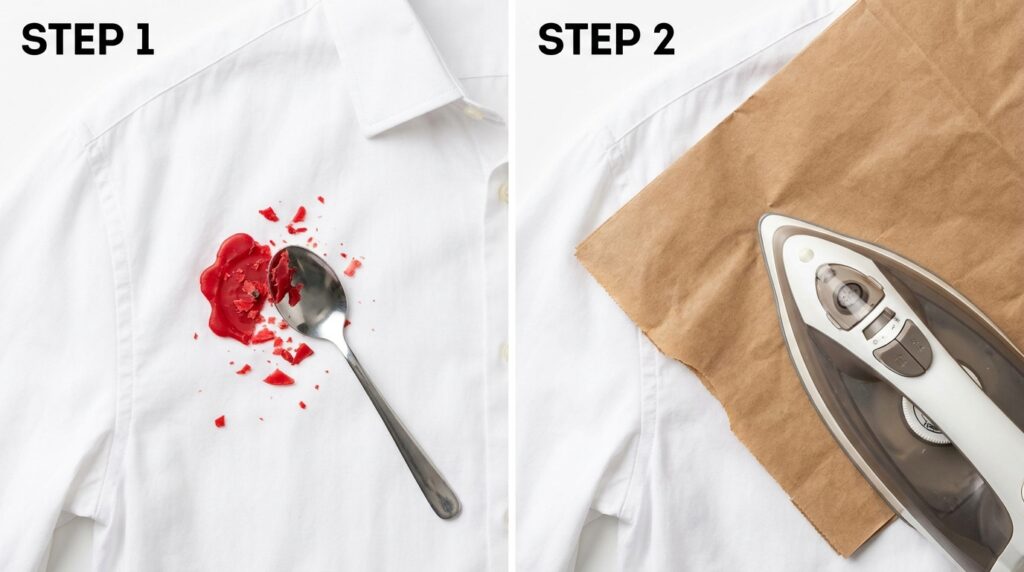
Wax on fabric is probably the most common question in laundry forums — and it has a satisfying, easy solution.
Step-by-Step: Iron and Paper Method
- Let it harden. Again, don’t touch liquid wax.
- Scrape off excess. Once hard, gently chip away what you can with a dull knife or spoon.
- Place absorbent material. Put a brown paper bag or several layers of paper towels over and under the stained area.
- Iron on low heat. Press the iron over the paper. The heat melts the wax and the paper absorbs it. Move the paper frequently to expose clean sections.
- Treat the stain. If a colored candle left a dye stain, apply a pre-wash stain remover or dab the area with rubbing alcohol. Let it sit for a few minutes.
- Wash normally. Launder according to the fabric’s care label.
The American Cleaning Institute recommends always checking care labels before treating fabric with heat — some synthetics can melt or warp.
Expert Tip: For delicate fabrics like silk or lace, skip the iron and take the garment to a professional dry cleaner. Mention the wax specifically so they can use the right solvent.
How to Remove Candle Wax from Glass
Candle Holders and Glass Surfaces
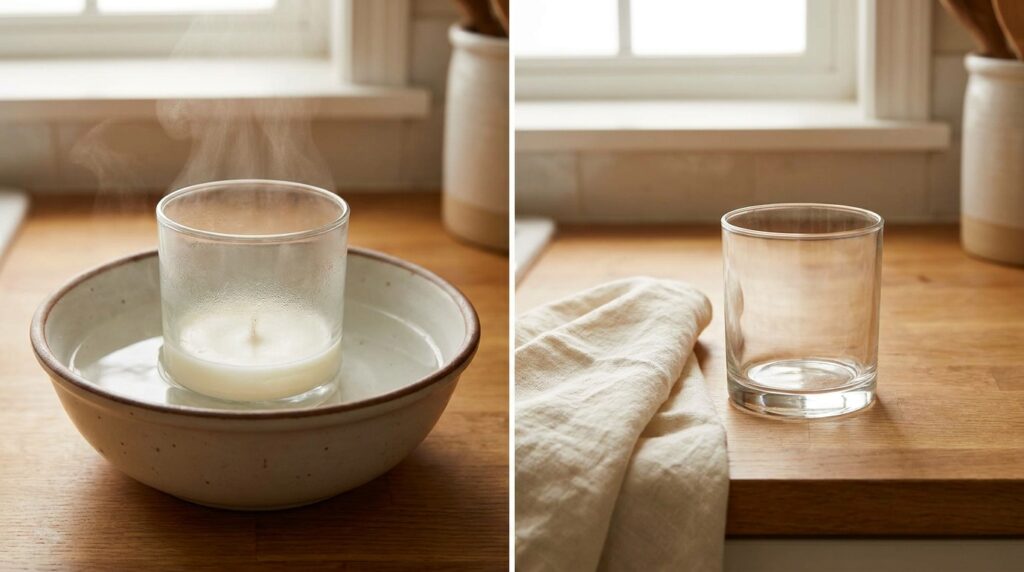
Glass is actually one of the easiest surfaces to clean wax from because it’s non-porous.
Method 1: Hot Water Soak
- Boil water and pour it carefully into or around the glass item.
- The wax will melt and float to the surface.
- Let it cool slightly, then remove the wax disk with tongs or a spoon.
- Wash with dish soap and warm water.
Method 2: Freezer Method
- Place the glass item in the freezer for 1–2 hours.
- The wax shrinks and pops free from the glass.
- Use a wooden chopstick or butter knife to remove it.
This works great for repurposing used candle jars into storage containers or planters.
Expert Tip: Never pour boiling water directly into a cold glass — thermal shock can cause cracking. Let the glass come to room temperature first, or use very hot (not boiling) water.
How to Remove Candle Wax from Walls and Painted Surfaces
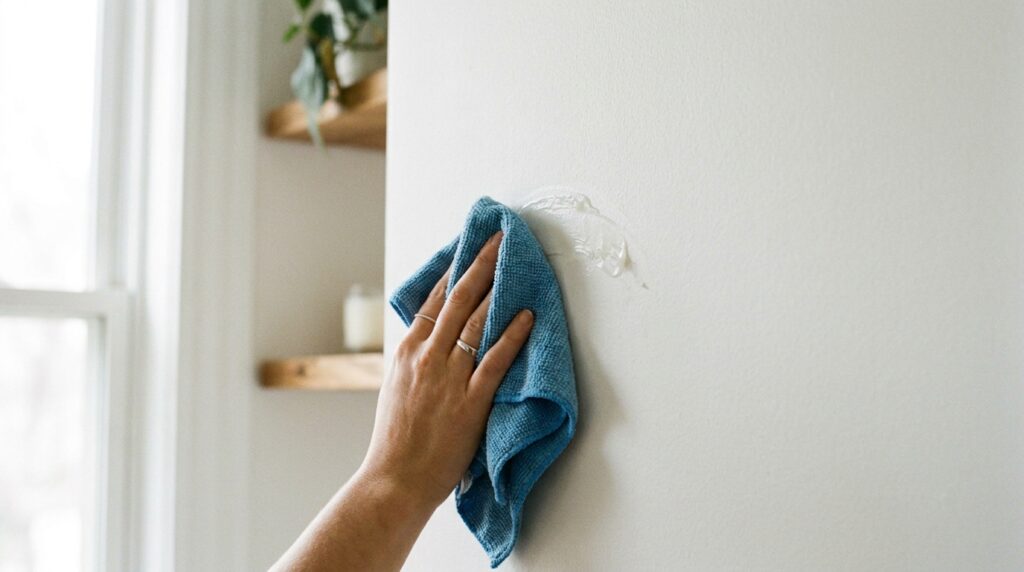
Wax on walls requires a delicate approach — you don’t want to strip the paint or leave a grease smear.
Step-by-Step
- Freeze the wax. Hold an ice pack against the wall for 3–5 minutes to harden the wax.
- Flick it off gently. Use a plastic scraper or your fingernail to carefully pop the hardened wax from the surface.
- Residue removal. Dampen a clean cloth with white vinegar or a diluted dish soap solution. Gently dab the area — don’t scrub.
- Dry immediately. Moisture sitting on painted walls can cause peeling. Pat dry with a clean cloth.
For flat or matte paint finishes, extra care is needed — these are more porous than satin or gloss finishes and can absorb the oily residue from wax more easily.
How to Remove Candle Wax from Upholstery and Sofas
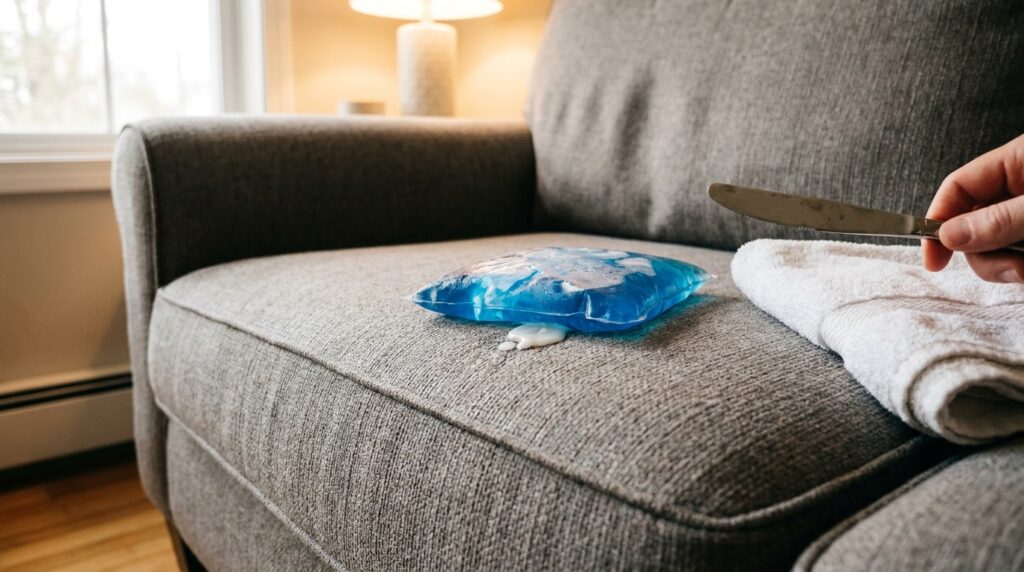
Step-by-Step for Upholstery
- Freeze the wax using an ice pack for 5–10 minutes.
- Chip away the frozen wax using a credit card or plastic scraper.
- Vacuum the area to remove loose wax particles.
- Apply heat carefully. Place a white paper towel over the spot and use an iron on the lowest heat setting to draw out remaining wax.
- Spot clean. Mix a few drops of dish soap with warm water. Use a clean cloth to blot the area, rinse, and blot dry.
- Air dry. Never sit on damp upholstery — let it dry completely before use.
Always check your sofa’s fabric tag for cleaning codes:
- W = Water safe
- S = Solvent only (no water)
- W/S = Either method is fine
- X = Professional cleaning only
How to Remove Wax from Candle Jars (Repurposing Tips)
Reusing Old Candle Containers
This is a question candle lovers search all the time — and the answer is simple. Use the hot water method or the freezer method described in the glass section above. Once clean, old candle jars make excellent:
- Succulent planters
- Desk organizers (for pens, clips, etc.)
- Bathroom storage for cotton swabs or bobby pins
- Homemade candle holders or tea light containers
According to Good Housekeeping, the wick glue dot at the base can usually be removed with rubbing alcohol on a cotton ball.
How to Remove Candle Wax from Stone, Tile, and Grout
Stone surfaces like marble, granite, and slate need careful handling — certain solvents can etch or stain the stone.
Step-by-Step
- Let the wax harden or freeze with a bag of ice.
- Scrape gently with a plastic scraper — never metal on marble.
- Wipe with warm water and a few drops of dish soap.
- For grout: Use a soft brush dipped in warm soapy water to work out any wax trapped in the grout lines. A toothbrush works well here.
- Seal after cleaning. If you have sealed stone, consider reapplying a stone sealant after cleaning to maintain protection.
Expert Tip: Never use white vinegar or acidic cleaners on marble or limestone — they can permanently etch the surface. Stick to pH-neutral soap solutions.
Quick Reference: Wax Removal Methods by Surface
| Surface | Best Method | Avoid |
|---|---|---|
| Carpet | Freeze, chip, iron + paper | Hot water directly on carpet |
| Hardwood | Freeze, plastic scraper, white vinegar | Metal scrapers, harsh solvents |
| Fabric/Clothing | Iron + paper, wash normally | High heat on delicates |
| Glass | Hot water soak or freezer | Boiling water in cold glass |
| Painted Walls | Freeze, chip, mild soap | Abrasive scrubbers |
| Upholstery | Freeze, chip, spot clean | Soaking with water |
| Marble/Stone | Freeze, plastic scraper, neutral soap | Vinegar, acid cleaners |
| Leather | Freeze, chip, leather conditioner | Alcohol, acetone |
How to Remove Candle Wax from Leather
Leather is porous but delicate — wrong moves can cause discoloration or cracking.
- Freeze the wax using a bag of ice — be careful not to leave moisture on the leather.
- Flick or peel the frozen wax carefully.
- Clean residue. Dampen a soft cloth with a leather-safe cleaner or a tiny amount of petroleum jelly (yes, petroleum jelly — it can actually dissolve wax residue gently).
- Condition. Apply a leather conditioner to restore moisture and prevent cracking.
Brands like Leather Honey offer conditioners that work well for post-cleaning treatment.
How to Prevent Candle Wax Drips in the First Place
Prevention is always easier than cleanup. Here are a few simple habits that make a huge difference:
- Use candle holders designed to catch drips — especially for taper and pillar candles.
- Keep candles away from drafts. Air movement causes uneven burning and runaway drips.
- Trim your wick to about ¼ inch before each burn. This reduces the size of the flame, which means less wax melts and overflows. The National Candle Association recommends this as a core candle safety practice.
- Burn on a stable, level surface. Tilted candles drip unevenly.
- Don’t burn candles too long. Limit burns to 4 hours at a time to prevent the wax pool from getting too deep and overflowing.
Expert Tips Section
Here’s what cleaning professionals and home care experts consistently recommend:
1. Always work from the outside in. When scraping or blotting wax from carpet or fabric, start at the edges of the stain and work toward the center. This prevents spreading.
2. Cold before heat — almost always. Even on surfaces where you plan to use heat next, freezing first to remove as much bulk wax as possible makes the heat step faster and cleaner.
3. White cloths only. When blotting wax residue, always use white cloths or paper towels. Colored rags can transfer dye onto the surface you’re cleaning.
4. Don’t scrub. Always blot. Scrubbing drives wax and stain deeper into fibers. Gentle blotting lifts it up and out.
5. Check your wax color. Colored candles (red, dark blue, black) contain dyes that can stain even after the wax itself is gone. Treat these stains with rubbing alcohol after removing the wax.
6. Let it cure before walking on it. For carpets and rugs especially, let the area dry completely before walking on it or placing furniture back.
Common Mistakes People Make When Removing Candle Wax
- Wiping liquid wax immediately. This pushes it deeper. Always wait for it to harden.
- Using metal scrapers on delicate surfaces. Scratches are harder to fix than wax stains.
- Applying too much heat on carpet. Keep the iron on a low setting — too much heat can melt synthetic carpet fibers.
- Using colored paper towels with the iron method. The dye can transfer. Use plain white paper towels or brown paper bags.
- Skipping the conditioning step on leather. This leads to cracking over time.
FAQs: How to Remove Candle Wax
1. How do you remove candle wax from carpet without an iron?
If you don’t have an iron handy, the freeze method alone works well. Apply ice to harden the wax, chip away as much as possible, then vacuum. You can use a hair dryer on a low setting held several inches away to gently soften remaining residue, then blot immediately with a white cloth. A commercial carpet cleaner or rubbing alcohol can finish the job.
2. Does vinegar remove candle wax?
White vinegar can help dissolve the oily residue left after the bulk of the wax is removed. However, it’s not strong enough to break down wax on its own. Use it as a follow-up cleaning step after scraping and blotting the main wax away. Avoid it on marble, limestone, or stone surfaces.
3. How do I get wax off hardwood floors without damaging the finish?
The key is patience and plastic tools. Use an ice pack to harden the wax, then gently scrape with a plastic credit card or plastic scraper. Wipe remaining residue with a cloth barely dampened with white vinegar or a wood-safe cleaner. Finish with a light application of wood polish or furniture wax to protect and restore the finish.
4. Can I use a hair dryer to remove candle wax?
Yes — for hard surfaces like glass, metal, and tile, a hair dryer on a low or medium setting can gently melt the wax so you can wipe it away with a cloth. Hold it several inches away and keep it moving — concentrating heat in one spot can crack glass or scorch finishes. For fabric and carpet, the iron method is more controlled.
5. How do I get candle wax out of a candle jar to reuse it?
The easiest method is the freezer trick: place the jar in the freezer for 1–2 hours. The wax contracts and can be popped out with a butter knife. Alternatively, pour boiling water into the jar (once it’s at room temperature), let the wax float to the top, wait for it to harden, and remove the wax disk. Wash with soap and warm water to finish.
Conclusion
Candle wax spills are frustrating in the moment, but they’re almost always fixable — no matter the surface. The two core principles to remember are: let it harden before you touch it, and choose the right method for your surface (freeze for fibers, heat for glass and metal).
With a butter knife, some ice, a warm iron, and a little patience, you can get wax off carpet, wood, fabric, upholstery, glass, and even leather without causing any damage.
If you found this guide helpful, share it with a friend or bookmark it for next time — because there will almost certainly be a next time.
And if you’re a candle enthusiast looking to avoid the cleanup in the future, check out the National Candle Association’s candle safety tips — a simple wick trim before every burn makes a bigger difference than most people expect.

