
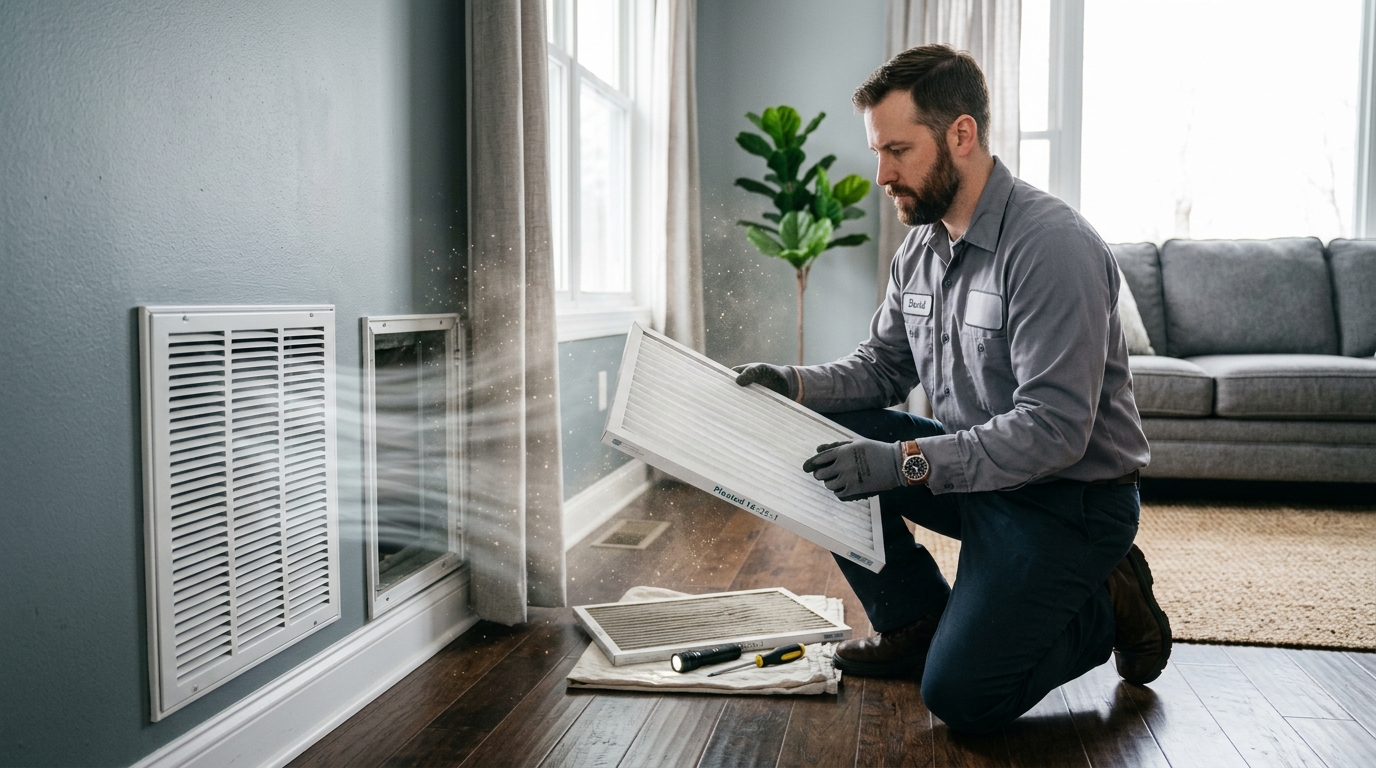
Residential HVAC maintenance has become increasingly important as challenging environmental conditions place greater stress on home comfort systems. Extreme heat, high humidity, and elevated pollen counts can reduce HVAC efficiency, increase energy consumption, and accelerate system wear. Understanding how these factors affect your HVAC system can help homeowners take proactive steps to maintain reliable performance, indoor comfort, and healthier air quality.
The impact of extreme heat is perhaps the most obvious. When outdoor temperatures soar, our HVAC units work overtime to extract heat from our homes. This constant operation not only increases wear and tear but also drives up energy costs. The “heat index,” a measure that combines air temperature and relative humidity, offers a more accurate picture of how hot it feels to the human body and, by extension, how hard our cooling systems must work. A heat index of 91°F (33°C) or higher significantly escalates the risk of heat-related illnesses for individuals, but it also signals a critical threshold for our HVAC systems, pushing them closer to their operational limits.
Humidity, often an overlooked culprit, exacerbates the problem. High moisture levels in the air make it harder for our bodies to cool down through sweat evaporation, leading to an increased perception of heat. For our HVAC systems, this means they must not only cool the air but also actively remove moisture from it, a process that consumes significant energy and places additional strain on components. When humidity is high, the system has to work harder to achieve the same level of comfort, often leading to longer run times and reduced efficiency.
Pollen, the microscopic reproductive dust of plants, introduces another layer of stress. While primarily known for triggering allergic reactions in people, pollen also contributes to the overall particulate load that our HVAC systems must filter out. During seasons with high pollen counts, air filters can become clogged more quickly, restricting airflow and forcing the system to work harder. This combination of stressors — the intense thermal load from heat, the moisture burden from humidity, and the particulate challenge from pollen — creates a formidable opponent for maintaining a comfortable and healthy indoor environment.
The Compounding Toll of Extreme Temperatures and Moisture
The rising global temperatures, a trend that climate scientists indicate will lead to more frequent, intense, and prolonged extreme heat events in the coming decades, place our HVAC systems under unprecedented thermal stress. For every Celsius degree increase in temperature, the risk of premature death from respiratory disease increases, underscoring the broader health implications of these changes. Our cooling systems are designed with specific operating parameters, and when ambient temperatures consistently exceed these, the system’s ability to efficiently transfer heat diminishes. This can lead to what’s known as “short cycling,” where the unit turns on and off frequently without effectively cooling the space, or, conversely, it may run continuously without reaching the thermostat’s set point. Both scenarios are inefficient and detrimental to the system’s longevity.
High humidity further complicates this thermal challenge. Our bodies rely on sweat evaporation to cool down; however, in humid conditions, this process is significantly impaired, making us feel hotter even at the same air temperature. Similarly, an HVAC system’s primary function is to cool the air, but it also plays a crucial role in dehumidification. When the air is heavy with moisture, the system’s evaporator coil must condense more water vapor, which means less of its cooling capacity is available to actually lower the air temperature. This dual demand for cooling and dehumidification can push the system beyond its design limits, leading to higher refrigerant pressures, increased energy consumption, and a greater risk of component failure. The result is often an indoor environment that feels clammy and uncomfortable, despite the thermostat indicating a cool temperature. The inability to effectively remove moisture also creates an environment conducive to mold and mildew growth, further compromising indoor air quality.
Atmospheric Particulates and Airborne Allergens
Beyond temperature and humidity, the air we breathe carries a significant load of atmospheric particulates and airborne allergens, placing another type of stress on our HVAC systems and, critically, on our respiratory health. Pollen, a primary airborne allergen, is a major contributor to this challenge. Plants like ragweed, a common pollen polluter, can produce billions of grains per season, leading to severe fall allergies for many. A 25-year longitudinal study has shown a clear association between increased temperatures and longer pollen seasons, higher peak pollen concentrations, and more severe allergic rhinitis, directly linking climate change to worsening allergy burdens.
Our HVAC systems are equipped with filters to capture these microscopic invaders. However, the sheer volume of pollen and other particulate matter, such as PM2.5 (fine particulate matter that can penetrate deep into the lungs), can quickly overwhelm standard filters. Wildfire-related PM2.5, for example, has been associated with a 23% increase in respiratory complaint-related hospital admissions. When filters become saturated with these particles, airflow is restricted, forcing the blower motor to work harder to circulate air. This increased effort translates to higher energy consumption and accelerated wear on the motor. Moreover, if these particles bypass the filter or accumulate on the evaporator coil, they can reduce the coil’s heat exchange efficiency, further diminishing cooling capacity and increasing operational costs.
The presence of these allergens isn’t just an efficiency problem for the HVAC system; it’s a direct threat to indoor air quality and human health. Increased temperatures spread pollen and mold spores more easily in warmer, humid air, worsening symptoms like nasal congestion, runny nose, sneezing, and itching for those with chronic rhinitis. The system, therefore, becomes a critical line of defense, but only if it’s properly maintained to handle this persistent assault of airborne irritants.
Core Pillars of Effective Residential HVAC Maintenance
In the face of these escalating environmental challenges, proactive and comprehensive residential HVAC maintenance emerges as an indispensable strategy. It’s not merely about fixing problems when they arise; it’s about safeguarding system longevity, optimizing energy efficiency, and ensuring consistent home comfort. Neglecting routine care can lead to a cascade of issues, from unexpected breakdowns during peak demand to significantly higher utility bills and a compromised indoor environment. A well-maintained system operates more quietly, cools more effectively, and lasts longer, while homeowners considering upgrades can also learn how to choose an eco-friendly HVAC system for improved long-term efficiency.
Preventative care involves a series of systematic checks and adjustments, and seasonal furnace and boiler maintenance can help homeowners prepare heating equipment before demanding weather arrives. This includes everything from cleaning coils and checking refrigerant levels to inspecting electrical connections and ensuring proper airflow. The goal is to identify and address minor issues before they escalate into major, costly repairs. Furthermore, regular maintenance ensures that your system is prepared to handle the intense demands of extreme heat and humidity, preventing it from struggling or failing when you need it most.
Optimized airflow is another critical aspect, and understanding how climate can impact heating performance can help homeowners recognize why restricted airflow and system strain deserve attention. When airflow is restricted, whether by a dirty filter or blocked ducts, the system has to work harder, consuming more energy and delivering less comfort. Regular inspections and adjustments ensure that air moves freely throughout your home, contributing to even temperatures and effective filtration of airborne contaminants. Investing in professional maintenance is an investment in your home’s comfort, your family’s health, and your system’s future.
Seasonal Residential HVAC Maintenance for High Humidity and Heat
The specific demands of high humidity and extreme heat necessitate a targeted approach to HVAC maintenance. As we move through the warmer months of 2026, ensuring your system is primed to handle these conditions is crucial. One of the most vital aspects is the cleaning of condenser coils. Located in the outdoor unit, these coils are responsible for releasing heat absorbed from your home into the outside air. Over time, they can become caked with dirt, dust, and even pollen, creating an insulating layer that drastically reduces their heat-shedding efficiency. A dirty coil forces the compressor to work harder, increasing energy consumption and the risk of overheating.
Another critical check involves refrigerant levels. The refrigerant is the lifeblood of your cooling system, absorbing heat from inside and releasing it outside. If refrigerant levels are low, often due to a leak, the system cannot effectively cool your home. This leads to longer run times, reduced cooling capacity, and potential damage to the compressor. A qualified technician will check these levels and, if necessary, identify and repair any leaks before recharging the system.
Electrical components also require careful inspection. Extreme heat can stress wiring and connections, leading to potential shorts or failures. Technicians will ensure all electrical connections are tight and components are functioning safely and efficiently. Finally, assessing the system’s dehumidification capacity is key. In highly humid climates, an HVAC system’s ability to remove moisture is as important as its ability to cool. Ensuring the condensate drain line is clear and functioning properly prevents water backup, which can lead to leaks, mold growth, and reduced dehumidification. For comprehensive care that addresses these and other critical aspects of your home’s climate control, consider consulting expert HVAC services to ensure your system is robustly prepared for the season’s challenges.
Enhancing Filtration and Airflow Through Residential HVAC Maintenance
Effective filtration and optimized airflow are cornerstones of a healthy and efficient HVAC system, especially in environments prone to high pollen counts and atmospheric particulates. The air filter is your first line of defense against pollen, dust, pet dander, and other airborne contaminants. Regular filter replacement is non-negotiable. During peak pollen season, which climate change is extending and intensifying, filters may need to be replaced more frequently than the standard monthly recommendation, sometimes every two to four weeks. The MERV (Minimum Efficiency Reporting Value) rating of your filter is also important; higher MERV ratings capture smaller particles, offering superior air quality, but it’s crucial to ensure your system can handle the increased airflow resistance of a higher-rated filter.
Beyond the filter, the blower motor plays a pivotal role in circulating air throughout your home. A well-maintained blower motor ensures consistent and powerful airflow, which is essential for both cooling efficiency and effective filtration. Routine maintenance includes checking the motor for proper operation, cleaning its components, and ensuring it’s not drawing excessive power.
Ductwork, often out of sight and out of mind, is another critical component affecting airflow, particularly in central ducted HVAC systems where proper air distribution supports consistent comfort. Leaks, obstructions, or improper insulation in ducts can lead to significant energy loss and uneven cooling. A professional inspection can identify these issues, allowing for sealing of leaks and removal of obstructions, which in turn improves airflow, reduces energy waste, and prevents contaminants from entering the air stream. Maintaining proper static pressure within the duct system ensures that air is distributed efficiently and effectively throughout your home, minimizing strain on the blower and maximizing comfort. By focusing on these elements of filtration and airflow, we can significantly reduce the burden on our HVAC systems and create a healthier indoor environment.
Protecting Indoor Air Quality and Respiratory Wellness
The continuous assault of extreme heat, humidity, and pollen doesn’t just stress our HVAC systems; it directly impacts our indoor air quality and, consequently, our respiratory wellness. For many, the home is meant to be a sanctuary from environmental stressors, offering sinus relief and protection from allergens. However, without proper HVAC maintenance and strategic indoor air management, our homes can become repositories for the very irritants we seek to avoid. The goal is to create an indoor environment that actively mitigates the effects of these external pressures, safeguarding sensitive individuals from discomfort and health complications.
Understanding the specific rhinitis triggers present in our environment is the first step. Increased temperatures and humidity can spread pollen and mold spores more easily, exacerbating symptoms like nasal congestion, runny nose, sneezing, and itching. Climate change’s influence on rainfall patterns, warmer air temperatures, and increased carbon dioxide levels are affecting the start, end, and length of pollen seasons, as well as the amount of pollen plants produce. This means that what was once a seasonal nuisance is becoming a more prolonged and intense challenge. Maintaining balanced indoor conditions is essential for comfort, and homeowners can also review ways to keep the home comfortable during the coldest months when preparing their heating and indoor environment.
Managing Indoor Humidity to Prevent Mold and Dust Mite Proliferation
One of the most critical aspects of protecting indoor air quality, particularly in humid climates, is effective management of relative humidity. High indoor humidity, generally above 60%, creates an ideal breeding ground for common household allergens and irritants such as mold, mildew, and dust mites. These microscopic organisms thrive in moist environments, and their presence can significantly worsen respiratory conditions like asthma and allergic rhinitis. Mold spores, for instance, are potent allergens that can trigger a range of symptoms, from nasal congestion to more severe respiratory distress.
Our HVAC systems play a vital role in moisture control by actively dehumidifying the air as it cools. However, if the system is improperly sized, poorly maintained, or struggling against extreme outdoor humidity, it may not be able to adequately lower indoor relative humidity. This is where supplementary solutions, such as whole-home dehumidifiers, can become invaluable. These dedicated units work independently or in conjunction with your HVAC system to maintain optimal indoor humidity levels, typically between 30% and 50%.
Regular maintenance also includes ensuring that condensate drains are clear and free of blockages. The condensate drain is responsible for carrying away the water extracted from the air by the evaporator coil. If this drain becomes clogged, water can back up into the system, potentially leading to leaks, water damage, and the perfect conditions for microbial growth within the HVAC unit itself, which can then be distributed throughout your home. By diligently managing indoor humidity, we can significantly reduce the proliferation of mold and dust mites, creating a healthier and more comfortable living space.
Safeguarding Sensitive Individuals From Pollen Intrusion
For individuals prone to seasonal allergies or asthma, the intrusion of pollen into the home can turn a comfortable living space into a source of chronic discomfort. Climate change is intensifying this challenge, with a 25-year longitudinal study revealing a significant association between increased temperatures and longer pollen seasons, increased peak pollen duration, and more severe seasonal allergic rhinitis. This means that for many, what was once a short-lived seasonal issue is becoming a more persistent and severe problem.
To safeguard sensitive individuals, a multi-pronged approach is necessary, with the HVAC system at its core. Upgrading to higher MERV-rated filters (e.g., MERV 11-13) can significantly improve the capture rate of microscopic pollen grains and other fine particulate matter. While these filters offer superior air cleaning, ensure your specific HVAC system can handle the increased airflow resistance without undue strain. Regular replacement of these filters, especially during peak pollen seasons, is critical to maintain their efficacy.
Beyond filtration, improving the air sealing of your home can dramatically reduce pollen intrusion. Cracks around windows, doors, and other penetrations can allow outdoor air, laden with pollen, to seep into your living space. Sealing these gaps helps create a tighter building envelope, keeping outdoor allergens where they belong. While ventilation is important for overall indoor air quality, during periods of high outdoor pollen, it’s often advisable to minimize opening windows and rely on your HVAC system’s filtered air. For those with severe allergies, specialized solutions like HEPA (High-Efficiency Particulate Air) filtration systems, either as standalone units or integrated into the HVAC system, can provide an even higher level of air purification, capturing up to 99.97% of particles 0.3 microns in size. By implementing these strategies, we can create a much safer haven for those most vulnerable to airborne allergens.
Frequently Asked Questions About HVAC Performance and Seasonal Stress
Understanding how extreme environmental conditions impact your HVAC system often leads to practical questions about maintenance and operation. Here, we address some common inquiries to help you better manage your home comfort.
How often should air filters be replaced during peak pollen season?
During peak pollen season, which can be extended and intensified by warmer temperatures, the frequency of air filter replacement often needs to increase. While a general recommendation is every 1-3 months, for homes with allergy sufferers, pets, or during periods of very high pollen density, checking and potentially replacing your filter every 2-4 weeks is advisable. Visually inspecting the filter is the best guide: if it appears dirty or clogged, it’s time for a change. Using a higher MERV-rated filter (e.g., MERV 11-13) can capture more pollen and fine particulates, but these may also require more frequent checks due to faster accumulation of debris.
What is the ideal indoor humidity level during extreme summer heat?
During extreme summer heat, the ideal indoor relative humidity level is typically between 30% and 50%. Maintaining humidity within this range is crucial for both comfort and health. Levels above 60% can make the air feel muggy and promote the growth of mold, mildew, and dust mites, exacerbating respiratory issues. Conversely, humidity levels below 30% can lead to dry skin, irritated respiratory passages, and static electricity. Your HVAC system plays a primary role in dehumidification, but in very humid climates, a whole-home dehumidifier may be necessary to consistently achieve and maintain these optimal levels.
What signs indicate that an HVAC system is struggling under extreme weather?
Several signs can indicate that your HVAC system is struggling to cope with extreme heat and humidity. One common indicator is “short cycling,” where the unit turns on and off frequently without adequately cooling your home. Uneven cooling, with some rooms feeling much warmer than others, is another red flag. Elevated indoor humidity, even when the air conditioner is running, suggests the system isn’t effectively removing moisture. Perhaps the most noticeable sign for your wallet is a sudden and significant increase in your utility bills, indicating that the system is working harder than usual to achieve the desired comfort. Other signs include unusual noises, reduced airflow from vents, or the system running continuously without reaching the set temperature. Addressing these signs promptly can help prevent more serious problems, while understanding when to call for emergency HVAC services can help homeowners respond appropriately when system failures become urgent.
Conclusion
As we look towards the future in September 2026, the reality of more frequent and intense extreme heat, coupled with persistent humidity and extended pollen seasons, underscores the critical importance of a robust and well-maintained HVAC system. These environmental stressors do not merely represent discomfort; they actively challenge the efficiency, longevity, and performance of our home comfort systems, while simultaneously impacting our indoor air quality and respiratory health.
By understanding how heat, humidity, and pollen stress your system, we can take proactive steps to mitigate their effects. Regular, professional preventative maintenance is not just a recommendation; it’s an essential investment in your home’s infrastructure and your family’s well-being. From ensuring clean condenser coils and optimal refrigerant levels to enhancing filtration and managing indoor humidity, each maintenance step contributes to a more resilient, efficient, and healthy indoor environment.
Prioritizing routine HVAC care translates into consistent indoor comfort, vital respiratory protection, and significant long-term savings through improved system reliability and reduced energy consumption. In an era where environmental challenges are intensifying, a well-maintained HVAC system is your most valuable ally in creating a true sanctuary within your home.

