
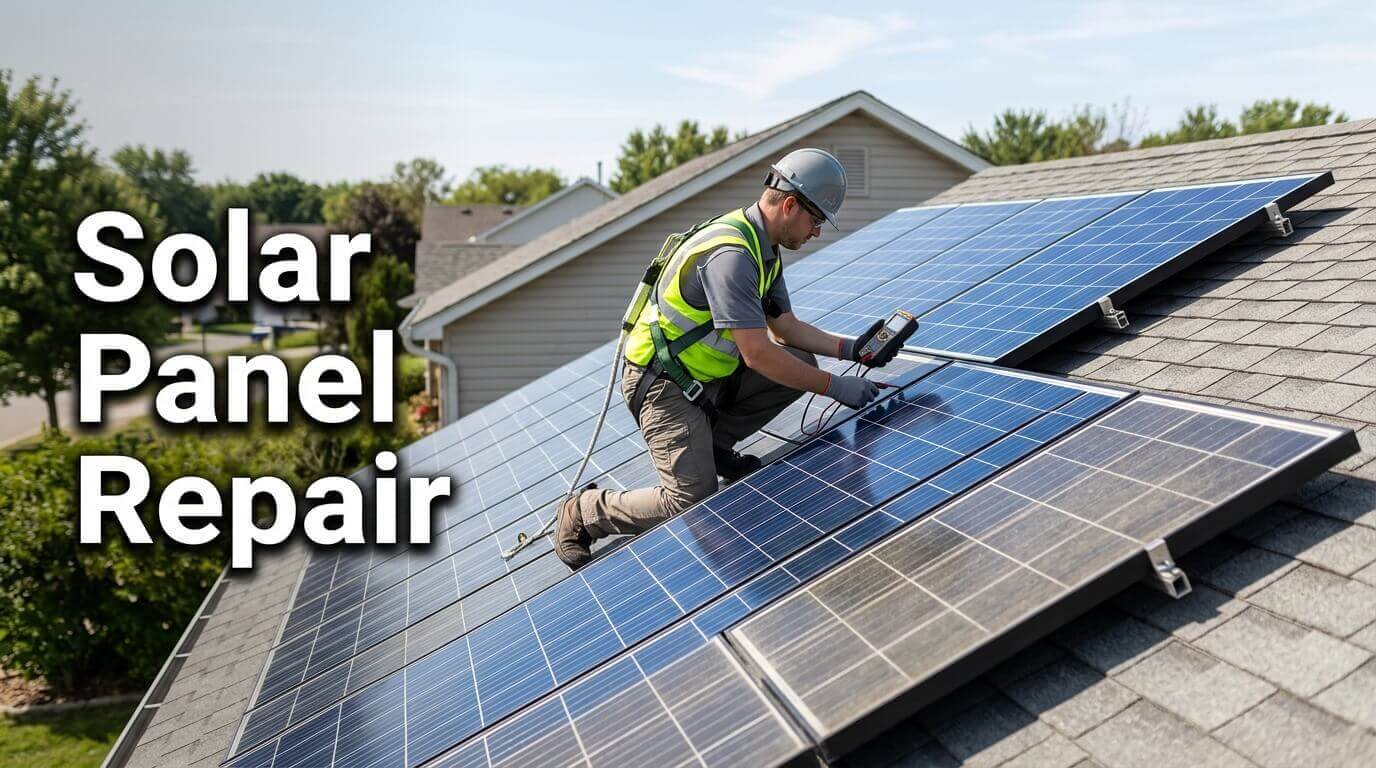
Solar panel maintenance and repair can help homeowners identify performance problems, protect electrical equipment, and avoid unnecessary replacement costs. Although solar panels generally require less routine attention than many household systems, the inverter, wiring, mounting hardware, and monitoring equipment still need occasional checks.
A drop in electricity production does not automatically mean a panel has failed. Dust, tree shade, inverter faults, damaged connections, and monitoring interruptions can all produce similar symptoms. Understanding the difference helps you decide what to check yourself, when to arrange professional service, and whether a repair may qualify for warranty coverage.
This guide explains how to recognize common problems, maintain your system safely, compare repair options, and prepare for a service appointment.
What Does Solar Panel Maintenance and Repair Include?
Solar maintenance involves preventive checks intended to keep a system operating safely and performing as expected. Repair focuses on diagnosing and correcting a specific fault, such as a failed inverter, damaged module, defective connector, or electrical problem.
A complete inspection may cover several components, not just the panels on the roof.
Routine maintenance does not mean every component needs to be dismantled or tested during every visit. The appropriate checks depend on the equipment, its age, the installation conditions, and any warning signs. The maintenance guidance provides a useful reference for preventive maintenance and system performance monitoring.
Common Solar Panel Problems and Their Warning Signs
A solar system may continue producing some electricity even when a component is not working correctly. Looking at production trends alongside visible symptoms is more useful than assuming that every decline requires panel replacement.
1. Lower-than-normal electricity production
If production falls compared with similar sunny days or the system’s usual seasonal pattern, check for newly developed shade, accumulated dirt, or changes in inverter status. Cloud cover, shorter winter days, and high panel temperatures can also affect output, so a single low-production day is not enough to establish a fault.
Start by comparing daily and monthly production with previous periods. If the decline persists under comparable weather conditions, arrange a diagnostic inspection.
2. Inverter warnings or shutdowns
The inverter converts the direct-current electricity produced by solar panels into alternating current used by household circuits. A warning light, error code, repeated shutdown, or blank display may indicate an equipment fault, grid condition, or communication problem.
Record the displayed error and check the manufacturer’s instructions. Do not open the inverter or repeatedly reset protective devices to force the system back online.
3. Cracked or discolored panels
Cracks, unusual discoloration, damaged glass, or visible moisture inside a module can indicate physical damage. Some defects are difficult to assess from ground level, and a panel may appear intact while still experiencing an electrical problem.
Avoid touching damaged panels or attempting to seal cracks yourself. Keep people away from the affected area if there is broken glass or exposed wiring, and arrange an inspection.
4. Roof leaks or loose mounting hardware
Water stains in the attic or ceiling near a solar installation may indicate a problem with roof flashing or another part of the roof assembly. Loose rails, corrosion, or displaced panels also require attention, particularly after severe weather.
A roofer may need to assess the roof while a qualified solar technician checks the mounting system and electrical equipment. Repairing the visible ceiling stain without identifying the source will not solve the underlying problem.
How to Troubleshoot a Solar System Safely
Homeowners can carry out basic observations without handling electrical components or climbing onto a roof. The goal is to collect useful information, not to repair a potentially dangerous fault without the proper training.
Follow these steps before arranging service:
- Review production history. Check daily and monthly electricity generation and compare similar periods. Consider weather, season, and any recent changes in tree shade.
- Check the monitoring connection. If the application has stopped updating, confirm whether the internet connection or monitoring gateway is offline. A missing data feed does not necessarily mean the panels have stopped generating electricity.
- Read any inverter warning. Record the error message or indicator and consult the equipment manual. Follow only the external checks and operating instructions approved by the manufacturer.
- Look for visible changes from the ground. Use a safe viewing position to check for obvious debris, storm damage, displaced panels, or newly grown branches. Do not climb onto the roof or touch wiring to investigate.
- Arrange professional diagnosis if the issue persists. Provide production records, photographs taken from a safe position, the inverter error code, and the approximate date the problem began.
Safety warning: Never remove electrical covers, disconnect solar cables, test live connectors, or work on rooftop equipment during wet or windy conditions. Solar modules can generate electricity whenever light reaches them, and switching off part of the system does not necessarily make every component safe to touch.
How to Clean Solar Panels Without Damaging Them
Cleaning may help when dirt, pollen, bird droppings, or other deposits are blocking sunlight. However, cleaning frequency should depend on local conditions rather than a fixed schedule that applies to every home.
Rain may remove some loose dust, but it will not always clear sticky residue or deposits that accumulate in dry weather. If your monitoring records suggest a persistent decline and the panels appear dirty, cleaning may be worth considering before assuming a component has failed.
A safe cleaning approach
- Check the manufacturer’s cleaning instructions and warranty terms before starting.
- Choose a cool time of day when the panels are not hot from direct sunlight.
- Use an appropriate soft cleaning tool and water, following the manufacturer’s recommendations.
- Avoid abrasive brushes, harsh chemicals, and high-pressure washing unless the equipment manufacturer specifically permits the method.
- Never walk on solar modules or lean equipment against them.
- If the roof is steep, slippery, difficult to access, or too high to reach safely, arrange professional cleaning.
Cleaning cannot repair cracked cells, failed inverters, defective wiring, or damaged electrical connections. If production remains unusually low after visible soiling has been addressed, investigate other possible causes rather than repeating cleaning unnecessarily.
When Should You Call a Solar Repair Professional?
Professional service is appropriate when a problem involves electrical components, damaged equipment, roof access, or a persistent decline that basic checks cannot explain. A qualified technician can test the system, identify the faulty component, and determine whether repair or replacement is appropriate.
If there is smoke or an active fire, move away from the affected area and contact emergency services. Do not approach the equipment to switch it off. For less urgent issues, a qualified provider offering Solar Service and Repair can be one option to review when researching available service arrangements.
When choosing a technician, check relevant licensing requirements in your area, experience with the installed equipment, insurance, and the written scope of work. Requirements vary by jurisdiction, so verify local rules rather than assuming one credential applies everywhere.
How Much Does Solar Panel Maintenance and Repair Cost?
There is no single price for solar repair that applies to every home. The total depends on the fault, the system’s size and design, the equipment required, roof accessibility, replacement parts, and whether the work is covered by a warranty or service agreement.
A cleaning visit may be relatively straightforward, while diagnosing an intermittent electrical fault can require more time and specialized testing. Replacing an inverter or repairing roof damage can involve additional labor and coordination.
Instead of relying on a generic price estimate, request a written quotation that separates the following costs:
- Inspection or diagnostic fees
- Labor and roof-access equipment
- Replacement parts and compatibility checks
- Repairs to wiring, mounting hardware, or roof flashing
- Monitoring restoration and post-repair testing
- Applicable taxes, disposal charges, and follow-up visits
Ask whether the diagnostic fee will be credited toward the completed repair and whether a second visit will cost extra if replacement parts are needed. These details make quotations easier to compare and reduce the risk of unexpected charges.
Repair or replace: which makes more sense?
Repair is often worth investigating when a single component has failed and the rest of the system remains in good condition. Replacement may deserve consideration when equipment is obsolete, faults recur, parts are difficult to obtain, or the cost of restoring reliable operation approaches the cost of a suitable alternative.
Before approving a major replacement, ask the technician to explain the diagnosis and provide evidence for the recommendation. If the cause is uncertain or the estimate is substantial, a second opinion can help you avoid replacing functioning equipment unnecessarily.
Solar Panel Warranties and Service Agreements
A warranty can reduce repair expenses, but coverage depends on the equipment, contract, cause of failure, and conditions specified in the documents. A manufacturer’s product warranty may cover a defective component without paying for all the labor, transport, roof access, or diagnostic work needed to replace it.
Installation workmanship coverage is separate from the manufacturer’s equipment warranty. A service agreement may offer scheduled inspections or repair support, but the scope, exclusions, and response times can vary considerably.
Before paying for a repair, review these items:
- Equipment warranty: Identify the exact panel, inverter, battery, or other component covered.
- Workmanship coverage: Check whether installation defects and roof penetrations are included.
- Labor and access: Confirm whether technician time, scaffolding, and roof access are covered.
- Exclusions: Look for restrictions involving storm damage, unauthorized modifications, or improper maintenance.
- Claim requirements: Find out which documents, photographs, tests, and approvals are necessary.
Keep the original purchase documents, system specifications, installation records, service reports, and production history together. Warranty guidance explains why written coverage, exclusions, labor terms, and proof of purchase matter when making a claim.
If the original installer has closed, the equipment manufacturer or another qualified service provider may still be able to help. Check the warranty directly rather than assuming the installer’s closure automatically cancels all equipment coverage.
How to Prevent Recurring Solar System Problems
Preventive maintenance is most useful when it creates a reliable record of system performance and helps identify problems before they become more serious. You do not necessarily need frequent paid inspections if the system is operating normally, but you should have a clear process for reviewing alerts and arranging help when needed.
Use this practical checklist to keep routine tasks organized.
Avoid treating this schedule as a universal technical requirement. Manufacturer instructions, local environmental conditions, system design, and warranty terms should determine the actual maintenance plan.
For additional context on household electricity and equipment safety, see this guide to calculating watts and volts for home appliances. Homeowners planning broader energy-efficiency improvements may also find HVAC maintenance and system efficiency useful when reviewing other sources of household energy consumption.
Frequently Asked Questions
How often should solar panels be inspected?
There is no single inspection interval suitable for every installation. Review production data regularly, follow the manufacturer’s maintenance recommendations, and arrange an inspection when alerts, visible damage, or unexplained performance changes indicate a problem.
Can dirty solar panels cause a drop in electricity production?
Yes. Dust, pollen, bird droppings, and other deposits can reduce the sunlight reaching the cells. The actual effect depends on the amount and type of soiling, weather conditions, and the panel installation, so cleaning does not guarantee a particular increase in output.
Can I repair solar panels myself?
Homeowners can review monitoring data, record error messages, and inspect the system visually from a safe location. Electrical repairs, damaged wiring, rooftop work, and internal inverter servicing should be left to appropriately qualified professionals.
Why is my solar inverter working but producing little electricity?
Possible causes include heavy cloud cover, shading, dirty panels, a faulty connection, an inverter limitation, or a problem with one part of the array. Compare production under similar conditions and have a technician investigate a persistent decline rather than assuming the inverter itself has failed.
Does homeowners insurance cover solar panel damage?
Coverage depends on the policy, the cause of damage, exclusions, and how the panels are insured. Review your policy and contact your insurer before authorizing major work if you suspect that storm damage or another insured event caused the problem.
Are solar panel repairs covered by a manufacturer’s warranty?
Some repairs are covered when an eligible component fails under the warranty’s terms. Labor, transportation, roof access, accidental damage, and other costs may be excluded, so confirm the specific coverage before approving work.
How do I know whether my solar panels need replacement?
Replacement may be appropriate when panels have serious damage, persistent faults, or declining performance that cannot be economically restored. A professional assessment should distinguish panel failure from problems involving the inverter, wiring, shading, or monitoring equipment.
Should I replace an inverter if it repeatedly shuts down?
Not necessarily. Repeated shutdowns can result from equipment faults, electrical conditions, overheating, or protective functions responding to an underlying problem. A technician should identify the cause before recommending replacement.
Conclusion
Solar panel maintenance and repair begin with understanding how your system normally performs and recognizing when something changes. Regular monitoring, sensible cleaning, safe visual checks, and organized warranty records can help you identify problems without paying for unnecessary work.
When production drops unexpectedly, an inverter repeatedly shuts down, or you notice physical damage, arrange a suitable inspection instead of attempting electrical repairs yourself. Start by reviewing your monitoring history and warranty documents, then obtain a written diagnosis and compare repair options before committing to major expenses.

