
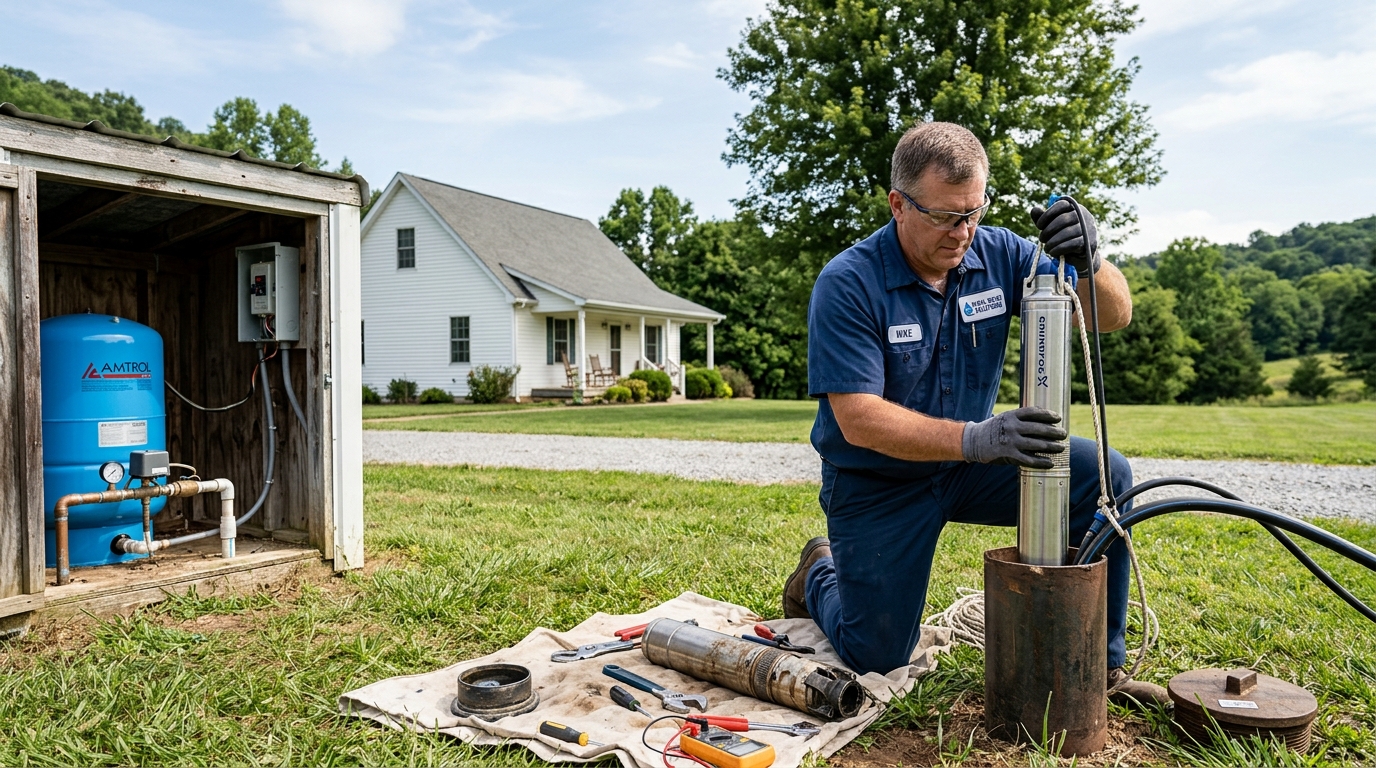
Imagine waking up to no running water. For homes relying on a private well, a failing well pump is more than an inconvenience. It’s a sudden disruption to daily life. Understanding the real cost of replacing this vital piece of equipment is crucial for every well owner. As of August 2026, many factors shape the final price tag for restoring your water supply.
This comprehensive guide is here to help. We will walk you through the typical price ranges for well pump replacement in your area. We will explain how different pump types, like submersible or jet pumps, affect the cost. You’ll also learn about other key factors. These include well depth, labor rates, and additional materials.
Our aim is to give you a clear picture of what to expect. This way, you can budget wisely and make informed decisions. We want to ensure you get an Ethical well pump replacement cost that brings lasting water security.
Understanding the financial outlay for a well pump replacement involves looking at several components that contribute to the final bill. While national averages provide a general benchmark, the actual cost can fluctuate significantly based on your specific circumstances, geographical location, and the type of system required. Generally, homeowners typically budget within a broad range for this essential service, reflecting the diversity in well systems and installation complexities across the country.
The overall pricing structure for a well pump replacement typically encompasses three main areas: equipment costs, labor expenses, and sometimes additional fees like permits or specialized materials. Equipment costs refer to the pump itself, alongside any necessary accessories. Labor expenses cover the time and expertise of the professionals performing the diagnosis, removal of the old pump, and installation of the new one. Permit fees, though often a smaller portion, are crucial for ensuring the work complies with local regulations and safety standards.
To provide a clearer perspective, we’ve outlined how different pump types generally compare in terms of their contribution to the overall replacement cost.
Pump Type Typical Cost Impact (Equipment & Installation) Key Characteristics Hand Well Pump More Affordable Manual operation, ideal for emergency backup or low-demand uses, simple installation. Shallow Well Jet Pump Mid-Range Above-ground, for wells less than 25 feet deep, uses suction, often paired with a pressure tank. Deep Well Jet Pump Mid-Range to Higher Above-ground, for wells up to 400 feet deep, uses an ejector assembly in the well, more complex than shallow jet. Submersible Well Pump Mid-Range to Higher Installed directly inside the well, pushes water up, suitable for deep wells (up to 300+ feet), quieter operation. Constant-Pressure Pump Premium Advanced submersible pump with variable speed drive, maintains consistent water pressure regardless of demand, higher upfront cost but enhanced comfort. Solar Well Pump Premium Utilizes solar panels for power, ideal for off-grid or remote locations, can significantly reduce electricity bills, often combined with battery storage or grid power. Windmill Pump Very High-End Mechanical system powered by wind, robust and reliable for off-grid water, significant initial investment and installation complexity, often seen as a long-term, sustainable solution.
Submersible and Jet Pump Pricing
When considering well pump replacement, two of the most common types encountered are submersible and jet pumps. Each has distinct characteristics that influence its overall cost and suitability for different well depths.
Submersible pumps, as their name suggests, are designed to operate entirely submerged within the well water. This placement means they push water upwards, which is generally more efficient for deeper wells, often those extending beyond 25 feet. Their design also makes them notably quieter since the pump’s motor is underwater. The cost associated with submersible pumps can vary based on factors like the well’s depth, the pump’s horsepower (HP), and its flow rate. A pump with higher horsepower and capacity, necessary for very deep wells or homes with high water demand, will naturally contribute more to the overall equipment cost. Installation for submersible pumps can be more labor-intensive due to the need to lower and retrieve the unit from the well, sometimes requiring specialized equipment.
Jet pumps, on the other hand, are installed above ground, typically in a pump house or basement. They operate by creating a vacuum to pull water from the well. These are further categorized into shallow well jet pumps and deep well jet pumps. Shallow well jet pumps are generally suitable for wells less than 25 feet deep, often found in areas with a high water table. They are relatively straightforward to install and tend to be on the more affordable side. Deep well jet pumps can draw water from depths greater than 25 feet, sometimes up to 400 feet, by using an ejector assembly placed inside the well. While the pump motor remains above ground, the in-well components add to the complexity and cost compared to shallow jet systems. The horsepower of a jet pump, like a submersible, directly impacts its capacity and, consequently, its price. Motor costs are a significant component of both submersible and jet pump systems, and a failing motor is a common reason for replacement.
Alternative and Off-Grid Systems
Beyond the conventional submersible and jet pumps, several alternative and off-grid well pump systems offer specialized solutions, each with its own cost implications. These options cater to specific needs, from consistent water pressure to complete energy independence.
Constant-pressure systems represent a significant upgrade in water delivery. These systems, often built around a variable speed submersible pump, adjust their motor speed to match water demand, ensuring a consistent pressure throughout your home regardless of how many fixtures are in use. This eliminates the pressure fluctuations common with traditional systems. While the initial investment for constant-pressure systems is typically higher than standard pumps, many homeowners find the enhanced comfort and efficiency to be a worthwhile long-term benefit.
Solar pumps are an increasingly popular choice, particularly for remote properties or those seeking to reduce their carbon footprint and electricity bills. These systems harness the sun’s energy to power the pump, often incorporating battery storage for nighttime use or cloudy days. Some advanced solar setups can even integrate with the grid, providing a hybrid solution. The cost of a solar pump system is influenced by the size of the solar array needed, battery capacity, and the depth of the well. While the upfront expense can be substantial, the long-term savings on electricity can be considerable.
Windmill pumps, while perhaps sounding like something from a bygone era, offer a robust and reliable solution for off-grid water supply. These mechanical systems use wind power to pump water, making them entirely independent of electricity. Their installation is complex and requires a significant initial investment, often placing them at the higher end of the cost spectrum for well pump systems. However, for those committed to complete self-sufficiency or in areas with consistent wind, a windmill pump can provide a durable and sustainable water source for decades with minimal operating costs.
Lastly, hand pumps offer a simple, cost-effective, and reliable solution, primarily for emergency backup or low-volume, non-essential water needs. They are manually operated and require no electricity, making them invaluable during power outages. While their pumping capacity is limited, their affordability and ease of installation make them an excellent supplementary option for ensuring water access when other systems fail.
Key Factors Influencing Ethical Well Pump Replacement Cost
The journey to an ethical well pump replacement cost involves understanding a myriad of factors that go beyond just the pump’s price tag. From the physical characteristics of your well to the expertise of the professionals you hire, each element plays a role in shaping the final investment. We believe in transparent pricing and helping you identify where your money is going to ensure you receive fair value.
One of the primary determinants is well depth. A deeper well requires a more powerful pump to lift water against gravity, which typically means a higher equipment cost. Furthermore, the installation process for a deep well pump is often more complex and time-consuming, necessitating more specialized equipment and labor. This directly impacts the overall labor component of the project.
Pipework is another significant consideration. The condition of existing pipes, the material they are made from, and the length required to connect the pump to your home’s water system can all add to the cost. If old pipes are corroded, leaking, or too small, they may need to be replaced, incurring additional material and labor expenses. Similarly, the electrical wiring connected to your pump must be up to code and robust enough to handle the new pump’s power requirements. Upgrading wiring or addressing any electrical deficiencies will contribute to the total cost.
Site accessibility can also influence labor costs. If your well is in a difficult-to-reach location, such as a densely wooded area, a steep incline, or requires heavy equipment to navigate tight spaces, contractors may charge more for the additional time and effort involved. Finally, contractor rates themselves vary based on their experience, reputation, and the region in which they operate. Established professionals with specialized expertise in well systems may have higher hourly rates, but their quality of work and warranty often provide greater peace of mind and long-term savings.
Understanding these variables is key to ensuring you receive an Ethical well pump replacement cost that is both fair and transparent.
Pressure Tank Condition and System Accessories
Beyond the pump itself, the condition of your pressure tank and other system accessories can significantly influence the overall cost of a well pump replacement. These components work in conjunction with your pump to deliver water efficiently and reliably, and their state of repair should always be assessed during a pump replacement.
The pressure tank is a critical part of your well system, designed to store water under pressure and prevent your pump from cycling on and off too frequently. This “short-cycling” can prematurely wear out a new pump. If your existing pressure tank is old, corroded, waterlogged, or undersized for your household’s needs, replacing it simultaneously with the pump is often a wise decision. While this adds to the immediate expense, it ensures optimal performance and extends the lifespan of your new pump, preventing future headaches and costs.
Other accessories that might need attention include check valves, which prevent water from flowing back into the well, and pressure switches, which regulate when the pump turns on and off. A faulty check valve can cause the pump to lose prime or work harder than necessary, while a malfunctioning pressure switch can lead to inconsistent water pressure or continuous pump operation. Replacing these smaller, yet vital, components during a pump installation is a common practice to ensure the entire system functions cohesively and efficiently.
Furthermore, consider the addition of sediment filters or other water treatment components. While not directly part of the pumping mechanism, excessive sediment can cause premature wear on a pump. Installing or upgrading filtration can protect your new investment and improve water quality, though it will contribute to the total project cost. Addressing these system accessories proactively can prevent future issues and ensure the longevity and efficiency of your entire well water supply.
Geographic and Regional Labor Differences
The cost of labor for well pump replacement can vary considerably depending on your geographic location and specific regional factors. Just as housing prices and the cost of living differ across the country, so too do the hourly rates for skilled tradespeople, including well pump technicians.
In densely populated urban areas, where the cost of doing business is generally higher, you might find that hourly rates for well pump technicians are elevated compared to more rural or suburban regions. This difference often reflects higher overheads, such as rent, insurance, and local licensing fees that contractors face. Conversely, in very remote rural areas, while the standard hourly rate might be lower, contractors may charge travel charges or mileage fees to cover the increased time and fuel required to reach your property.
Regional pricing can also be influenced by the demand for services and the availability of qualified professionals. In areas with fewer well service companies, or during peak seasons, demand can drive up costs. For instance, some states or regions may have higher average costs for well pump replacement due to specific geological conditions that make installations more challenging, or simply a higher prevailing wage for skilled labor. For example, some data suggests that average well pump replacement costs in states like Oregon can be significantly higher than the national average, illustrating these regional disparities.
Moreover, if your well pump fails unexpectedly and requires immediate attention, emergency fees for after-hours or weekend service can add a substantial premium to the labor component. Planning for replacement, if possible, can help avoid these additional costs. When seeking quotes, it’s always beneficial to obtain estimates from several local contractors to understand the typical range for your specific area and ensure you’re getting a competitive and fair price.
Warning Signs Your Well Pump Needs Immediate Replacement
Recognizing the early warning signs of a failing well pump can save you from a complete loss of water and potentially prevent more extensive damage to your well system. Being proactive can also help you plan for replacement, allowing you to seek competitive quotes and avoid emergency service premiums.
One of the most common indicators is sputtering faucets or air coming out of your taps. This can signal that your pump is struggling to draw water, possibly due to a low water level in the well, a leak in the suction line, or the pump itself losing prime. Closely related is low or inconsistent water pressure, which suggests the pump isn’t delivering water effectively to your home. If your shower suddenly loses pressure or appliances take longer to fill, your pump might be nearing the end of its life.
Discolored water, particularly if it’s muddy or sandy, can also point to a pump issue. This often happens if the pump is drawing water from the bottom of the well, indicating it might be improperly sized, positioned, or that the well itself has accumulated excessive sediment. Another clear sign is if your pump is running continuously or cycling on and off too frequently. A constantly running pump indicates it’s struggling to build or maintain pressure, often due to a leak in the system, a faulty pressure tank, or a severely worn-out pump motor. This will also lead to noticeably higher electricity bills as the pump works overtime.
Finally, unusual loud noises coming from the pump or the pressure tank area, such as grinding, clanging, or excessive humming, are clear red flags. These sounds often signify mechanical wear and tear, indicating that internal components are failing. If you notice any of these symptoms, it’s advisable to have your well system inspected by a professional promptly to diagnose the issue and determine if replacement is necessary.
Repair vs Replacement: Assessing Ethical Well Pump Replacement Cost
Deciding whether to repair or replace a well pump is a common dilemma for homeowners, and it’s a decision that balances immediate cost savings against long-term reliability and value. An ethical approach to this choice involves carefully assessing several factors to determine the most prudent course of action.
The pump’s age is often the first consideration. Well pumps typically have a lifespan of 8 to 15 years, depending on factors like usage, water quality, and maintenance. If your pump is nearing or has exceeded this average lifespan, even a seemingly minor repair might be a temporary fix for an aging system that is likely to experience other failures soon. In such cases, a full replacement often offers better long-term value, as a new pump comes with a fresh warranty and the expectation of many years of trouble-free operation.
The nature of the problem also plays a crucial role. A simple issue like a faulty pressure switch or a minor electrical connection might be a straightforward and relatively inexpensive repair. However, if the problem involves the motor burnout, internal mechanical failure, or significant corrosion, the cost of parts and labor for repair can quickly approach, or even exceed, the cost of a new pump. In some instances, particularly with older jet pumps, replacing the motor can be almost as expensive as purchasing an entirely new unit.
Considering the duty cycle—how often and how long your pump runs—is also important. A pump that has been heavily used, perhaps due to high water demand or a continuously running system caused by a leak, may be more prone to multiple failures. For these pumps, the repair thresholds might be lower, making replacement the more sensible choice.
The goal is to assess the ethical well pump replacement cost not just in terms of the immediate transaction, but in its ability to provide reliable water service for years to come. A professional evaluation can help you weigh the cost of repair against the benefits of a new, more efficient pump, ensuring you make an informed decision that prioritizes system longevity and your peace of mind.
How to Evaluate Quotes for an Ethical Well Pump Replacement Cost
When faced with the need for a well pump replacement, obtaining and evaluating multiple quotes is a critical step in ensuring you receive an ethical and fair price. This process allows you to compare services, understand what you’re paying for, and select a contractor who instills confidence.
First and foremost, always insist on itemized estimates. A reputable contractor will provide a detailed breakdown of costs, separating materials (the pump itself, piping, wiring, pressure tank, etc.) from labor charges. This transparency helps you understand where your money is going and allows you to compare the cost of specific components across different quotes. Be wary of quotes that simply offer a single, lump-sum figure without any detail, as these can obscure potential markups or hidden fees.
Next, carefully review the warranty terms. A new well pump should come with a manufacturer’s warranty, and the installation work itself should also be guaranteed by the contractor. Understand the duration and coverage of both. A strong warranty provides peace of mind and protection against premature failure or installation defects. Clarify what situations void the warranty, such as attempting DIY repairs or using non-approved parts.
Always verify that the contractors you are considering are licensed and insured. This protects you from liability in case of accidents or substandard work. Licensing ensures they meet professional standards, while insurance covers potential damages or injuries that could occur during the project. Don’t hesitate to ask for proof of both.
Finally, engage in a dialogue with potential contractors to ensure transparent pricing. Ask questions about anything unclear in the quote. Inquire about potential hidden fees, such as disposal costs for the old pump, travel charges (especially if you’re in a remote area), or emergency service premiums if the job is urgent. A contractor who is open and willing to explain all aspects of their pricing is likely one who operates with integrity and aims to provide an ethical well pump replacement cost. By taking these steps, you empower yourself to make an informed decision and secure reliable water service.
Frequently Asked Questions About Local Well Pump Replacement
Homeowners often have many questions when their well pump needs attention. We’ve gathered some of the most common inquiries to help you better understand the process and prepare for a potential replacement.
How long does a typical well pump last?
The lifespan of a well pump can vary significantly, but generally, a typical well pump lasts between 8 and 15 years. Several factors influence this duration. The duty cycle, or how often and how long the pump runs, plays a major role; a pump that cycles frequently due to high water demand or a faulty pressure tank will wear out faster. Annual maintenance is crucial for extending pump life, as regular inspections can catch minor issues before they become major failures. The quality of your water sediment also impacts longevity; abrasive particles can cause premature wear on pump components. Furthermore, the initial quality of the pump and the professionalism of its installation contribute to its overall durability.
Does homeowners insurance cover well pump replacement?
Whether homeowners insurance covers well pump replacement largely depends on the cause of the damage and the specifics of your policy. Generally, most standard homeowners insurance policies will cover damage to your well pump if it’s caused by a sudden and accidental event, such as a lightning strike, fire, vandalism, or certain natural disasters like a falling tree. However, policies typically do not cover replacement due to normal wear and tear, gradual deterioration, lack of maintenance, or equipment failure due to old age. If your pump simply stops working because it has reached the end of its lifespan, it’s usually considered a maintenance issue, not an insurable event. It’s always best to review your specific policy or contact your insurance provider to understand your coverage limits and exclusions.
Can a well pump be replaced as a DIY project?
While the idea of saving money by tackling a well pump replacement yourself might be tempting, it is generally not recommended as a DIY project. There are significant safety risks involved, including handling high-voltage electricity, which can be extremely dangerous. Well pumps and their associated piping can be very heavy and cumbersome, especially in deep wells, posing physical hazards. The complexity of disconnecting and reconnecting pipe weight and electrical components correctly requires specialized knowledge and tools. Improper installation can lead to immediate failure, damage to your well, or even contaminate your water supply. Furthermore, attempting a DIY replacement can invalidate the manufacturer’s warranty on a new pump, leaving you without recourse if it malfunctions. For these reasons, hiring a qualified and experienced professional is the safest and most reliable approach to well pump replacement.
Conclusion
Navigating the complexities of well pump replacement can seem daunting, but with the right information, you can approach the process with confidence. Understanding the various factors that influence cost—from the type of pump and well depth to labor rates and additional system components—empowers you to make informed decisions for your home’s water security.
Prioritizing system longevity through proper pump selection and professional installation is an investment that pays dividends in reliable water access for years to come. Remember the importance of regular servicing and being vigilant for warning signs of pump failure, as early detection can often prevent more costly emergency situations.
Securing your water security means choosing a reputable contractor selection who provides transparent pricing and stands behind their work. By focusing on these key aspects of cost planning, you can ensure that your well pump replacement is not just a fix, but a long-term solution that provides peace of mind and consistent water flow for your household.

