
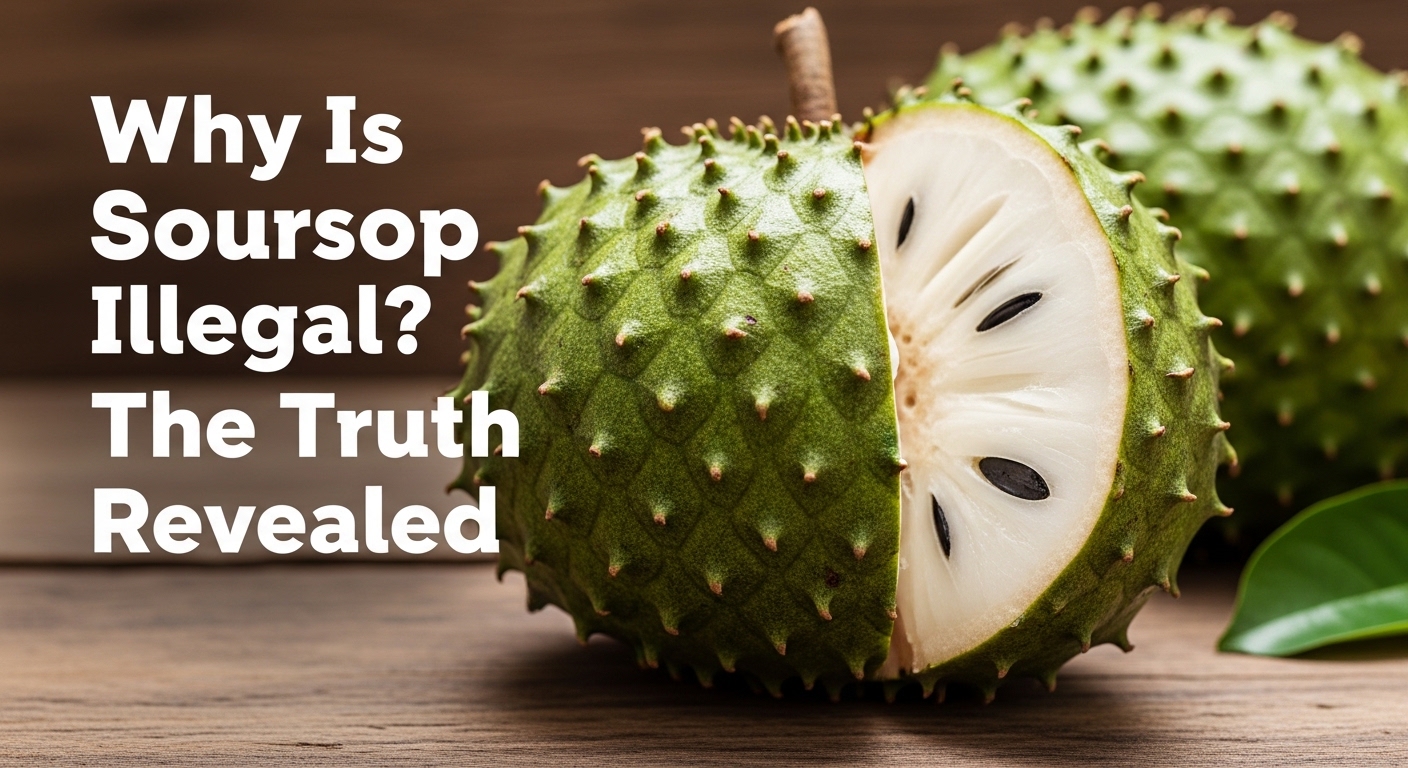
You’ve probably seen soursop — or guanabana as it’s known across Latin America — trending on health blogs, YouTube videos, and supplement shelves. People swear by it for everything from immune support to sleep improvement.
But then someone tells you it’s banned. Or illegal. Or that the U.S. government won’t let you buy it.
Suddenly, the fruit feels forbidden — like some kind of tropical contraband.
Here’s the truth: soursop isn’t exactly illegal, but it isn’t exactly free either. The reality is more nuanced, more interesting, and more important to understand — especially if you’re thinking about buying it.
This article breaks down exactly why soursop faces restrictions in countries like the United States, United Kingdom, and Canada, what’s actually legal to purchase, and what science says about the risks and benefits.
What Is Soursop (Guanabana) and Why Does Everyone Want It?
Before we get into the legal drama, let’s talk about the fruit itself.
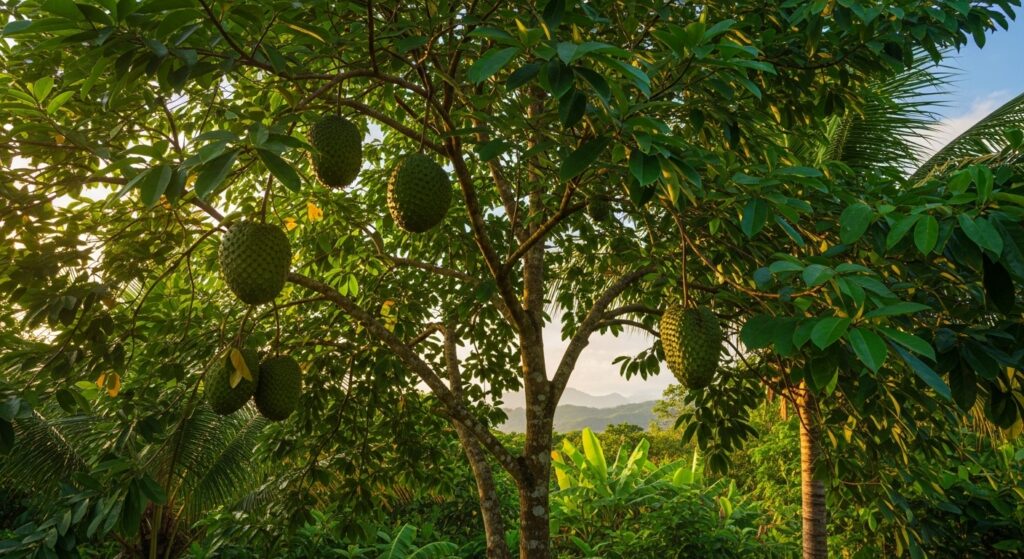
Soursop (Annona muricata) is a large, spiky green tropical fruit native to the Caribbean, Central America, and parts of Africa and Southeast Asia. Its white, fibrous flesh has a flavor often described as a cross between pineapple, strawberry, and coconut — it’s genuinely delicious.
Beyond taste, soursop has been used in traditional medicine for centuries. Practitioners across the Caribbean and Latin America have used the fruit, leaves, bark, and seeds to treat everything from fever and parasites to inflammation.
More recently, laboratory research has shown that soursop contains a class of compounds called acetogenins — particularly a substance called annonacin — which have demonstrated anti-tumor activity in cell culture studies.
That’s what made soursop go viral.
But that same compound is also at the center of why soursop is restricted in several countries.
Is Soursop Illegal in the US? Here’s What USDA Actually Says
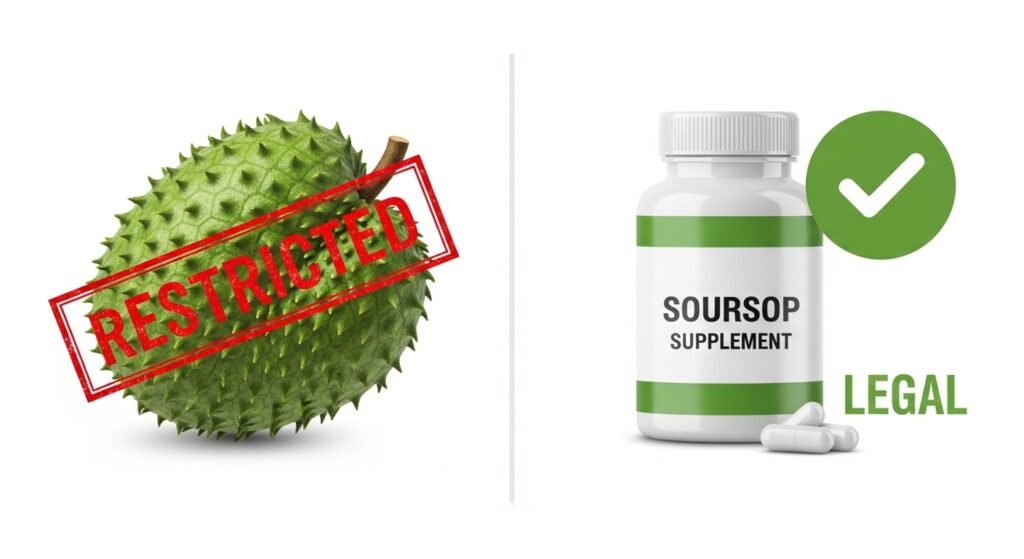
Let’s be very clear: eating soursop is not a crime in the United States.
What is restricted is the importation of fresh soursop fruit into the U.S. mainland. This is enforced not by the FDA, but by the United States Department of Agriculture (USDA) through its Animal and Plant Health Inspection Service (APHIS).
Why Does the USDA Restrict Fresh Soursop?
The reason is agricultural — not health-related.
Fresh soursop can carry fruit flies and other agricultural pests (particularly the Caribbean fruit fly, Anastrepha suspensa) that pose a significant threat to American crops. Introducing these pests into the U.S. agricultural ecosystem could devastate domestic fruit and vegetable industries worth billions of dollars.
This is the same reason many fresh tropical fruits face strict import controls. It’s not unique to soursop — it’s a standard biosecurity protocol designed to protect U.S. farming.
What Can You Buy Legally in the US?
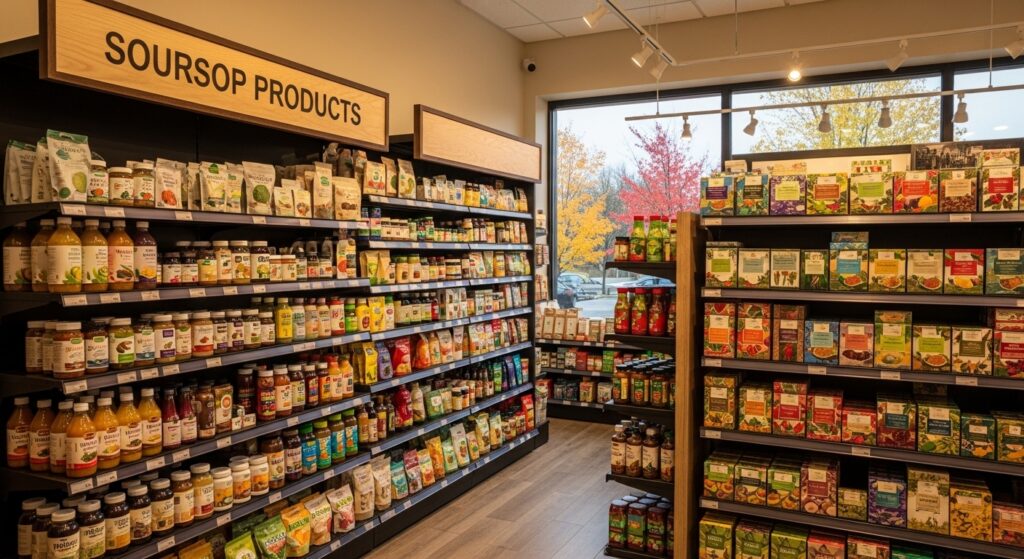
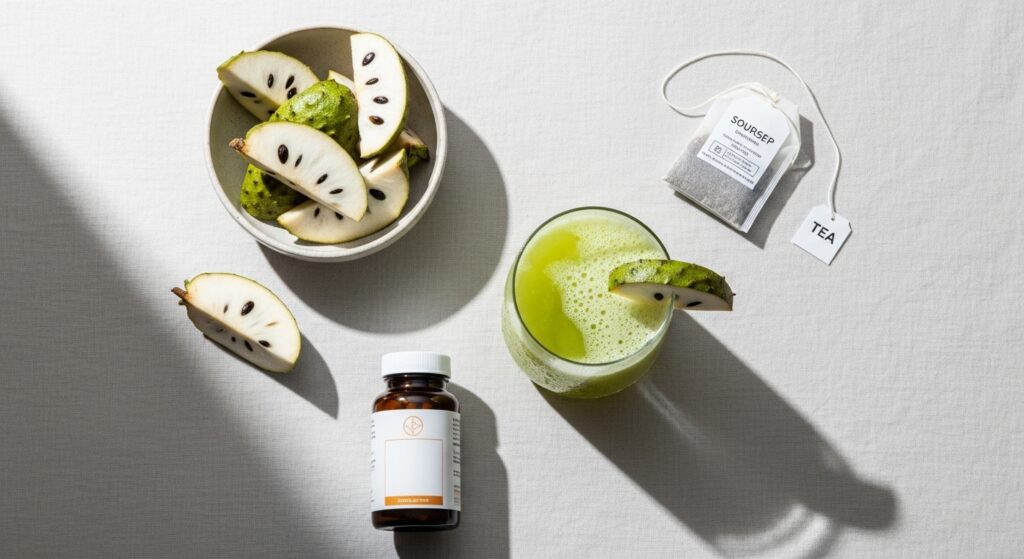
Plenty. The restriction is narrow and specific to fresh fruit imports. In the U.S., you can legally purchase:
- Frozen soursop pulp (widely available in Latin grocery stores and online)
- Soursop juice or nectar (canned or bottled)
- Soursop tea (dried leaves in tea bag or loose form)
- Soursop supplements and capsules (sold in health food stores and on Amazon)
- Soursop powder (used in smoothies)
So if you’ve seen soursop products on shelves at Whole Foods, Walmart, or a Caribbean grocery — that’s completely legal. The USDA’s restriction only applies to the raw, fresh fruit crossing the border without treatment or inspection.
Is Soursop Banned in the UK?
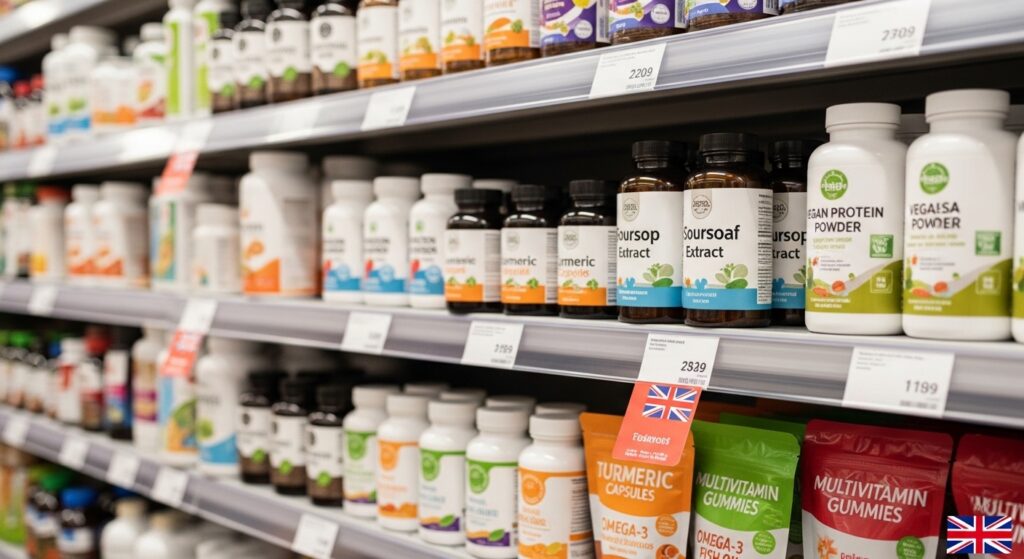
This question gets asked a lot, and the short answer is: no, soursop is not banned in the UK.
You can purchase soursop products — including fresh and frozen fruit, juices, teas, and supplements — from Caribbean food shops, health stores, and online retailers throughout the United Kingdom.
However, the UK’s Food Standards Agency (FSA) does monitor novel food supplements and herbal products for safety. Any soursop product sold as a medicine or making specific health claims must comply with regulations set by the Medicines and Healthcare products Regulatory Agency (MHRA).
In practice, soursop is sold freely as a food product. The FSA has issued general guidance warning consumers to be cautious of herbal supplement products that make exaggerated health claims — but this applies broadly to all herbal products, not soursop specifically.
Why Do People Think Soursop Is Illegal in the UK?
The confusion often stems from three sources:
- Misleading YouTube videos and blog posts conflating agricultural restrictions with health bans.
- Customs seizures of improperly declared fresh tropical fruit, which can happen with any undeclared produce.
- EU import regulations that were adopted pre-Brexit and applied to certain tropical produce.
None of these constitute an outright ban on soursop in the UK.
Is Soursop Illegal in Canada?
Canada’s situation is similar to the United States but with its own regulatory framework.
Health Canada, the federal department responsible for food and health product safety, does not classify soursop as a banned substance. However, Canada’s Canadian Food Inspection Agency (CFIA) applies phytosanitary (plant health) restrictions to fresh tropical fruits that may carry pests.
Fresh soursop from certain countries of origin may require:
- Phytosanitary certificates confirming the fruit is pest-free
- Inspection upon arrival
- In some cases, approved treatment (like irradiation or cold treatment) before entry
Again — this is agricultural border protection, not a health-based prohibition.
Soursop supplements, teas, frozen pulp, and juices are all legal and available in Canada, including at Caribbean grocery stores, Bulk Barn, and through online retailers.
One important distinction: soursop products sold as Natural Health Products (NHPs) in Canada must be licensed under Health Canada’s Natural and Non-prescription Health Products Directorate (NNHPD). This means labels must be accurate and any health claims must be approved — but the product itself isn’t banned.
The Real Reason Soursop Has a Controversial Reputation: Annonacin
Here’s where the story gets genuinely complicated — and where real caution is warranted.
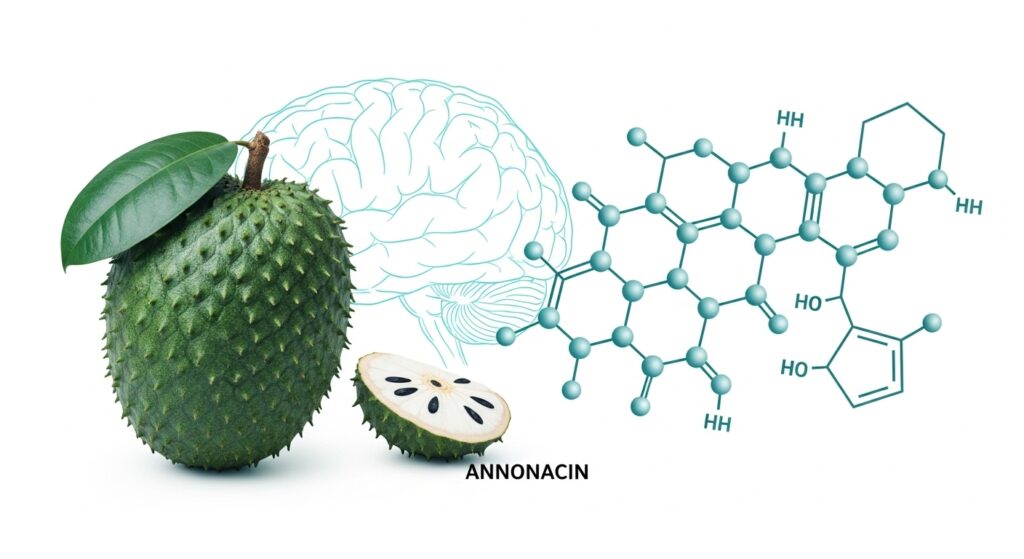
Soursop contains a class of compounds called Annonaceous acetogenins, the most studied of which is annonacin. These compounds are the reason scientists first got excited about soursop’s potential anti-cancer properties.
But annonacin is also a mitochondrial toxin — meaning it can disrupt energy production in cells, including neurons (brain cells).
The Guadeloupe Connection
In the early 2000s, researchers studying unusually high rates of atypical Parkinson’s disease in Guadeloupe (a French Caribbean island) made a startling discovery.
The population consumed extraordinarily high amounts of soursop — as a drink, in herbal preparations, and as food. Neurological analysis of affected patients revealed a form of Parkinson’s that didn’t respond well to standard treatments and progressed quickly.
A landmark study published in The Lancet and subsequent research by Dr. Dominique Caparros-Lefebvre linked chronic, high-dose consumption of soursop (particularly the leaves and seeds) to this atypical neurodegenerative condition — sometimes called Guadeloupean Parkinsonism.
This research did not suggest that eating soursop occasionally causes Parkinson’s. Rather, it found that extremely high consumption over long periods — especially of the leaves and seeds — correlated with neurological damage.
What This Means for You
The key words here are chronic and high-dose. Eating soursop fruit occasionally as part of a varied diet is very different from drinking large amounts of soursop leaf tea every day for years.
The Memorial Sloan Kettering Cancer Center advises that while soursop shows promise in laboratory settings, its safety for regular consumption — especially of concentrated extracts — has not been fully established in human clinical trials.
This is the real scientific concern behind soursop’s controversial reputation — not government conspiracies, not Big Pharma suppression, but genuine uncertainty about neurological risk with heavy, long-term use.
Soursop and Cancer: What Science Actually Says

No conversation about soursop is complete without addressing the cancer claims — because they’re everywhere.
Headlines like “This Fruit Kills Cancer 10,000 Times Better Than Chemo” have circulated for years. Social media is flooded with testimonials. And it fuels a billion-dollar supplement industry.
Here’s what’s actually true, based on peer-reviewed science:
Laboratory studies (in vitro and animal models) have shown that annonacin and other acetogenins can kill certain cancer cell lines. Research published in journals indexed by PubMed confirms these cellular-level effects are real.
However:
- These studies have been conducted on cells in dishes and in mice — not in humans.
- Translating cell-line results to human outcomes is scientifically complex and often unsuccessful.
- As of 2025, no peer-reviewed clinical trial in humans has established soursop as an effective cancer treatment.
- The National Cancer Institute (NCI) and major oncology bodies do not endorse soursop as a cancer therapy.
The FDA has sent warning letters to companies making unauthorized health claims about soursop products under 21 U.S. Code § 343 — not because soursop is harmful per se, but because selling a supplement as a cancer cure without clinical evidence violates food and drug law.
This is an important distinction. Soursop is not banned for being a cancer treatment. It’s regulated when companies make illegal drug claims about it.
Countries Where Soursop Faces the Strictest Restrictions
Here’s a quick-reference summary:
| Country | Fresh Fruit Allowed? | Supplements Legal? | Key Restriction |
|---|---|---|---|
| United States | Restricted (USDA/APHIS) | Yes | Agricultural pest prevention |
| United Kingdom | Generally allowed | Yes | Must comply with FSA/MHRA if medicinal claims made |
| Canada | Restricted without certificates | Yes (with NHP license) | Phytosanitary + NHP regulations |
| Australia | Heavily restricted | Yes | Strict biosecurity laws (DAFF) |
| EU | Subject to phytosanitary rules | Varies by country | Novel foods regulation may apply |
Key takeaway: No major Western country has an outright ban on soursop as a food or supplement. Restrictions relate to fresh fruit imports (agriculture) and to health claims on product labels (consumer protection).
Why Is Soursop Hard to Find Fresh in the US?
Even though soursop isn’t truly illegal, finding fresh soursop in the continental U.S. is genuinely difficult.
Here’s why:
1. USDA Import Restrictions
As explained, fresh soursop faces pest-related import restrictions. Bringing uncertified fresh soursop from the Caribbean or Central America through customs is likely to result in confiscation at the port of entry.
2. Lack of Domestic Cultivation
Soursop requires a tropical climate — warm temperatures year-round with high humidity. Commercial cultivation is possible in South Florida, Puerto Rico, and Hawaii, but production volumes are low and the fruit rarely makes it to mainstream grocery chains.
3. Shelf Life
Fresh soursop is extremely delicate. It ripens quickly and doesn’t travel or store well — making large-scale commercial distribution challenging even without regulatory hurdles.
4. Limited Awareness Among Retailers
Despite growing consumer interest in exotic tropical fruits, most mainstream U.S. grocery chains haven’t prioritized soursop sourcing. Caribbean, African, and Latin American specialty stores are typically where fresh soursop appears when available.
If you’re in the U.S. and want fresh soursop, your best options are:
- Specialty Caribbean or Latin grocery stores in cities like Miami, New York, Houston, and Los Angeles.
- Local farmers markets in Florida and Hawaii.
- Community Supported Agriculture (CSA) boxes from tropical fruit farms in South Florida.
Expert Tips: How to Use Soursop Safely
Given the nuanced picture, here are practical, evidence-informed tips for using soursop wisely:
Do:
- Enjoy soursop fruit flesh, juice, and frozen pulp as part of a balanced diet.
- Use soursop tea occasionally — not as a daily medicinal treatment.
- Buy supplements only from reputable brands with third-party testing (look for NSF or USP certification).
- Consult your doctor before using soursop supplements, especially if you’re on medication or have a neurological condition.
Be Cautious About:
- High-dose soursop leaf or seed extracts consumed regularly over long periods.
- Products claiming soursop “cures” or “treats” cancer or any disease — this is an illegal health claim and a red flag for product quality.
- Giving soursop supplements to children or pregnant women without medical supervision.
Avoid:
- Purchasing fresh soursop and attempting to bring it back from a Caribbean vacation without proper declaration — customs seizure is highly likely.
- Relying on soursop as a substitute for proven medical treatments.
- Extremely high doses of any concentrated soursop extract.
Where to Buy Soursop Legally in the US, UK, and Canada
Finding soursop is easier than most people think once you know where to look.
In the United States:
- Amazon carries frozen soursop, soursop powder, teas, and supplements.
- Specialty stores like Bravo Supermarkets, Compare Foods, and Tropical Supermarkets stock frozen pulp and sometimes fresh fruit.
- Online tropical fruit retailers like Miami Fruit periodically offer fresh soursop grown domestically in Florida.
In the United Kingdom:
- Caribbean food shops in London (Brixton, Peckham, Tottenham) frequently stock fresh or frozen soursop.
- Online retailers like Amazon UK and specialist herbal suppliers carry soursop tea and capsules.
In Canada:
- Caribbean and Afro-Caribbean grocery stores in Toronto, Montreal, and Vancouver.
- Online health food retailers carry soursop supplements and teas.
- Well.ca and similar Canadian health stores stock soursop products.
FAQs: Why Is Soursop Illegal or Restricted?
1. Is soursop illegal in the United States?
Soursop is not illegal to eat, possess, or purchase in the United States. However, importing fresh soursop fruit is restricted by the USDA’s APHIS due to concerns about agricultural pests like fruit flies. Frozen, canned, and processed soursop products are widely and legally available.
2. Why is soursop banned or restricted at the border?
Fresh soursop can harbor tropical fruit flies and other agricultural pests that pose a serious biosecurity threat to American farms. The USDA restricts importation of many fresh tropical fruits — not just soursop — for the same reason. This is an agricultural protection measure, not a health ban.
3. Is soursop dangerous to eat?
Soursop fruit flesh consumed in normal dietary amounts is generally considered safe. The concern identified by researchers relates to very high, chronic consumption — particularly of soursop leaves and seeds — which has been linked to elevated levels of annonacin, a compound associated with atypical Parkinson’s disease in Guadeloupe. Occasional consumption of soursop fruit and juice poses minimal documented risk for healthy adults.
4. Why is soursop banned from making cancer cure claims?
The FDA and equivalent agencies in the UK and Canada prohibit any food or supplement from being marketed as a treatment or cure for diseases like cancer unless it has undergone clinical trials and received regulatory approval. Soursop has not completed such trials. Companies making cancer cure claims about soursop violate federal law — this is why some soursop products have been removed from shelves.
5. Can I bring fresh soursop back to the US from vacation?
Officially, bringing fresh soursop into the U.S. mainland from the Caribbean or Central America without a USDA permit is not permitted and the fruit will likely be confiscated at customs. If you’re returning from Puerto Rico or Hawaii (which are U.S. territories), different rules apply. Always declare produce when crossing international borders.
Conclusion: Soursop Isn’t the Contraband It’s Made Out to Be
So — is soursop illegal?
Not really. Not in the way the viral posts suggest.
What’s true is this: fresh soursop is tightly restricted at U.S. borders for sound agricultural reasons. Health concerns exist for people who consume massive amounts of concentrated soursop extracts over years. Cancer claims are unproven and legally restricted on product labels.
But soursop itself — as a food, as a juice, as an occasional herbal tea — is legal, available, and enjoyed by millions of people across the US, UK, Canada, and around the world.
If you’re curious about soursop, by all means explore it. Try the juice. Make the tea. Enjoy the flavor. Just approach supplements with the same critical thinking you’d apply to any health product — and always talk to your doctor before adding anything new to a health regimen.
Ready to explore soursop for yourself? Look for frozen soursop pulp at your nearest Caribbean grocery store, or search Amazon for certified soursop teas and supplements. Just remember: enjoy it as a food, not as a miracle drug.
This article is for informational purposes only and does not constitute medical or legal advice. Always consult a qualified healthcare provider before making changes to your diet or supplement regimen.

