
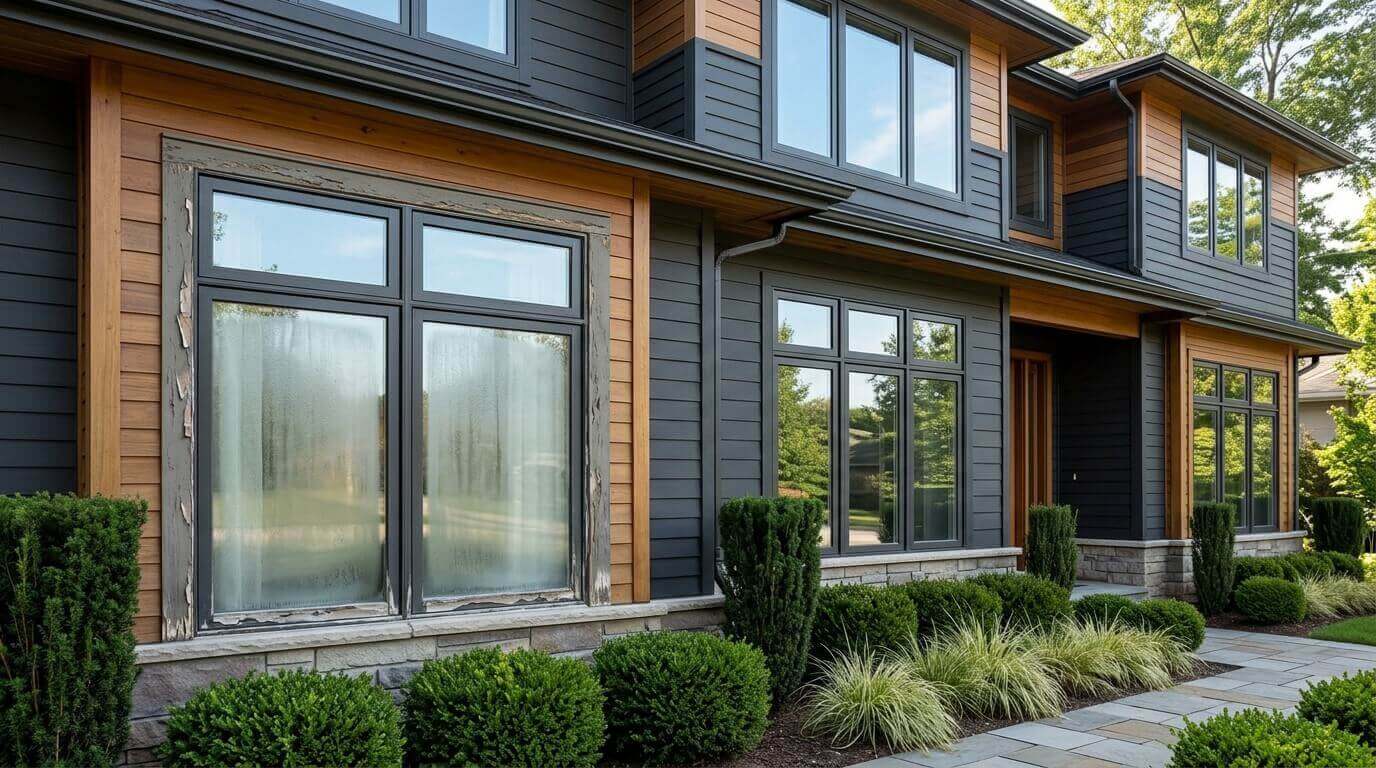
The signs you need to replace your windows can include persistent drafts, rising energy bills, condensation between glass panes, and difficulty opening or closing them. Over time, window seals can deteriorate, frames can become damaged, and moving parts can wear out, affecting indoor comfort and energy efficiency. However, not every problem requires complete replacement. Some issues can be resolved through repairs, new weatherstripping, or replacing a damaged glass unit.
Whether you have lived in your home for years or recently moved into an older property, understanding these warning signs can help you assess your windows’ condition and decide whether repair or replacement is the more practical option.
More Drafts
Have you ever walked past a closed window and felt a cold breeze? This can be one of the clearest signs that something is wrong. Over time, window seals may deteriorate, weatherstripping can wear out, and frames can develop gaps that allow outside air to enter your home.
Drafty windows can make it harder to maintain a comfortable indoor temperature, particularly during colder months. They may also allow warm indoor air to escape in winter or hot outdoor air to enter during summer.
Before deciding on replacement, inspect the edges of the window and check whether the weatherstripping is damaged or missing. Small gaps may be repairable with suitable sealants or replacement weatherstripping. If drafts persist despite these repairs, or the frames are warped or deteriorated, replacing the windows may be worth considering.
Improving insulation and sealing air leaks can also help maintain a more comfortable home. These home comfort improvements can help address some of the factors that affect indoor temperatures.
Higher Bills
If your energy bills seem to be increasing without an obvious explanation, your windows could be contributing to the problem. Older windows, particularly those with single glazing, damaged seals, or poorly insulated frames, may allow more heat to pass between indoors and outdoors.
As a result, heating and cooling systems may need to work harder to maintain a consistent indoor temperature. However, energy bills can also rise because of changing energy rates, weather conditions, inadequate insulation, or inefficient heating and cooling equipment.
Check for drafts, damaged seals, and noticeable temperature differences near the windows. If you are considering replacement, compare options based on their insulation performance, glazing, frame materials, and energy-efficiency ratings rather than appearance alone.
The right choice depends on the home’s climate, existing construction, and the condition of the current windows. Improving air sealing and insulation elsewhere in the home may also help reduce unnecessary energy loss.
You’re Renovating
Replacing windows is not always a response to damage. During a renovation, existing windows may no longer suit the room’s layout, design, or functional requirements.
For example, you might want to improve natural light, change how a room is ventilated, or choose frames that complement updated exterior finishes. Window replacement can also provide an opportunity to inspect the surrounding wall structure and address concealed problems.
Before choosing new windows, consider their size, opening style, frame material, glazing, maintenance requirements, and compatibility with the existing building. If the current windows are still in good condition, repairing or refinishing them may be a reasonable alternative.
When replacing windows as part of a larger renovation, consider how they fit with other exterior elements. This overview of home exterior improvements explains why windows, siding, and other parts of the building exterior should be considered together.
Specialists in window and door replacements, such as those offering full house refits, can help homeowners understand the available options and determine which changes suit their property’s design and functional requirements.
Condensation Between The Glass
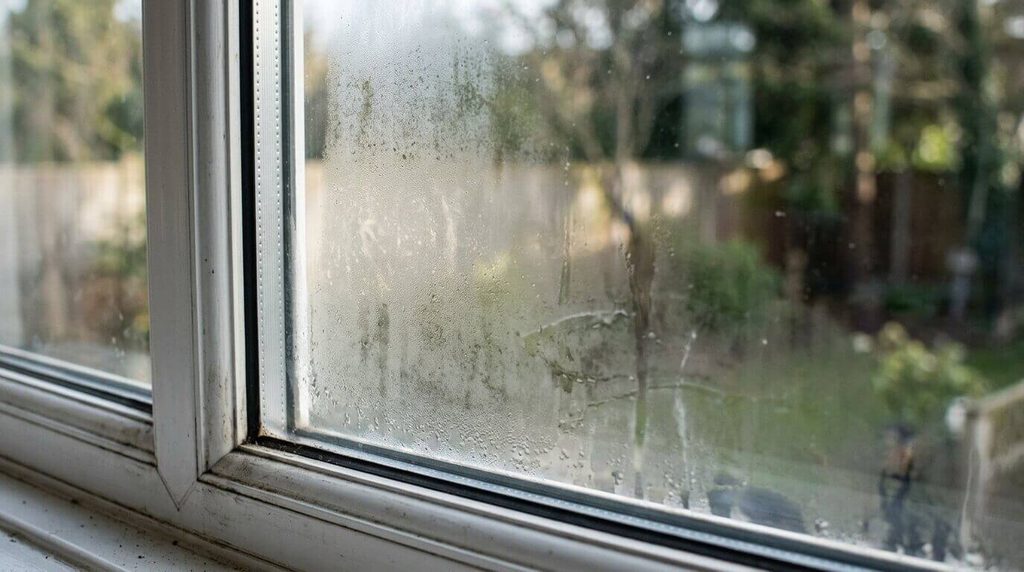
A little condensation on the inside surface of a window is not necessarily a sign of damage. It can develop when warm, humid indoor air comes into contact with cold glass, particularly during colder weather.
However, moisture trapped between the panes of a double-glazed window is different. It often indicates that the seal around the insulated glass unit has failed, allowing moisture to enter the space between the panes.
This can create persistent fogging, water marks, or a cloudy appearance that cannot be wiped away from either accessible glass surface. A failed seal may also reduce the window’s insulating performance, depending on the unit’s construction and condition.
In some cases, replacing the sealed glass unit may be sufficient. If the frame is warped, rotting, corroded, or otherwise damaged, replacing the entire window may be more appropriate.
It is important to distinguish between condensation on the room-facing glass and moisture trapped inside the sealed unit. Identifying where the moisture forms can help determine the most suitable next step. Indoor humidity can also contribute to condensation, so addressing excess moisture may help prevent recurring problems on interior glass surfaces.
Difficult To Open Or Close
Windows should generally open, close, and lock without excessive effort. If yours regularly stick, jam, or refuse to shut properly, the cause may be worn hardware, accumulated dirt, damaged tracks, or a frame that has shifted or warped.
These problems can develop through everyday use, exposure to moisture, temperature changes, or a lack of maintenance. A window that does not close securely may also create concerns about security, ventilation, and weather protection.
Start by cleaning the tracks and checking the handles, hinges, locks, and other moving parts. Some windows only need lubrication or replacement hardware. Avoid forcing a stuck window, as this can cause further damage or create a safety risk.
If the frame is significantly distorted, the sash is damaged, or the window cannot be secured after reasonable repairs, replacement may be necessary. A professional inspection can help establish whether the problem is limited to the hardware or affects the entire window assembly.
When Should You Repair Or Replace Your Windows?
Not every visible problem means the whole window needs to be replaced. The right decision depends on the extent of the damage, the window’s age and construction, the cost of repairs, and how well it performs after maintenance.
Consider the following general guidance:
- Minor drafts: Check weatherstripping, caulking, and installation gaps before replacing the window.
- Higher energy bills: Assess the windows alongside insulation, air leakage, and heating or cooling performance.
- Condensation between panes: Ask whether the insulated glass unit can be replaced separately.
- Sticking windows: Inspect tracks, hinges, locks, and frame alignment.
- Damaged frames: Consider replacement if the structural condition cannot be restored reliably.
If several problems occur together, such as persistent drafts, damaged frames, and difficulty locking the windows, replacement may be more practical than repeated repairs. Comparing repair estimates with replacement costs can help you make an informed decision.
Conclusion
Recognizing the signs you need to replace your windows starts with paying attention to changes in comfort, energy use, appearance, and everyday operation. Persistent drafts, unexplained increases in energy bills, condensation between panes, and windows that no longer open or close properly can all indicate a problem.
Still, these signs do not automatically mean every window needs replacing. Check for repairable issues first, consider the condition of the frames and glazing, and seek professional advice when the cause is unclear. A careful assessment can help you determine whether a simple repair or a complete replacement is the more suitable long-term solution.

