
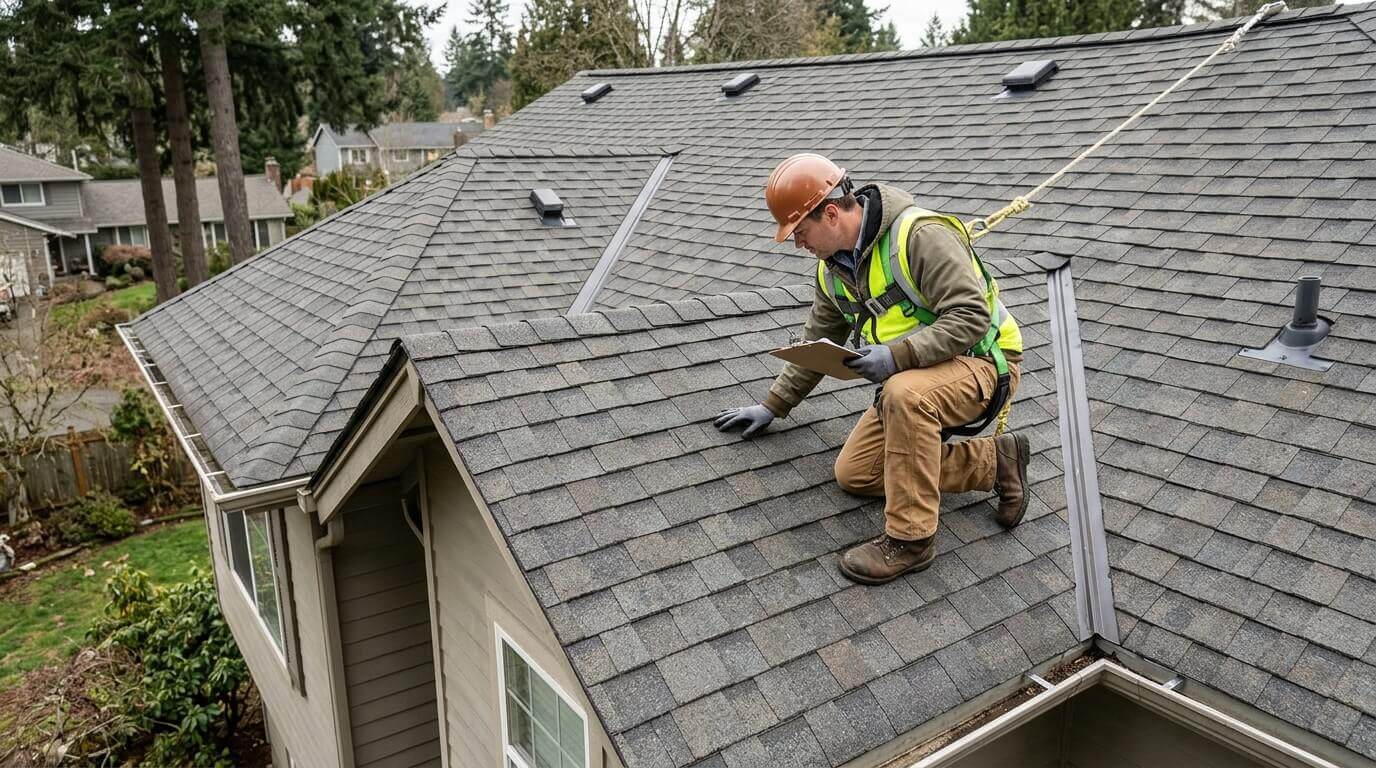
What to Check Before Roof Replacement at Home
What to check before roof replacement is an important question for homeowners planning a major roofing project. Replacing a roof involves more than choosing shingles or panels. The condition of the roof deck, flashing, drainage, ventilation, and other components can affect the work required and the overall budget.
A careful inspection helps identify visible damage, potential hidden problems, and areas that may need attention during installation. Before selecting materials or accepting a contractor’s proposal, homeowners should understand the existing roof system, compare written scopes of work, and plan for possible additional repairs.
Why Roof Replacement Planning Matters
A roof is more than the shingles or panels visible from the street. It includes protective layers beneath the covering, flashing around transitions and penetrations, drainage details, ventilation components, and the roof deck that supports the assembly.
A problem in any of these areas can affect the rest of the system. Planning early gives homeowners time to review options instead of making hurried decisions after a leak or storm. It can also help identify work that might otherwise be overlooked.
For example, a roof that appears worn from the ground may also have damaged flashing, restricted ventilation pathways, or deteriorated decking that becomes visible only after the old material is removed.
When Does Roof Replacement Make More Sense Than Repair?
Repair can be appropriate when damage is limited to a small, identifiable area and the remaining roof is in sound condition. Replacement may be more practical when problems are widespread, recurring, or connected to aging components throughout the roof system.
Signs that deserve closer assessment include:
- Leaks appearing in multiple locations or returning after previous repairs.
- Shingles that are extensively cracked, curled, missing, or losing protective granules.
- Roof decking with soft spots, rot, or visible sagging.
- Flashing, underlayment, or ventilation components requiring extensive work.
- Multiple existing roof layers that complicate repairs or add unnecessary weight.
- Repeated repairs that no longer provide a dependable solution.
The key question is whether another repair will address the underlying cause or only cover the visible symptom. A qualified roofing professional can evaluate the roof and explain whether localized repairs or broader replacement work is appropriate.
What Should a Thorough Roof Inspection Cover?
A complete evaluation should include exterior and interior observations when conditions allow. Homeowners should avoid climbing onto roofs or entering unsafe attic spaces themselves. Photographs and written notes can help explain the findings and the work being proposed.
Exterior Areas
- Roof covering condition, including shingles, panels, ridges, valleys, eaves, and edges.
- Flashing around chimneys, skylights, walls, pipes, and other penetrations.
- Gutters, downspouts, drainage paths, and evidence of standing water.
- Exposed fasteners, damaged sealant, moss or algae growth, and storm-related damage.
- Roof edges, fascia, soffits, and other connected exterior components.
Attic and Interior Areas
- Water stains, active leaks, damp insulation, or signs of moisture.
- Decking condition, including rot, staining, or weakened areas.
- Ventilation intake and exhaust pathways, where applicable.
- Light visible around penetrations or damaged roof areas.
- Signs that moisture or inadequate airflow may be affecting the attic.
Ventilation should be considered as part of the complete roof assembly rather than as an isolated upgrade. In vented attic designs, suitable airflow and insulation details can help manage moisture and heat transfer. The U.S. Department of Energy provides additional guidance on attic insulation and ventilation.
Homeowners should also consider how the roof connects with the rest of the exterior. The condition of siding, windows, gutters, and other components may influence the timing of related work. A broader review of home exterior improvements can help identify which exterior projects may need to be coordinated.
How Should You Compare Roofing Quotes?
The lowest estimate is not necessarily the lowest final cost. Compare proposals line by line, especially when one quote is substantially less expensive than others. A clear written scope creates a more meaningful comparison.
Quote Items and Questions to Ask
- Removal: How many existing layers will be removed, and who handles disposal?
- Protection: What underlayment, eave protection, and flashing work are included?
- Decking: How will damaged sheathing be documented, approved, and priced?
- Ventilation: Is ventilation work included, and what supports the recommendation?
- Permits: Who applies for permits, schedules inspections, and keeps final records?
- Warranties: What does the manufacturer cover, and what does the contractor cover?
- Schedule: What are the estimated start date, project duration, payment terms, and change-order process?
- Cleanup: How will debris be collected, and how will the property be checked before the crew leaves?
Ask contractors to identify exclusions and explain how unexpected repairs will be priced. A proposal should also state whether the quoted price includes replacing damaged decking or whether those repairs will be billed separately.
How Do You Choose the Right Roofing Material?
The appropriate material depends on the home’s design, roof pitch, structural capacity, weather exposure, maintenance preferences, budget, and appearance goals.
Asphalt shingles are a common residential option, while metal roofing may suit homeowners considering a different appearance and durability profile. Other roofing materials may also be suitable depending on the building and installation requirements.
Before deciding, ask whether the product is suitable for the roof’s slope and details, whether compatible materials will be available for future repairs, and whether any neighborhood or building rules affect the permitted appearance.
It is also important to distinguish between a manufacturer’s product warranty and a contractor’s workmanship warranty. A product warranty generally concerns specified material defects, while a workmanship warranty addresses installation-related responsibilities under its terms. Review the actual documents instead of relying on general verbal assurances.
What Permits and Budget Items Should You Plan For?
Permit requirements vary by location, roofing material, structural work, and project scope. Confirm whether a permit is needed, who will obtain it, and whether inspections are required during removal or after installation.
Keep permit paperwork with the final contract and warranty documents. A realistic budget should account for more than the visible roofing material. Roof size, pitch, access, old-layer removal, flashing, ventilation, disposal, permit fees, and possible deck repairs can all affect the final cost.
Request clear unit pricing or a written allowance for decking repairs rather than vague language about possible extras. Also ask whether the estimate includes replacing damaged flashing, repairing fascia or soffits, and removing debris from the property.
For storm-related work, photograph visible damage from a safe position before temporary repairs change the evidence. Keep inspection reports, estimates, invoices, permits, and material information together. Coverage decisions depend on the policy and insurer. The Connecticut Insurance Department notes that insurers may consider roof condition and use aerial imagery or physical inspections when evaluating roof-related risk.
How Can You Prepare for Roof Replacement?
Roof replacement usually involves several stages, and understanding the sequence helps homeowners prepare for access restrictions and noise.
- Inspection, photographs, measurements, and a written scope.
- Material selection, scheduling, and permit coordination when required.
- Property preparation, including access for materials and debris removal.
- Removal of old roofing and inspection of the exposed deck.
- Installation of any needed decking, protective layers, flashing, ventilation, and new roofing.
- Cleanup, final inspection, and delivery of warranty and project records.
Before work starts, move fragile items away from walls and shelves, clear driveway access, protect outdoor furniture, and keep children and pets away from the work area.
Ask the contractor how weather delays, unexpected deck repairs, and changes to the original scope will be communicated. If water intrusion is discovered during removal, the team should explain how the affected area will be protected while the necessary work is arranged.
Regular checks of roof drainage and exterior surfaces can also help identify developing issues. For example, roof and drainage checks for water damage prevention cover areas such as gutters, downspouts, flashing, and roof penetrations that can also matter in residential maintenance.
After completion, retain the contract, paid invoice, permit records, photographs, and warranty information in one accessible place.
What Should You Check Before Accepting the Finished Roof?
Before treating the project as complete, review the agreed scope and confirm that the contractor has addressed the work listed in the contract.
- Has the completed roofing work been inspected from a safe position?
- Were the agreed flashing, ventilation, and drainage items addressed?
- Have any additional repairs been documented?
- Has the work area been cleared of roofing debris and discarded materials?
- Have applicable permits and inspections been completed?
- Have you received the final invoice, product details, and warranty documents?
- Are any outstanding items or exclusions recorded in writing?
Ask for clarification if the completed work differs from the agreed scope. Keep copies of relevant communications and change orders alongside the final project records.
Final Checklist
- Has the roof been assessed from the exterior and interior where safely accessible?
- Does the written scope explain removal, installation, cleanup, and deck repair terms?
- Are permit and inspection responsibilities clearly assigned?
- Does the selected material suit the home’s roof design and conditions?
- Are product and workmanship warranties explained separately?
- Are payment dates and change-order rules in writing?
- Is there a clear process for documenting unexpected damage?
A roof replacement is easier to manage when decisions are based on documented conditions and a complete written plan. By comparing the scope, materials, warranties, and project responsibilities instead of price alone, homeowners can make a more informed decision and reduce uncertainty during the work.

