
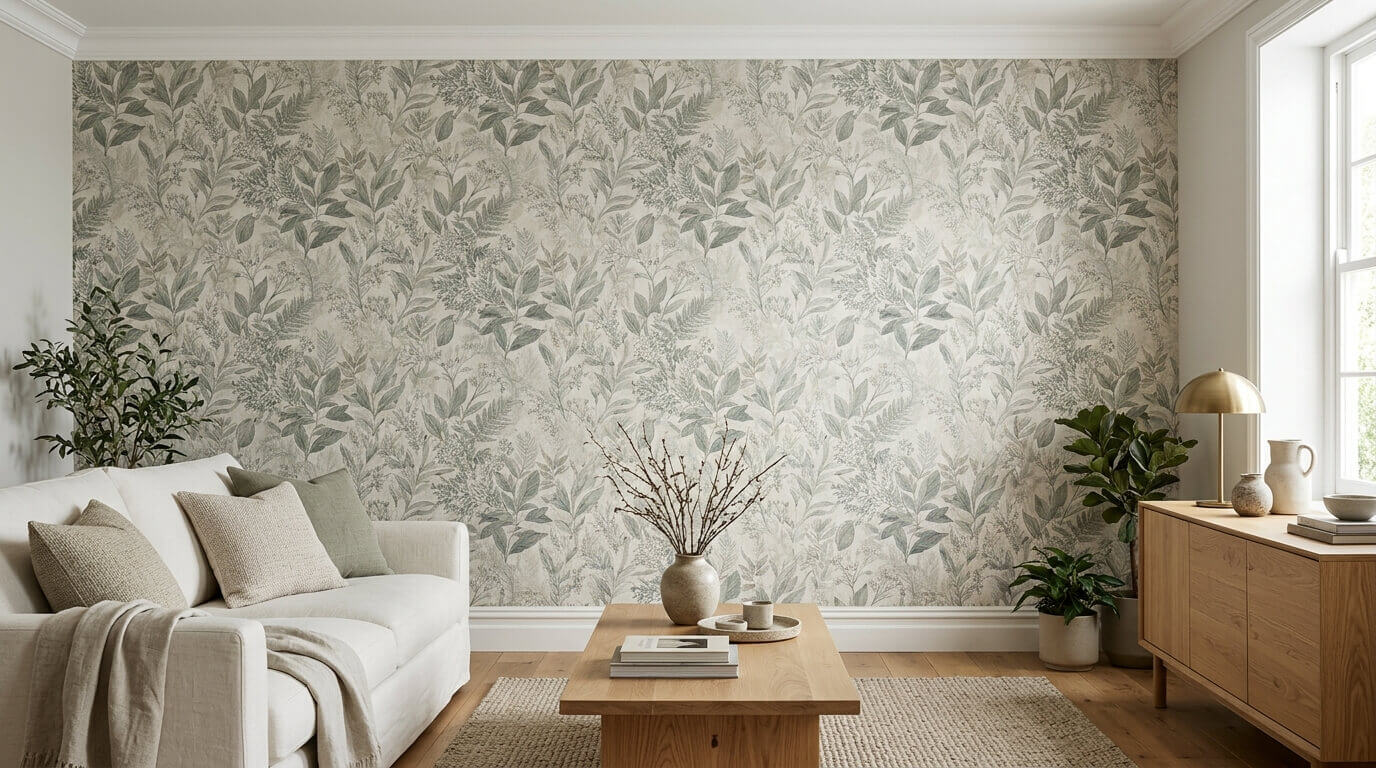
How to prepare walls for wallpaper installation is one of the most important considerations when planning a wallpaper project. Even a high-quality wallcovering can look uneven or lose adhesion when applied to a damaged, textured, dirty, or unsuitable surface. Proper preparation helps create a smoother finish, improves compatibility with the adhesive, and reduces the risk of visible seams or premature peeling.
Wallpaper selection matters, but the final result also depends on the condition of the wall, the type of material, the room environment, and the installation method. Understanding these factors before work begins can help homeowners avoid unnecessary expenses and make more informed decorating decisions.
Why Wall Preparation Matters More Than Most Homeowners Realize

One common misconception is that wallpaper can hide imperfections in a wall. In reality, many modern wallcoverings make those imperfections more noticeable.
Small dents, uneven drywall joints, rough paint, and textured surfaces can show through the finished material, particularly under natural or directional lighting.
Some walls have orange-peel or knockdown textures that work well with paint but are unsuitable for certain wallpaper products. Depending on the material, preparation may involve removing loose coatings, repairing damaged drywall, skim-coating textured surfaces, sanding, cleaning, and applying an appropriate wallcovering primer. Similar attention to detail is important when following the right and wrong ways to paint your home.
The extent of preparation depends on the wallcovering. A thicker vinyl product may tolerate minor surface irregularities better than a smooth, delicate non-woven wallpaper. Reflective finishes and fine patterns can reveal even subtle defects.
Skipping preparation might reduce the initial cost, but it can lead to visible imperfections, poor adhesion, lifting seams, or premature replacement.
The goal is to create a stable, smooth, clean, and compatible surface that meets the selected product’s installation requirements.
The Most Expensive Wallpaper Is Not Always the Best Choice
Wallpaper prices vary considerably, and a higher price does not automatically mean greater durability or suitability for every room. The best choice depends on the material’s characteristics, the intended location, maintenance requirements, and the condition of the wall.
Non-Woven Wallpaper Is Versatile and Refined
Non-woven wallcoverings are popular in residential interiors because they come in a wide selection of patterns, colours, and textures.
Many are dimensionally stable and designed for paste-the-wall installation, although the manufacturer’s instructions should always determine the correct method.
They are often suitable for bedrooms, living areas, accent walls, and other spaces where decorative appearance is a priority. The wall still needs to be properly prepared to prevent surface imperfections from showing through.
Vinyl Wallcoverings Are Practical for Busy Spaces
Vinyl wallcoverings can offer improved cleanability and resistance to everyday wear, making certain products appropriate for hallways, commercial interiors, and frequently used rooms.
However, not all vinyl wallpapers have the same performance characteristics. Commercial Type II vinyl wallcoverings, for example, are designed for demanding applications and should not be confused with lightweight decorative vinyl products.
Check the manufacturer’s specifications for cleaning, durability, adhesive compatibility, and recommended installation conditions before choosing a product.
Grasscloth and Natural Fibres Add Organic Texture
Grasscloth, sisal, and other natural-fibre wallcoverings introduce texture and visual depth that printed wallpaper cannot fully reproduce.
Their distinctive appearance comes partly from natural variations in colour, fibre thickness, and texture. Panel shading, visible seams, and differences between strips may be inherent characteristics rather than installation defects.
These materials require careful planning and realistic expectations, particularly when used across large, highly visible walls. Confirm how the manufacturer recommends handling seams, matching panels, and managing natural variations before installation.
Peel-and-Stick Wallpaper Requires a Suitable Surface
Peel-and-stick products are often marketed as convenient DIY solutions. However, their performance depends heavily on surface smoothness, paint compatibility, and environmental conditions.
Wall texture, insufficiently cured paint, dust, grease, or incompatible coatings can interfere with adhesion. Some products may also stretch or resist repositioning, making accurate alignment more difficult than expected.
Removable does not always mean damage-free. Review the manufacturer’s instructions and test the product where recommended before applying it across an entire wall.
A Professional Installation Begins With Questions, Not Adhesive
Before hanging the first panel, the installer needs to consider the room as a whole.
Where does natural light enter? Which wall will attract the most attention? Are the corners square? How should the pattern align around windows, doors, and other architectural features?
These details influence the starting point, panel arrangement, and overall visual balance.
For example, a bold geometric wallpaper can appear unbalanced if its pattern ends awkwardly beside a prominent doorway. Similarly, a panoramic mural may require careful positioning to preserve its focal point.
The installer should also inspect the material itself. Roll dimensions, pattern repeat, dye-lot information, printing direction, and manufacturing instructions can all affect the layout and quantity required.
Material planning is especially important with premium wallcoverings. Ordering additional rolls after installation begins may cause delays or introduce differences between production batches.
For projects involving multiple rooms, coordination with the interior designer, builder, or general contractor can also help prevent scheduling conflicts and damage to newly finished surfaces.
What Homeowners Should Consider Before Installation
Climate, indoor heating, construction materials, and the condition of an existing home can all influence wallpaper installation.
Dry indoor air, strong sunlight, and seasonal changes in temperature may affect working conditions, but the appropriate limits depend on the wallcovering and adhesive. Manufacturer recommendations should take priority over general advice.
Newly constructed or renovated rooms may need sufficient drying and curing time before wallpaper can be applied. Newly painted walls should also be allowed to cure according to the paint and wallpaper manufacturers’ instructions.
Moisture problems should be investigated and corrected before installation rather than concealed beneath decorative material.
Existing walls may have multiple paint layers, old adhesive, textured finishes, or damage left behind by previous wallcoverings. The appropriate preparation method depends on the actual substrate, not simply the age of the property.
When comparing professional services, homeowners may find it useful to review the scope offered by wallpaper installers in Aurora, CO, while confirming that any proposed preparation and installation methods suit their particular walls and chosen material.
What Happens When Recommended Wall Preparation Is Declined?
Budget and scheduling pressures sometimes lead homeowners to consider installing wallpaper over surfaces that have not been fully prepared. The potential consequences should be discussed before work begins.
An uneven wall may create visible shadows beneath smooth wallpaper. An unstable painted surface can compromise adhesion, while excessive texture may interfere with seams or affect the finished appearance.
Some limitations are primarily cosmetic. Others can contribute to premature installation failure.
A qualified installer should distinguish between conditions that may be acceptable with clearly explained limitations and conditions that make installation unsuitable.
Homeowners should understand what work is recommended, what could happen if it is declined, and whether the selected material can reasonably be installed under the existing conditions.
Accepting visible imperfections does not mean accepting poor workmanship. A professional installation still requires appropriate techniques, suitable materials, and careful handling.
Why Communication Matters During a Wallpaper Project
Even a carefully planned installation can encounter unexpected conditions.
An installer may discover damaged drywall behind an old wallcovering, insufficient material for the planned layout, or a discrepancy between the supplied product and the approved design.
On an active construction site, unfinished electrical work, freshly painted surfaces, and changes to trim or cabinetry can also affect the schedule.
Rather than making assumptions, the installer should explain the issue and discuss the available options before proceeding.
For example, if a project runs short of wallpaper, the choices may include ordering additional material, changing the layout, or agreeing on a revised panel arrangement. Each alternative can have different implications for appearance, cost, and completion time.
Clear communication is essential, particularly when coordinating wallpaper installation with the small finishing touches that complete a home renovation.
Documenting approved changes helps prevent misunderstandings and establishes realistic expectations for the finished result.
What Experience Teaches About Specialty Wallcoverings
Different wallpaper materials require different handling techniques. Non-woven wallpaper, specialty vinyl, grasscloth, and decorative murals may each have specific requirements for preparation, alignment, adhesive application, and seam treatment.
A common mistake is assuming that a more expensive wallpaper can compensate for inadequate wall preparation. In practice, delicate designer materials may require even greater attention to substrate quality, layout, and handling.
Natural-fibre wallcoverings can show variations that are part of the material itself, while highly patterned designs may require additional planning to maintain visual continuity.
Early communication between the homeowner, designer, and installer helps clarify material specifications, installation sequence, estimated quantities, and expectations for the finished appearance.
The underlying principle is straightforward: quality materials deserve equally careful preparation and installation.
A Practical Checklist Before Your Wallpaper Project
Before scheduling installation, work through these essential questions.
- Is the wall suitable? Check for texture, cracks, damaged drywall, loose paint, old adhesive, and moisture concerns.
- Is the material appropriate? Consider room usage, cleaning requirements, lighting, surface compatibility, and any natural variations in the selected wallpaper.
- Has the quantity been verified? Account for wall dimensions, pattern repeats, layout, and a reasonable allowance for cutting and waste.
- Are the installation conditions suitable? Confirm the required temperature, humidity, curing time, and access to the work area.
- Who is responsible for preparation? Clarify whether the installer, homeowner, or another contractor will complete repairs, sanding, cleaning, and priming.
- How will unexpected changes be handled? Establish a process for approving additional work, material substitutions, or layout adjustments.
- Have the manufacturer’s instructions been reviewed? Check the recommended adhesive, application method, surface requirements, and maintenance guidance.
Addressing these questions early can help reduce delays, prevent avoidable mistakes, and make the installation process easier to coordinate.
How Can You Achieve a Better Wallpaper Finish?
A successful wallpaper project depends on more than choosing an attractive pattern. Wall preparation, suitable material selection, accurate measurements, careful layout, and clear communication all contribute to the finished result.
Inspect the wall before ordering materials, address damage or moisture issues, and confirm that the chosen wallcovering is appropriate for the room. Allow sufficient time for repairs, paint curing, and other preparation work before installation begins.
Whether you are updating a small accent wall, decorating a powder room, or planning wallpaper throughout a home, thoughtful preparation helps establish the conditions for a more consistent and durable finish.
The pattern creates the visual impact, but the condition of the wall and the quality of the installation determine how well that design comes together.

