
Key Takeaways
- Check the fireplace, chimney exterior, and safety equipment before the first fire of the season.
- An annual inspection can identify creosote, obstructions, damage, and venting concerns.
- Dry, seasoned firewood helps create a hotter, cleaner-burning fire with less smoke.
- Smoke spillage, unusual odors, water stains, and falling masonry are warning signs that need attention.
- Working smoke alarms and carbon monoxide detectors are essential safeguards for every home with a fireplace.
A fireplace can make an Atlanta home feel comfortable on a chilly evening, but safe use begins well before the first match is lit. A seasonal review helps uncover problems that may be hidden in the flue, smoke chamber, damper, or masonry. Similar preparation is important for other heating equipment, which is why homeowners should understand why seasonal heating system maintenance matters. For homeowners who have not had their system checked recently, scheduling a chimney cleaning in Atlanta at https://southernchimneys.com/chimney-cleaning-atlanta/ can be a practical step in preparing for the cooler months. Cleaning is not a substitute for inspection, but both services can help reveal conditions that are difficult to see from the firebox.
Start With a Seasonal Safety Checklist
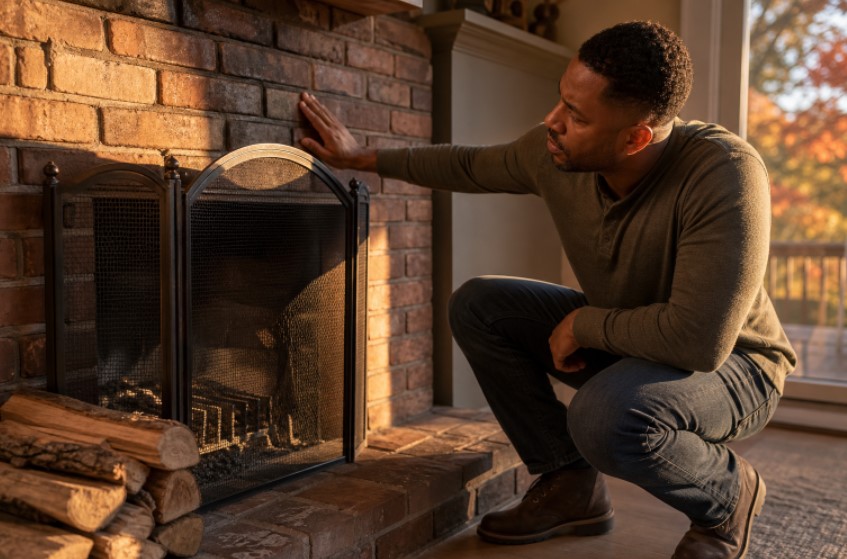
Before using a wood-burning or gas fireplace, take a few minutes to inspect the area from inside the home. Confirm that the damper moves freely and opens fully. A closed or partly closed damper can send smoke and combustion gases back into the room.
- Look for cracked bricks, crumbling mortar, rust, or loose metal components.
- Check the firebox for fallen flue tile, nesting material, leaves, or other debris.
- Move furniture, rugs, curtains, baskets, and decorations away from the hearth.
- Test smoke alarms and carbon monoxide detectors, replacing batteries when needed.
- Keep a rated fire extinguisher accessible and make sure household members know where it is.
- Verify that fireplace screens or glass doors are secure and in usable condition.
Know When an Inspection or Cleaning Is Needed
An inspection evaluates the chimney and fireplace for hazards such as damaged liners, obstructions, poor draft, deteriorated masonry, and venting issues. Cleaning focuses on removing soot and creosote deposits. Both matter, but they address different needs. A yearly chimney evaluation is a sensible safety benchmark, even for fireplaces that receive light use. Wood-burning fireplaces can accumulate creosote, while gas units may develop problems with the burner, vent, liner, or termination. A closer evaluation is especially wise after a chimney fire, a severe storm, a home purchase, or changes to a fireplace appliance.
Account for Atlanta’s Weather
Atlanta’s humidity, frequent rain, thunderstorms, and changing temperatures can be hard on chimney materials. Water can enter through a damaged cap, cracked crown, failed flashing, or open masonry joints. Over time, moisture may contribute to rust, weakened mortar, stains on nearby walls, peeling paint, and musty odors.
Areas to Check After Severe Weather
- The chimney cap, top surface, and visible metal components.
- Flashing where the chimney meets the roof.
- Missing mortar, cracked bricks, or loose masonry.
- Water marks near the fireplace, chimney breast, or ceiling.
- Tree limbs, leaves, or storm debris near the chimney opening.
Chimney care should not be treated as a winter-only task. Addressing water entry as soon as it appears can help prevent a small exterior repair from becoming a larger interior issue later.
Choose and Store Firewood Correctly
Firewood quality directly affects smoke, draft, and residue in the chimney. Dry, seasoned logs burn more efficiently than green or wet wood. The best wood-burning practices published by the EPA recommend seasoning wood for at least six months and using wood with a moisture content below 20 percent. Store firewood outdoors, off the ground, with airflow around the stack. Cover the top to protect it from rain, but avoid wrapping the sides tightly because trapped moisture slows drying.
Materials to Avoid Burning
- Household trash, cardboard, plastic, and foam packaging.
- Painted, coated, or pressure-treated lumber.
- Plywood, particleboard, or wood products made with glue.
- Wet, moldy, rotting, or diseased logs.
- Gasoline, kerosene, charcoal starter, or other accelerants.
Watch for Warning Signs
Do not assume a fireplace is safe simply because it worked last season. Stop using the system and arrange an evaluation if smoke enters the room, a carbon monoxide alarm sounds, or visible structural damage appears.
- Smoke rolls into the room rather than moving up the chimney.
- A campfire-like smell remains after the fireplace is cold.
- Black, shiny, sticky, or unusually heavy deposits appear in the firebox.
- Bricks, mortar, or flue fragments fall into the fireplace.
- Birds, squirrels, chirping sounds, or nesting material suggest an obstruction.
- Water appears near the fireplace after rain.
These concerns deserve prompt attention. In a 2019 local incident, Atlanta fire officials emphasized the need to have chimneys cleaned and inspected before use after a fire broke out in an apartment chimney.
Build a Safer Fire
When the fireplace is ready for use, favor small, hot fires over slow, smoky ones. Good airflow supports more complete combustion and reduces the chance of smoke lingering indoors.
- Open the damper fully before lighting the fire.
- Start with dry kindling and a modest amount of seasoned firewood.
- Leave space between logs so air can circulate.
- Keep a screen or appropriate fireplace doors closed while the fire burns.
- Never leave children, pets, or a burning fire unattended.
- Allow ashes to cool completely before removal.
- Place cooled ashes in a covered metal container kept outdoors on a noncombustible surface.
Know When to Call a Professional
Professional help is appropriate when you cannot safely inspect the flue, notice heavy buildup, suspect water damage, or experience poor draft. A qualified technician can assess areas inaccessible from the living room and determine whether cleaning, repair, or further investigation is needed.
- Ask what type of inspection is included with the appointment.
- Request written findings and photographs when available.
- Confirm insurance, training, and relevant credentials.
- Ask for a clear explanation of any recommended repair.
- Be cautious about approving expensive work without documentation of the concern.
Common Questions About Fireplace Safety
How Often Should a Chimney Be Inspected?
Once a year is a practical general guideline; the need for cleaning depends on use, fuel type, draft performance, and the amount of soot or creosote found.
Does a Gas Fireplace Need an Inspection?
Yes. Gas fireplaces still require safe venting and dependable operation. Burners, vents, liners, connections, and exterior terminations can all develop issues.
What Should a Homeowner Do if Smoke Enters the Room?
Stop adding fuel, keep people away from the smoke, and make sure the damper is open. Once the fire is safely out, do not use the fireplace again until the cause has been evaluated.
Is a Chimney Cap Necessary?
A properly fitted cap can help keep out rain, leaves, birds, and small animals while allowing smoke to exit. It should still be checked periodically for rust, damage, and blockage.
Conclusion
Fireplace safety starts before the first flame. By inspecting the system, using dry, properly seasoned wood, testing smoke and carbon monoxide alarms, keeping combustible materials away from the hearth, and watching for warning signs, Atlanta homeowners can reduce avoidable risks. Scheduling professional chimney inspections and cleaning when needed can also help identify creosote buildup, blockages, damaged masonry, leaks, or ventilation concerns before they become more serious. Taking these simple precautions throughout 2026 can support safer fireplace operation, protect the home, and help Atlanta families enjoy a warmer, more comfortable living space with greater confidence throughout the heating season.

