

You found the house. The light hits the kitchen just right, the backyard has room for a dog, and you can already picture your couch in the living room.
Then your agent says the words that bring you back to earth: “Let’s schedule the inspection.”
And the first thing you think is: how much is this actually going to cost me?
It’s a fair question. You’re already stretching your budget for a down payment, closing costs, and moving expenses. The last thing you want is a surprise bill on top of all that.
So let’s settle it plainly. A typical home inspection costs $300 to $500, with the national average sitting around $343, with most homeowners paying between $296 and $424. But that number moves depending on your home’s size, age, location, and what kind of inspection you’re getting.
This guide walks through every piece of that puzzle — what drives the price up or down, what you actually get for your money, how long the process takes, and how to avoid overpaying or underpaying for something this important. No jargon, no fluff, just the real numbers and what they mean for you.
What Is a Home Inspection, Exactly?
Before we talk numbers, it helps to know what you’re actually paying for.
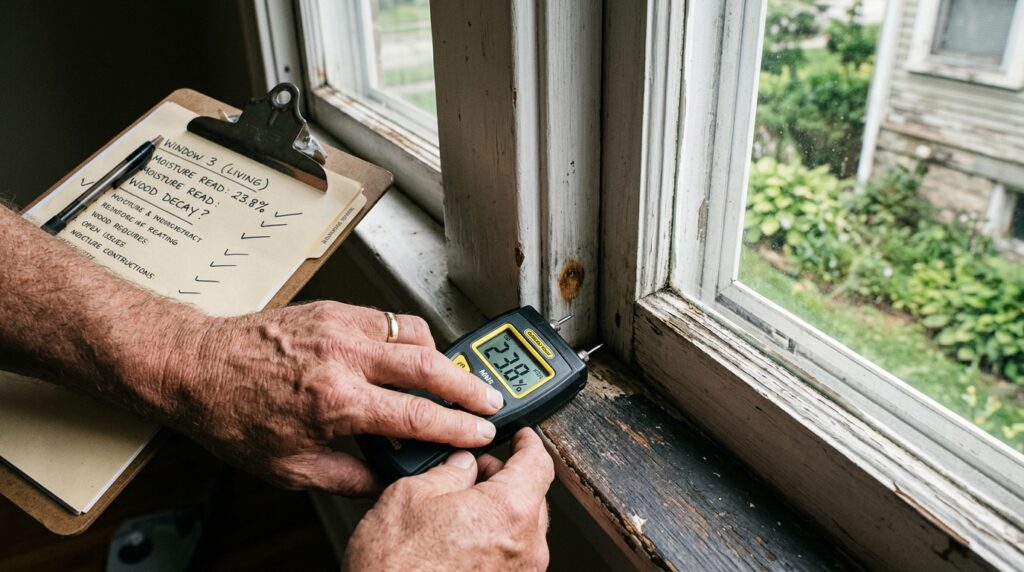
A home inspection is a top-to-bottom visual checkup of a house. A licensed inspector walks through the property — roof to foundation — and checks the major systems: electrical, plumbing, HVAC, structure, and more. They’re not opening up walls or running lab tests. They’re looking, testing, and documenting what they find.
Think of it less like a deep surgery and more like a thorough physical exam. The inspector flags what looks healthy, what looks worn, and what needs a specialist to take a closer look.
By the end, you get a written report — usually with photos — that lays out the condition of the home in plain language. That report becomes your leverage. If the inspector finds a cracked foundation or an aging roof, you can ask the seller to fix it, lower the price, or in some cases, walk away from the deal entirely.
How Much Does a Home Inspection Cost? The Real Numbers
Let’s get straight to it.
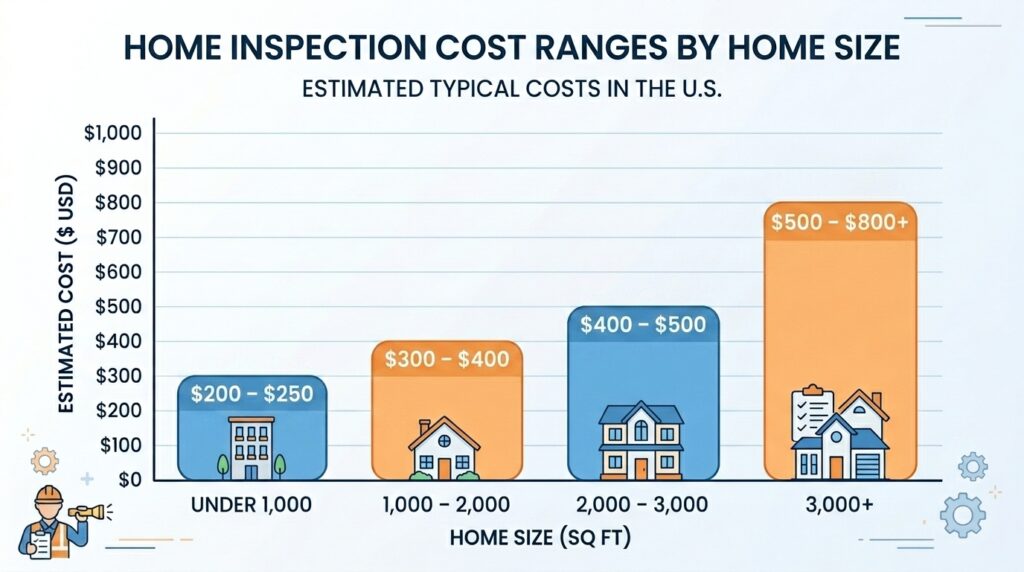
Across the country, a standard home inspection runs $300 to $500, though prices can dip below $250 in smaller markets or climb past $600 in expensive metro areas. Multiple cost-tracking sources land on a similar figure: the average cost of a home inspection is $343, with prices ranging from $296 to $424.
Here’s a simple breakdown of what most buyers pay, based on aggregated industry pricing data:
| Home Size | Typical Inspection Cost |
|---|---|
| Under 1,000 sq. ft. | $200 – $250 |
| 1,000 – 2,000 sq. ft. | $300 – $400 |
| 2,000 – 3,000 sq. ft. | $400 – $500 |
| 3,000+ sq. ft. | $500 – $800+ |
To put that in perspective, the typical American single-family home isn’t small. The median size of a newly built home was 2,146 square feet — which puts most buyers squarely in that $300–$500 range.
A few sources show slightly different framing, which is worth knowing so you’re not thrown off by conflicting numbers online. Some cost guides report a broader range of $200 to $500 on average, with inspectors charging up to $800 or more in regions with luxury homes or a high cost of living. Others narrow it down further, pointing to $340 to $420 nationally, with most buyers paying around $380.
The takeaway: don’t fixate on one exact number. Budget for somewhere between $300 and $500, and treat anything outside that as a sign to ask why.
What Affects the Cost of a Home Inspection?
No two houses are identical, and neither are two inspection bills. Here’s what actually moves the price.
1. The Size of the Home
This is the single biggest factor. A bigger house simply takes longer to walk through, test, and document — more rooms, more systems, more square footage to cover.
Some inspectors charge close to a flat industry benchmark of around $5 per square foot, meaning a 2,000-square-foot home would run about $400. Others use a tiered pricing structure: a flat rate up to a certain size, then a set amount added for every additional 500 square feet beyond that.
Either way, the math is intuitive — more house, more time, more cost.
2. The Age of the Home
Older homes are where things get interesting. A 1920s bungalow and a 2020s new build might be the same square footage, but they are not the same inspection.
Older properties often come with outdated wiring, aging plumbing, and materials that simply weren’t used in modern construction. Inspectors may need extra time checking for knob-and-tube wiring, galvanized pipes, or aging HVAC systems — and homes built before the 1980s sometimes raise flags for asbestos or lead-based paint that need closer attention.
It’s common to pay 10–30% more for inspecting a home built before 1970, simply because the inspector needs more time to evaluate systems that may not meet today’s standards.
3. Your Location
Where you live changes everything — labor rates, cost of living, even the typical age of housing stock in your area.
For example, cost data shows real spread from city to city: Hartford, Connecticut averages around $489 for a home inspection, while Detroit averages closer to $294. That’s a meaningful gap for what is, on paper, the same type of service.
If you’re budgeting for an inspection, it’s worth getting a couple of local quotes rather than relying purely on national averages — your specific market can swing the number by over $100.
4. Property Type
Not every home is a single-family house, and inspection pricing reflects that.
- Condos tend to be cheaper to inspect because the inspector typically isn’t responsible for the roof or exterior structure — that’s the HOA’s territory.
- Mobile and manufactured homes generally cost less due to smaller square footage, though they come with their own specific checks (skirting, siding panels, site-built additions).
- New construction homes still need inspecting, even though everything is brand new. Materials can be defective, or installation can simply be done wrong. Costs for new builds tend to land in a similar range to standard inspections, sometimes slightly less.
5. Inspector Experience and Certification
A newly licensed inspector and a 15-year veteran with hundreds of inspections under their belt are not going to charge the same — and honestly, they shouldn’t.
Inspectors with established certification standards and ongoing training tend to charge more, but they also tend to catch the subtle issues a newer inspector might miss. When you’re talking about a purchase this large, that extra expertise is usually worth paying for.
6. Season and Demand
Spring and fall are peak house-hunting seasons, which means inspectors are busier and sometimes book up weeks in advance. In high-demand windows, you might pay a small premium or have to wait longer for an appointment. Winter and summer tend to be quieter, which can work in your favor if your timeline allows it.
How Home Inspection Costs Compare Across Different Cities
National averages are useful, but they only tell part of the story. Where you’re buying has a real, measurable effect on what you’ll pay.
Local labor rates, the average age of homes in the area, and how competitive the inspection market is all play a role. A market with a lot of older housing stock, like much of the Northeast, tends to push prices up because inspectors spend more time per job. Markets with newer construction and lower overall living costs tend to come in lower.
Here’s a look at how that plays out in practice:
| Region/City Type | Typical Inspection Cost |
|---|---|
| Lower cost-of-living metros (e.g., Midwest) | $250 – $320 |
| National average | $300 – $420 |
| Higher cost-of-living metros (Northeast, West Coast) | $400 – $550+ |
As one example, homebuyers in Hartford, Connecticut pay an average of around $489, while inspections in Detroit average closer to $294. That’s nearly a $200 swing for what is, functionally, a similar scope of work.
The lesson here isn’t to assume your area will match the national number exactly. It’s to get two or three local quotes early in your home search so you have a realistic number to plug into your budget — rather than being surprised later.
Home Inspection vs. Appraisal: Don’t Confuse the Two
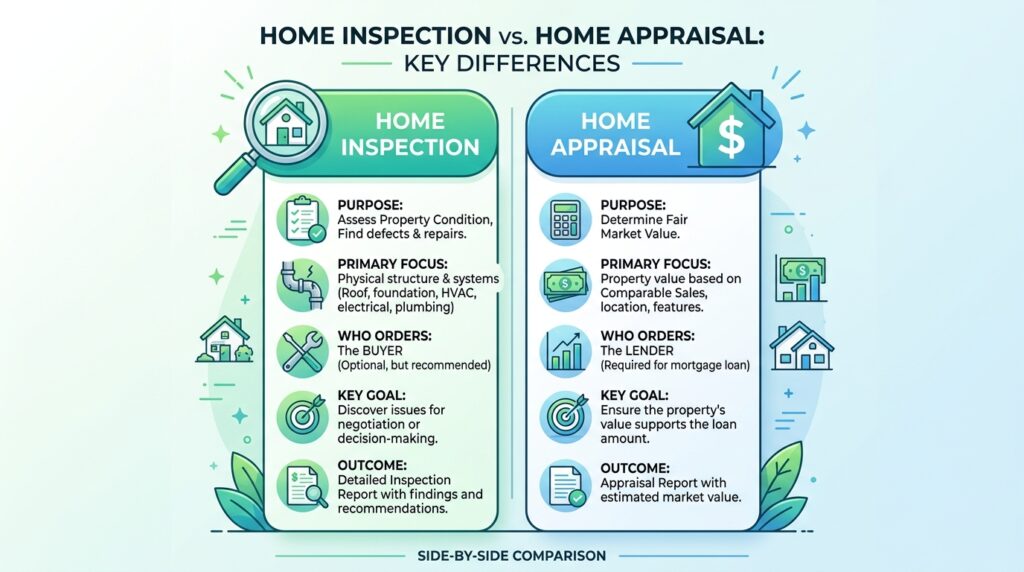
This trips up a lot of first-time buyers, so it’s worth clearing up clearly: a home inspection and a home appraisal are not the same thing, and they don’t cost the same either.
An appraisal is ordered by your lender to determine the home’s market value — it protects the bank’s investment, not yours. It typically costs less than a full inspection and focuses on comparable sales, square footage, and a general visual check for safety issues.
A home inspection is something you order, focused entirely on the physical condition of the property — every system, every potential defect, every area of concern that could affect your decision to buy.
| Home Inspection | Appraisal | |
|---|---|---|
| Who orders it | Buyer | Lender |
| Who it protects | Buyer | Lender |
| What it checks | Condition of systems and structure | Market value of the property |
| Typical cost | $300 – $500 | Often less, varies by lender |
| Required by law? | No | Usually required for financing |
Some loan types require minimum property standards to be confirmed through the appraisal — but that is still not a substitute for a full home inspection. These appraisals confirm a home is safe, sound, and meets baseline requirements for the loan; they don’t dig into the detailed condition reporting a dedicated inspector provides.
In short: skipping your inspection because you’re already getting an appraisal is one of the more common (and costly) mistakes buyers make.
Specialized Inspections: What They Cost and When You Need Them
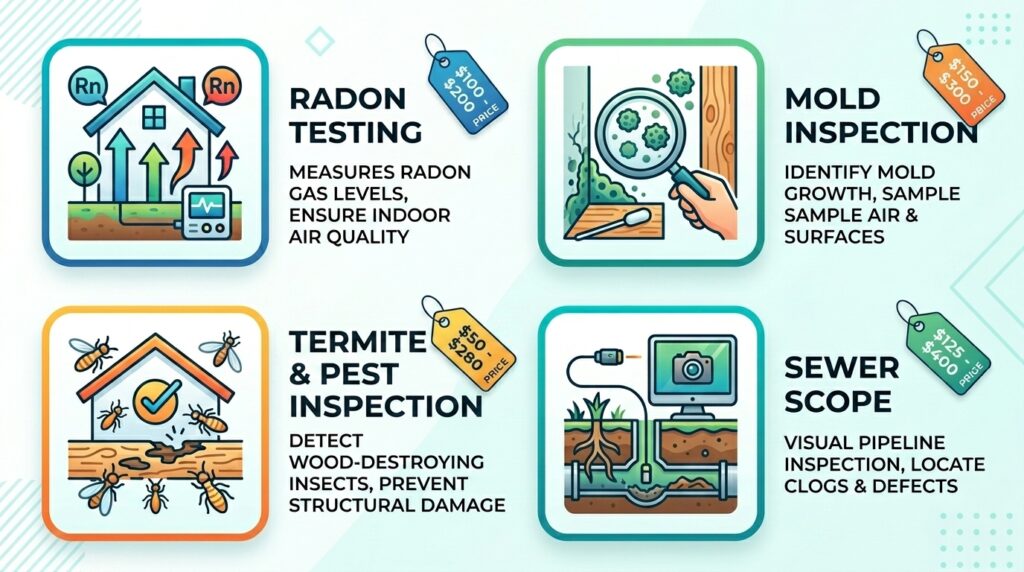
A standard home inspection is broad but not exhaustive. It covers what’s visible and accessible — not what’s buried, sealed, or requires lab testing. That’s where add-on inspections come in.
Here’s a breakdown of the most common ones:
| Inspection Type | Typical Cost | Why You’d Need It |
|---|---|---|
| Radon Testing | $100 – $200 | Common in basements; radon is a known health risk |
| Mold Inspection | $150 – $300 | Recommended if there’s visible moisture or musty odors |
| Termite/Pest Inspection | $50 – $280 | Often required by lenders in termite-prone regions |
| Sewer Scope | $125 – $400 | Useful for older homes with unknown pipe condition |
| Asbestos Testing | $250 – $800 | Relevant for homes built before the 1980s |
| Pool/Spa Inspection | $100 – $200 | Needed if the property has a pool or hot tub |
Radon Testing
Radon is an invisible, odorless gas, and it’s not a small concern — it’s recognized as the second leading cause of lung cancer in the United States. If you’re buying a home with a basement or in a radon-prone region, this test is worth the extra cost. The testing device typically needs to sit in place for at least 48 hours to get an accurate reading.
Mold Inspection
Mold is sneaky. It can hide behind walls, under flooring, or in crawl spaces long before you ever notice a smell. If the home had any history of water damage, flooding, or a leaky roof, a mold inspection adds peace of mind.
Termite and Pest Inspections
In many parts of the country, especially the South, termite inspections are practically standard practice — and some lenders require proof of one before approving a loan. The upfront cost is small compared to the potential damage: termites can cause thousands of dollars in structural repair if left unchecked.
Sewer Scope Inspections
This one’s often overlooked by first-time buyers, but it can save you from a financial nightmare. A sewer scope sends a small camera through the home’s sewer line to check for cracks, root intrusion, or blockages — issues a standard inspection won’t catch since the pipe runs underground.
How Long Does a Home Inspection Take?
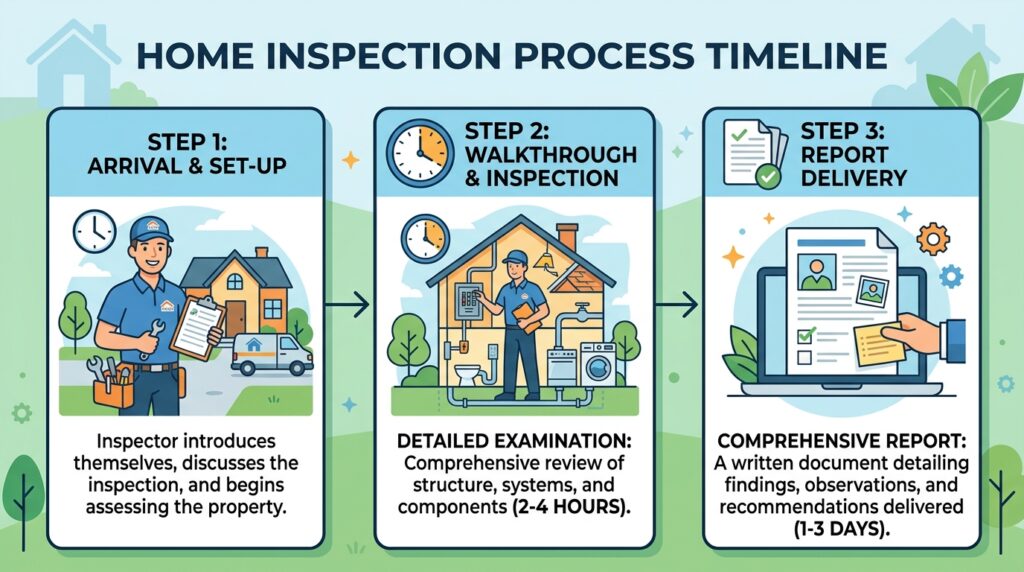
This is the second question most buyers ask right after the cost — and it matters just as much for planning your day.
On average, a home inspection takes 2 to 4 hours on-site. For the average property, buyers should expect an inspector to spend anywhere from two to four hours on-site, then plan to receive their report between one and three business days later.
Here’s roughly what to expect based on home size:
| Home Size | Estimated Inspection Time |
|---|---|
| Small condo (under 1,200 sq. ft.) | 1.5 – 2.5 hours |
| Mid-size home (1,500 – 2,000 sq. ft.) | 2 – 3 hours |
| Larger home (2,500 – 3,500 sq. ft.) | 3 – 4 hours |
| Very large or older homes | 4+ hours |
A few things stretch that timeline:
- Older homes with outdated systems, mixed materials, or unusual layouts take more time to evaluate properly.
- Multiple structures on the property — detached garages, guest houses, sheds — each add inspection time.
- Significant issues that need to be photographed and documented in detail can easily add another hour.
- Add-on services like radon testing or pool inspections extend the total time on-site, even if the core inspection itself wraps up faster.
Keep in mind that the on-site visit is only half the process. After the inspector leaves, they spend additional time writing up the formal report, often delivering it within 24 to 72 hours. So while you might only see the inspector for a few hours, the full process — from walkthrough to final report in your inbox — usually takes one to three days.
Tip: If you can, attend the inspection in person, or at least the last 30–45 minutes. Most inspectors are happy to walk you through what they found in real time, which is often more useful than reading the report cold a day later.
What Does a Standard Home Inspection Actually Cover?
It helps to know exactly what’s included before you write the check. A general home inspection typically covers:
- Roof – age, material condition, visible leaks or damage
- Foundation and structure – cracks, settling, drainage issues
- Exterior – siding, windows, doors, grading around the home
- Electrical system – panel condition, outlets, visible wiring issues
- Plumbing – pipe material, water pressure, visible leaks
- HVAC – heating and cooling system function and age
- Attic and insulation – ventilation, insulation levels
- Basement or crawl space – moisture, structural concerns
- Interior – walls, ceilings, floors, stairs, and railings
- Appliances – built-in kitchen appliances, water heater function
What it typically does not cover: anything behind walls, underground utility lines, swimming pool equipment (usually an add-on), septic systems, and code compliance verification. That’s an important distinction — an inspection tells you the condition of the home, not whether it meets every current building code.
Who Pays for the Home Inspection?
In the vast majority of real estate deals, the buyer pays for the inspection. It’s an out-of-pocket cost, separate from your closing costs, and it’s typically due directly to the inspector at the time of service — not folded into your mortgage.
There are a couple of exceptions worth knowing:
- Pre-listing inspections: Some sellers pay for an inspection before listing their home, either to identify and fix issues ahead of time or to use it as a selling point to attract buyers.
- Negotiated repairs: While the seller usually doesn’t pay for your inspection, they may agree to cover repair costs or offer a credit based on what the inspection uncovers.
One important detail: this fee is generally non-refundable, even if your deal falls apart afterward. That’s part of why it’s worth doing right the first time rather than choosing the cheapest inspector available.
Is a Home Inspection Worth the Cost?
Short answer: yes, almost always.
Think about it like checking under the hood of a used car before buying it. A home inspection costs a few hundred dollars upfront, but it’s designed to protect you from a purchase that could cost tens of thousands of dollars in surprise repairs.
Here’s a simple way to look at the trade-off:
Pros of getting a home inspection:
- Identifies major issues before you’re financially committed
- Gives you leverage to negotiate repairs or price reductions
- Provides peace of mind about your biggest financial purchase
- Helps you budget for future maintenance, even on a “passing” home
- Can reveal safety hazards you’d never spot on a casual walkthrough
Cons or limitations to be aware of:
- It’s an added upfront cost during an already expensive process
- It won’t catch every hidden issue (inspections are visual, not invasive)
- In hot markets, waiving inspection contingencies is sometimes used as a competitive tactic — though this carries real risk
- Report findings can occasionally delay closing while repairs are negotiated
Consider the math: if you skip the inspection to save $350 and later discover the foundation needs $10,000 worth of repair, that’s a brutal trade. Once you close, nearly every problem with the house becomes yours to fix — sellers aren’t required to repair anything found after the sale finalizes.
How to Choose the Right Home Inspector (Without Overpaying)
Price matters, but it shouldn’t be the only factor. Here’s how to vet an inspector properly.
Check Their Credentials
Look for inspectors who hold recognized industry certification and follow established training standards and codes of ethics for the profession. Licensing requirements vary by state, so confirm your inspector meets your state’s specific qualifications.
Ask for a Sample Report
A good inspector will happily show you a sample report before you book. This tells you how detailed (or vague) their documentation tends to be — and detail is exactly what you’re paying for.
Confirm What’s Included
Some inspectors bundle in extras like thermal imaging or a basic pest check; others charge separately for everything. Get a clear, itemized quote before the day of inspection so there are no surprises on your final bill.
Don’t Default to the Cheapest Option
It can be tempting to save $50–$100 by picking the lowest quote, but an inexperienced inspector might miss something significant. A more seasoned inspector, even at a slightly higher price, often pays for themselves many times over if they catch a major issue.
Read Recent Reviews
Look for specific, recent feedback — not just star ratings. Comments about thoroughness, communication, and whether the inspector explained findings clearly are far more useful than a generic five-star review.
Expert Tips for Budgeting Your Home Inspection
A little planning goes a long way here. A few practical tips that experienced buyers and agents recommend:
- Get your inspection scheduled fast. Most purchase agreements include an inspection contingency window of about 7–14 days. Book your inspector as soon as your offer is accepted — don’t wait until the last few days, especially during busy spring and fall seasons.
- Ask about bundling. Many companies offer discounts of 10–20% when you bundle a general inspection with add-ons like radon or sewer scope testing, compared to booking them separately.
- Budget beyond the baseline. If you’re buying an older home, in a region with radon or termite risk, or a property with a pool, plan for an extra $100–$400 in specialty testing on top of the standard inspection fee.
- Try to attend in person. Watching the inspector work — even just the final walkthrough — gives you context that’s hard to get from a written report alone.
- Use the report as a negotiation tool, not just information. If significant issues come up, you generally have options: ask the seller to make repairs, request a credit toward closing costs, or in serious cases, exit the contract through your inspection contingency.
What Happens After a Bad Inspection Report?
Here’s the moment that makes a lot of buyers nervous: the report comes back, and it’s not all good news. Maybe it’s a roof nearing the end of its life, an electrical panel that needs upgrading, or signs of past water damage in the basement.
Take a breath first. Almost no inspection report comes back perfectly clean — even brand-new homes turn up a few minor items. What matters is how you respond to what’s actually significant versus what’s just routine wear and tear.
Generally, you have a few paths forward:
Request repairs. You can ask the seller to fix specific issues before closing, especially anything related to safety, structural integrity, or major systems. This is most effective for big-ticket items like a failing furnace or a compromised foundation.
Negotiate a credit or price reduction. Instead of asking the seller to handle repairs themselves, you can request a reduction in the sale price or a credit toward your closing costs, then handle the repairs yourself after closing on your own timeline.
Walk away. If your purchase agreement includes an inspection contingency, and the issues are serious enough, you may be able to cancel the contract and get your earnest money back. This is usually a last resort, reserved for major structural or safety concerns.
Accept the home as-is. For smaller, cosmetic issues, many buyers simply choose to move forward and handle minor repairs themselves after closing.
A good rule of thumb: focus your negotiation energy on safety issues and major system failures — roof, foundation, electrical, plumbing, HVAC — rather than every small cosmetic flaw on the list. Trying to negotiate over every loose doorknob tends to weaken your position on the things that actually matter.
Common Mistakes Buyers Make With Home Inspections
A few avoidable missteps come up again and again during the home-buying process. Watching out for these can save you both money and stress.
Waiving the inspection to win a bidding war. In competitive markets, some buyers skip the inspection entirely to make their offer more appealing. It can work in your favor short-term, but it’s a real gamble — you could end up owning a home with tens of thousands of dollars in hidden problems and zero recourse.
Choosing the cheapest inspector available. Saving $50 to $100 on the inspection fee isn’t worth it if that inspector misses a major issue that costs you thousands later. Treat this like hiring any other professional for an important job — qualifications matter more than the lowest quote.
Not attending the inspection. Reading a written report is helpful, but it’s no substitute for seeing issues in person and asking the inspector questions directly. If your schedule allows even 30 minutes at the end of the inspection, take it.
Skipping specialty inspections to save money. If your home has clear risk factors — a basement in a radon-prone area, an older home with potential asbestos, a region known for termites — skipping these add-ons to save a couple hundred dollars can backfire significantly.
Treating the report as a checklist instead of a planning tool. A home inspection report isn’t just about negotiating with the seller. It’s also a roadmap for what to budget for in your first few years of homeownership, even on items that aren’t urgent enough to fight over now.
Frequently Asked Questions
How much does a home inspection cost on average?
Most home inspections cost between $300 and $500, with the national average landing around $343. The exact price depends on your home’s size, age, location, and whether you add specialized testing like radon or mold inspection.
How long does a home inspection take?
A standard home inspection typically takes 2 to 4 hours on-site, depending on the size and condition of the home. The full process — including the written report — usually wraps up within 1 to 3 business days.
Who pays for the home inspection, the buyer or the seller?
In most transactions, the buyer pays for the home inspection. It’s a separate, typically non-refundable, out-of-pocket cost paid directly to the inspector — it’s not usually included in closing costs.
Is a home inspection worth the money?
Yes, in almost every case. A few hundred dollars spent upfront can reveal issues that would otherwise cost thousands of dollars to fix after you’ve already closed on the home. It also gives you leverage to negotiate repairs or price adjustments before finalizing the purchase.
Do new construction homes need a home inspection too?
Yes. Even brand-new homes can have installation errors or defective materials that the builder may have missed. A new construction inspection helps confirm everything was built correctly before you move in.
Final Thoughts
Buying a home is one of the biggest financial decisions you’ll make, and a home inspection is one of the smallest costs in that entire process relative to what it protects you from.
Budget around $300 to $500 for a standard inspection, factor in extra for any specialty testing your home might need, and don’t be afraid to spend a little more for an experienced, well-reviewed inspector. The few hundred dollars you spend now could easily save you thousands down the road — and just as importantly, it’ll let you walk into closing day with real confidence about what you’re buying.
If you’re getting ready to schedule one, start by getting a few local quotes, ask each inspector what’s included, and pick someone who’s thorough rather than just fast or cheap. Your future self, sitting in that house years from now, will thank you for it.

