
Key Takeaways
- Choosing energy-efficient window styles is especially important for Austin’s varied climate.
- U-factor and Solar Heat Gain Coefficient (SHGC) should guide window selection.
- Window material, professional installation, and proper maintenance directly impact long-term energy savings.
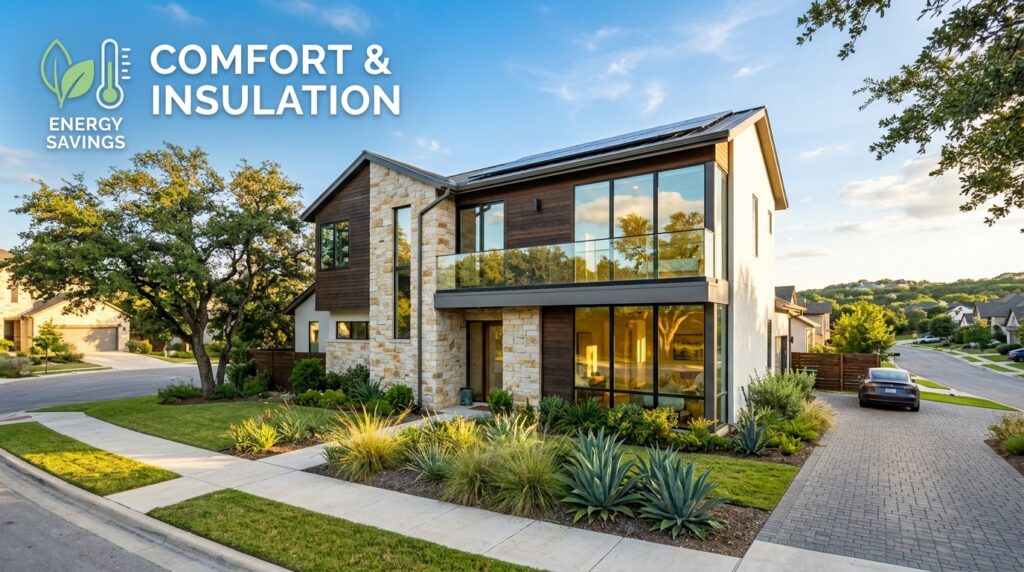
Enhancing your home’s energy efficiency in Austin, Texas is more than just a trend. It is a practical step to maximize indoor comfort while keeping rising utility costs in check. The climate in Central Texas demands thoughtful selection of windows, given the region’s distinct hot summers and chilly winter cold fronts. Homeowners seeking greater comfort and sustainability should explore energy-saving window styles that address both summer heat and winter energy retention.
Selecting the right window options is essential for managing Austin’s unique seasonal shifts and helping your HVAC system operate as efficiently as possible. Beyond lowering your electric bills, energy-efficient windows can help extend the lifespan of your HVAC unit and improve your home’s value. With Austin’s frequent sunshine and occasional severe weather, choosing windows tailored to these local conditions makes a significant difference. Selecting optimal windows keeps your interior more comfortable, reduces furniture fading, and provides lasting benefits for both older and newer homes in this vibrant Texas city.
By understanding the key ratings, materials, and features that optimize thermal performance, you can make smart investment choices. The right windows act as your first line of defense against Texas heatwaves, while still delivering the insulation needed during unexpected winter frosts. This article will guide you through the most effective solutions to ensure your Austin home is prepared for every season. For a bigger impact, pairing advanced window technology with strategic installation and ongoing maintenance is critical. Exploring these strategies is especially relevant for Austin homeowners, where energy demands can fluctuate dramatically throughout the year due to local weather patterns.
Understanding Window Ratings
Window efficiency is measured primarily by two key ratings. First, the U-factor indicates how well a window insulates. For Austin, choosing windows with a lower U-factor helps trap desirable cool air inside during the summer and retain warmth in the winter. Second, the Solar Heat Gain Coefficient (SHGC) measures how much solar heat a window lets in. With Austin’s abundant sunshine and high temperatures, opting for a window with a low SHGC helps keep your home cooler and reduce utility usage. For a detailed breakdown of window performance metrics and how they relate to energy savings, review the U.S. Department of Energy’s guidelines.
Top Energy-Efficient Window Styles
In Austin, window style matters as much as the glass itself. Some types of windows naturally seal more tightly, prevent air leaks, and provide greater insulation. Consider these energy-efficient options:
- Fixed (Picture) Windows: While these windows cannot open, they offer an airtight solution perfect for rooms that prioritize energy efficiency and light over ventilation.
- Casement Windows: The sides of a casement window are hinged, so when you crank them closed, they form a tight seal that minimizes drafts and maximizes efficiency, ideal for unpredictable winds and storms that hit Austin.
- Double-Hung Windows: Both the upper and lower sashes slide, providing flexible ventilation. However, the extra movement may result in slightly higher air leakage rates than with casement styles. Careful maintenance can keep them performing effectively in humid springs and hot summers.
Frame Materials and Their Impact
Austin’s climate puts window frames to the test—the choice of material impacts thermal performance, durability, and maintenance needs. Vinyl frames are a popular choice in Texas as they do not warp in humidity and offer strong insulation at a modest price point. Wood frames also offer superb insulation but require vigilance against rot and pests, especially with Austin’s occasional heavy rainfall. Aluminum frames are valued for their durability and sleek look. Still, they can allow heat transfer more readily unless designed with a thermal break, making them less ideal unless supplemental insulation is added. Smart material selection amplifies the effect of energy-efficient glass. When choosing replacement windows, consider how frame maintenance will interact with Austin’s wind, heat, and seasonal rains.
Importance of Professional Installation
Even the best window cannot perform efficiently if installed poorly. Professional installers in Austin understand regional building codes and how to ensure a tight seal against gusty winds and heavy Texas rains. Professional window installation minimizes the risk of gaps, drafts, and water intrusion. This ensures your windows reach their full potential for efficiency and longevity, no matter what the weather brings.
Proper installation also protects your warranty, ensuring that the manufacturer’s guarantees on materials and energy efficiency remain valid.
Maintenance Tips for Energy Efficiency
To maintain energy-saving benefits year after year, regular window inspections are essential. Inspect weatherstripping and caulking every seasonal change, especially before Austin’s summer heatwaves and winter cold snaps. Clean tracks and remove debris to preserve smooth operation and seal integrity. If you notice condensation between panes or drafts, act quickly to fix issues before they undermine your window’s insulation properties.
Regular care prevents small problems from driving up energy bills. Maintaining your windows also increases your property’s resale value in Austin’s booming real estate market.
Additional Features to Consider
Advanced window technologies can supercharge your Austin home’s efficiency. Low-E (low emissivity) coatings reflect infrared energy, keeping summer heat out and winter warmth in. Multi-pane windows filled with argon or krypton gas reduce heat transfer through the glass. Triple-pane windows, though more costly, offer exceptional performance and sound-dampening, making them perfect for busy urban neighborhoods. These upgrades are especially beneficial for sun-facing rooms and homes on exposed lots in Central Texas. These features can pair with Austin-specific upgrades, such as built-in UV-blocking tints, for added comfort and protection.
Conclusion
Upgrading to energy-efficient windows in Austin, Texas, is a wise investment for year-round comfort and cost savings. By selecting styles and materials suited to local weather conditions, prioritizing professional installation, and staying vigilant with regular maintenance, you ensure that your home stands up to both heat and chill. Making informed choices not only improves day-to-day comfort but also boosts your home’s value and energy profile for many years to come. In addition to lowering monthly utility costs, energy-efficient windows can help reduce indoor temperature fluctuations, minimize drafts, and enhance overall home performance.
Features such as Low-E glass coatings, insulated frames, and multi-pane construction provide added protection against Austin’s intense summer heat while helping retain warmth during cooler months. Homeowners may also benefit from reduced HVAC strain, potentially extending the lifespan of heating and cooling systems. By investing in high-quality windows today, you create a more sustainable, comfortable, and attractive living environment that delivers long-term financial and environmental benefits.

