
Key Takeaways
- Central ducted HVAC systems provide consistent temperature control throughout the home.
- They enhance indoor air quality by integrating advanced filtration systems.
- Modern ducted systems offer energy efficiency, especially when properly installed and maintained.
- Incorporating zoning capabilities allows for personalized comfort in different areas of the home.
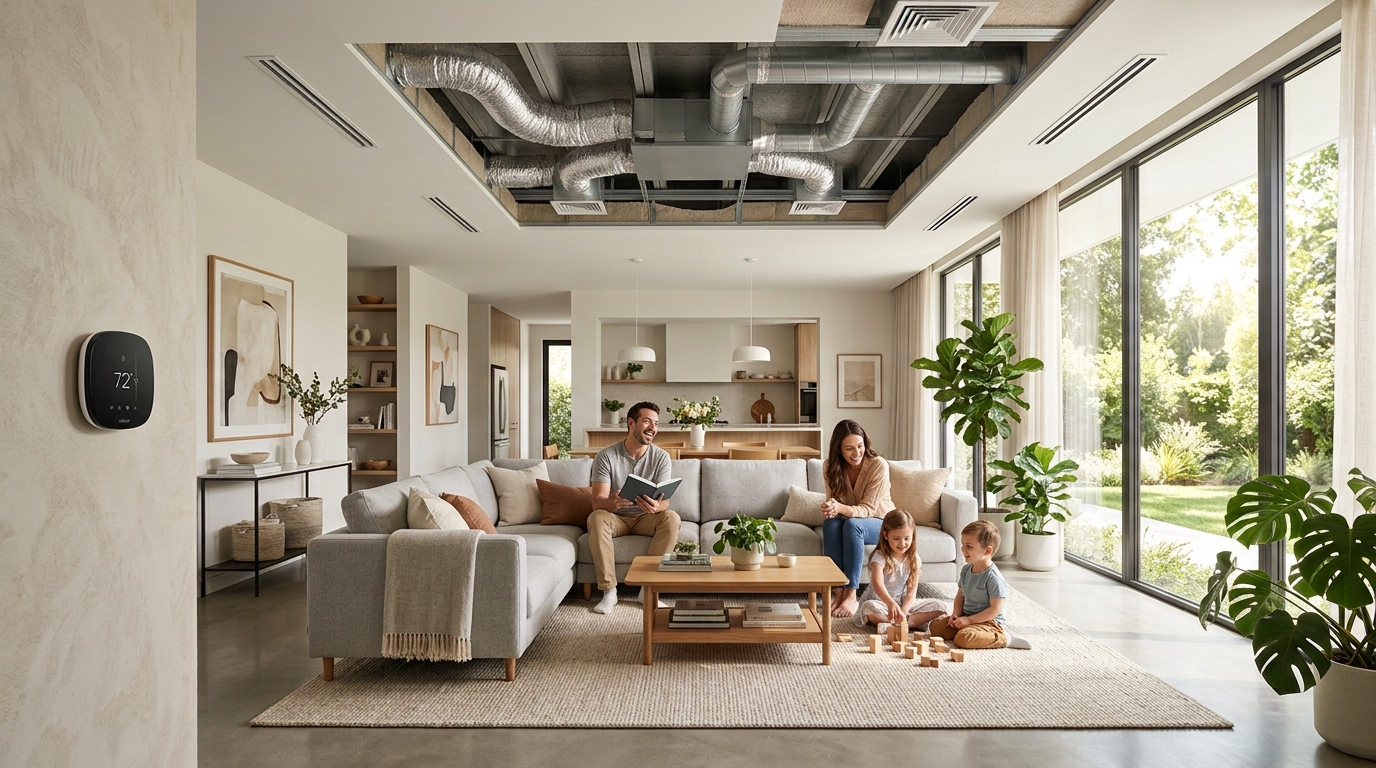
Choosing the right HVAC system is crucial for creating a comfortable, healthy, and energy-efficient living environment. Central ducted HVAC systems are gaining popularity, offering homeowners a reliable way to maintain an optimal indoor climate year-round. When considering whole-home climate control systems, it’s important to weigh both their advantages and the unique features that set them apart. These systems work by circulating conditioned air through a series of ducts, delivering a balanced temperature throughout every room. Their efficiency and ability to provide uniform comfort have made them a preferred choice for homeowners seeking convenience, enhanced air quality, and long-term value. Understanding how central ducted HVAC systems operate and their benefits will help you make an informed decision when upgrading your home’s comfort systems.
Consistent Temperature Control
A central ducted HVAC system excels at maintaining a steady, comfortable temperature throughout your home. Unlike portable units or window air conditioners, which tend to create hot or cold spots, central ducted systems distribute air through a network of ducts, minimizing temperature fluctuations. This is especially beneficial in homes with multiple stories or unique floor plans, where some areas might otherwise experience dramatic temperature swings. With centralized control, you can count on uniform comfort no matter the season.
Enhanced Indoor Air Quality
Indoor air quality can have a profound impact on health and well-being. Central ducted HVAC systems are designed with advanced filtration, often equipped with high-efficiency particulate air (HEPA) filters or comparable technology. These filters capture dust, pollen, pet dander, and other allergens, reducing triggers for conditions like asthma and allergies. Many systems also include ventilation features that circulate fresh outdoor air throughout the home, further minimizing contaminants and contributing to a healthier home environment. According to the Environmental Protection Agency, HEPA filters are highly effective at improving air quality.
Energy Efficiency and Cost Savings
Modern central ducted HVAC systems are engineered with energy efficiency in mind. Features like variable-speed blower motors, programmable thermostats, and properly sealed ducts all contribute to reduced energy consumption. When installed and maintained correctly, these systems can lower utility bills while delivering consistent comfort. Industry research by the U.S. Department of Energy finds that improving system installation can significantly improve efficiency and long-term savings.
Zoning Capabilities for Personalized Comfort
Many advanced central ducted HVAC systems offer zoning, which lets you adjust temperatures in different rooms or areas independently. This flexibility is ideal for families with differing comfort preferences or for optimizing unused spaces such as guest rooms or basements. By focusing heating and cooling only where and when it is needed, zoning not only improves comfort but can also drive down energy costs. This feature is particularly valuable in homes with complex layouts, as it personalizes comfort for every household member.
Quiet Operation
A significant benefit of central ducted HVAC systems is their quiet performance. Most of the system’s main components are installed in attics, basements, or dedicated utility closets, so noise from compressors and fans is largely out of earshot. This is a marked improvement over window units or portable systems, which can disrupt sleep or daily activities with constant humming. Central ducted systems help ensure that your living spaces remain as peaceful as possible.
Integration with Smart Home Technology
Today’s smart homes demand connected solutions, and central ducted HVAC systems are keeping pace. Many newer models are compatible with smart thermostats, home automation hubs, and even voice assistants. Remote control via smartphones or tablets makes it easy to schedule temperature changes, monitor energy usage, and receive maintenance alerts. This integration not only adds convenience but can also lead to further energy conservation by enabling precise adjustments based on your schedule and preferences. Consumer Reports notes that smart thermostats can lead to noticeable energy savings.
Long-Term Investment and Home Value
Installing a central ducted HVAC system provides value beyond immediate comfort. These systems are built to last, with many units offering reliable operation for 15 to 20 years and beyond when properly maintained. In real estate markets, homes with modern HVAC systems often attract higher offers due to their energy efficiency, convenience, and potential for lower ongoing costs. Prospective buyers tend to value properties with robust climate control, considering it a key factor in overall livability.
Considerations for Installation
Before proceeding with installation, it is important to evaluate your home’s specific needs. Existing ductwork, the age of the house, insulation levels, and square footage all influence the type of system that will provide the best results. Older homes, in particular, may require assessments or upgrades of their ductwork to support new systems. Working with a licensed HVAC professional ensures the right capacity and configuration, protecting your investment and maximizing the benefits of your new system. Central ducted HVAC systems offer a comprehensive approach to home comfort. Through consistent temperature control, superior air quality, energy efficiency, personalized zoning, and quiet performance, these solutions blend convenience and health to support modern living. By understanding these benefits and considering proper installation, homeowners can invest in a system that meets both current and future comfort needs.
Conclusion
A central ducted HVAC system is more than a heating and cooling solution; it is a long-term investment in comfort, efficiency, and healthier indoor living. From delivering consistent temperatures and cleaner air to reducing energy consumption and supporting smart home integration, these systems provide a comprehensive approach to climate control that meets the demands of modern households. Features such as zoning capabilities, quiet operation, and advanced energy-saving technologies further enhance convenience while helping homeowners manage utility costs more effectively. Although selecting and installing the right system requires careful planning and professional expertise, the long-term benefits often outweigh the initial investment. With proper sizing, quality installation, and routine maintenance, a central ducted HVAC system can provide reliable performance for many years, improving daily comfort, increasing home value, and creating a more enjoyable living environment for every household member.

