
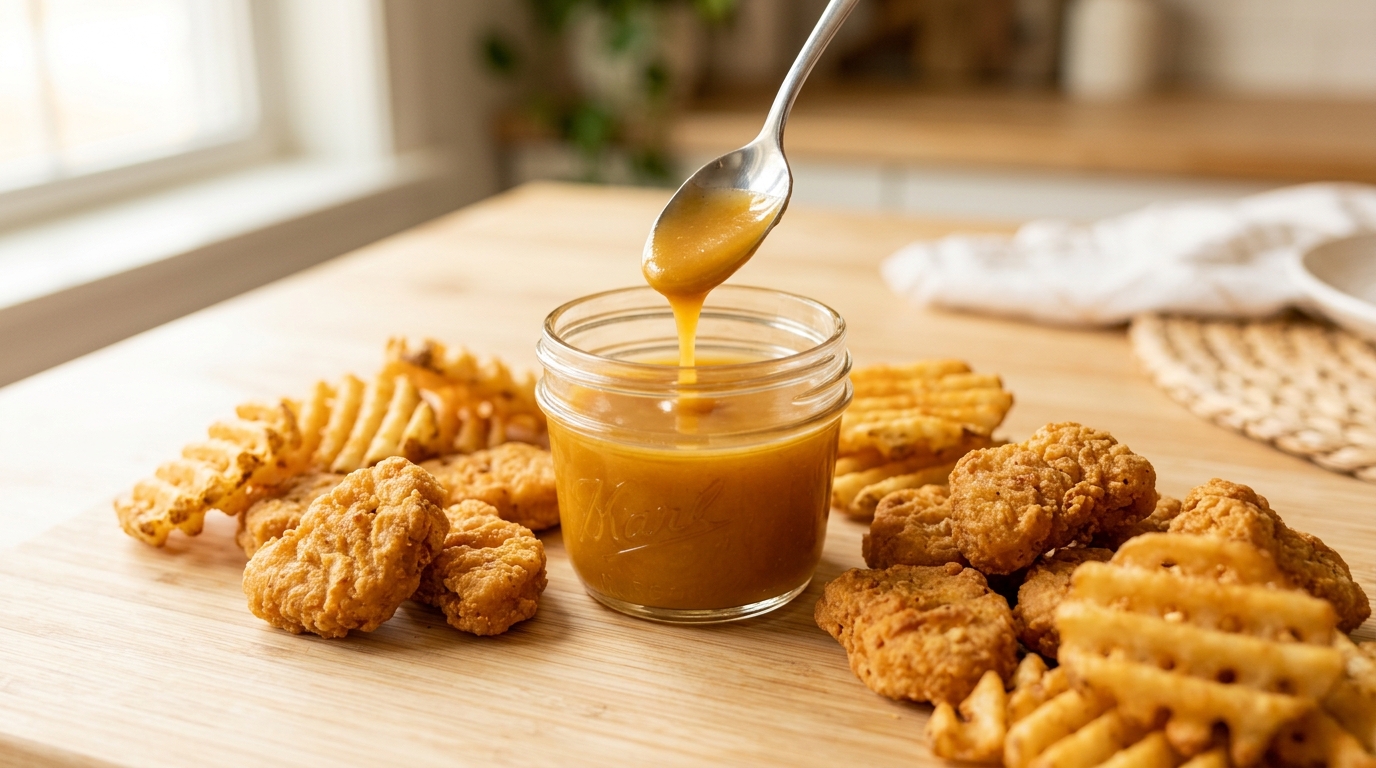
If you have ever finished a box of nuggets and immediately wished you had bought three more packets of that smoky, tangy sauce, you are not alone. Learning how to make Chick-fil-A sauce at home solves that problem for good, and it takes less time than a drive-thru run. All you need are five ingredients you probably already have in the fridge and a whisk.
The short answer: mix mayonnaise, yellow mustard, barbecue sauce, honey, and a splash of lemon juice, then whisk until smooth. That combination recreates the sweet, smoky, slightly tangy flavor that made the sauce famous, and it costs a fraction of what you would pay for extra packets. Below, you will find the exact ratio, the reasoning behind each ingredient, storage rules backed by food safety guidance, and answers to the questions people search for most.
What Actually Gives Chick-fil-A Sauce Its Flavor
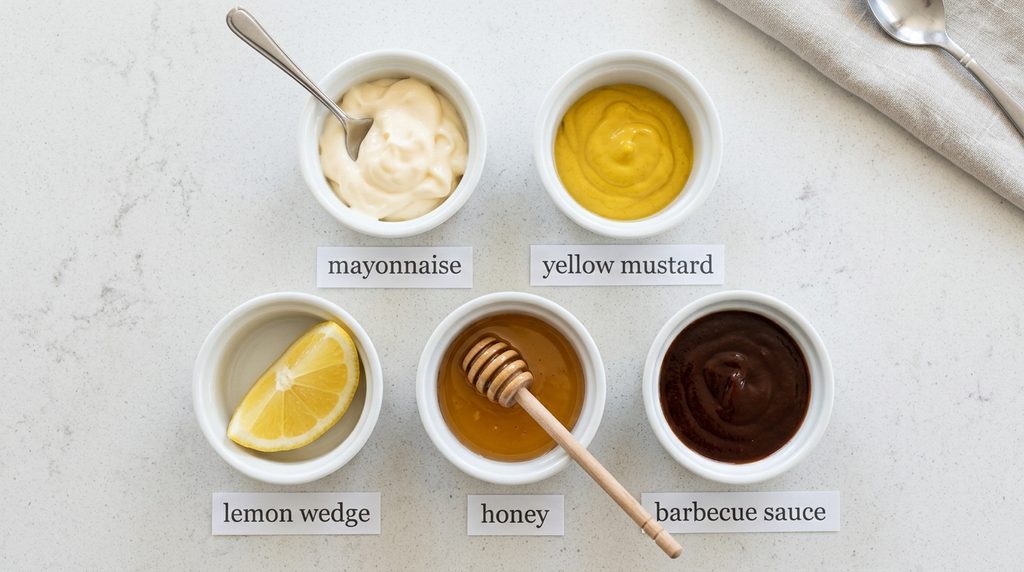
The restaurant has never published an official recipe, but the ingredient label on the retail bottled version gives away the building blocks. According to the label on the retail product, the bottled sauce lists soybean oil, sugar, barbecue sauce, mustard, distilled vinegar, egg yolk, and lemon juice concentrate among its core ingredients, which lines up almost exactly with a homemade mayo, mustard, barbecue sauce, and honey blend.
That is why nearly every copycat recipe circulating online lands on the same four or five components. Mayonnaise supplies the creamy, egg-based body. Mustard adds tang and a faint golden color. Barbecue sauce contributes smoke and sweetness. Honey rounds out the sweetness and thickens the texture slightly. A small amount of acid, usually lemon juice, brightens everything so the sauce does not taste flat.
Ingredients You Will Need
This recipe makes about one cup of sauce, enough for a family-size batch of nuggets or a few sandwiches. Feel free to double it if you are prepping for a party or want extra on hand for the week.
| Ingredient | Amount | Why It’s There |
|---|---|---|
| Mayonnaise | 1/2 cup | Creamy base and body |
| Yellow mustard | 2 tablespoons | Tang and mild spice |
| Barbecue sauce (smoky style) | 2 tablespoons | Smokiness and depth |
| Honey | 2 tablespoons | Sweetness and thickness |
| Lemon juice | 1 teaspoon | Brightness and balance |
| Salt | A small pinch (optional) | Rounds out the flavor |
A few notes on ingredient quality matter here. Full-fat mayonnaise made with real eggs gives a richer, more authentic mouthfeel than light or fat-free versions. For the barbecue sauce, choose a smoky, slightly sweet variety rather than a mustard-based or vinegar-forward Carolina style, since those flavors compete with the mustard already in the recipe.
Step-by-Step Instructions
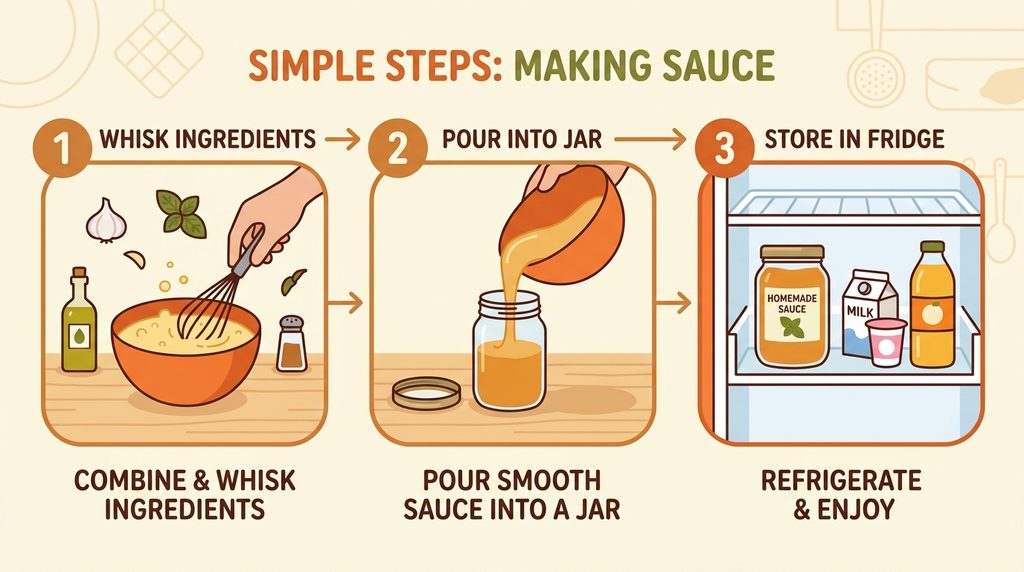
- Add the mayonnaise, yellow mustard, barbecue sauce, and honey to a small mixing bowl.
- Squeeze in the lemon juice and add a small pinch of salt if using.
- Whisk everything together until the mixture is completely smooth with no streaks of color.
- Taste the sauce and adjust. Add more honey for sweetness, more mustard for tang, or a touch more barbecue sauce for smokiness.
- Transfer the sauce to an airtight container or a squeeze bottle.
- Refrigerate for at least 30 minutes before serving so the flavors have time to meld.
- Give it a quick stir before serving, since ingredients can settle slightly during chilling.
Flavor Variations and Smart Substitutions
Once you have the base ratio down, it is easy to nudge the flavor in different directions depending on what you are serving it with. This table breaks down the most common swaps people search for.
| Variation | What to Change | Best Used With |
|---|---|---|
| Extra smoky | Use a hickory-smoked BBQ sauce or add 1/8 tsp liquid smoke | Grilled chicken, burgers |
| Spicier | Add a pinch of cayenne or a few dashes of hot sauce | Wings, spicy sandwiches |
| Dijon twist | Swap half the yellow mustard for Dijon | Adults who like sharper tang |
| Lighter version | Use light mayonnaise and reduce honey slightly | Everyday dipping, lower calorie |
| Polynesian-style | Stir in 2 tablespoons of sweet-and-sour sauce | Chicken nuggets, egg rolls |
Common Mistakes to Avoid
Most copycat attempts fail for one of a few predictable reasons, and they are all easy to fix once you know what to look for.
- Using the wrong barbecue sauce. A vinegar-heavy or overly spiced BBQ sauce throws off the balance. Stick to a classic sweet and smoky style.
- Skipping the chill time. Sauce tastes noticeably better after 30 minutes to an hour in the fridge, since the flavors need time to combine.
- Over-mustarding it. A little mustard goes a long way. Start with less and add more gradually.
- Using low-fat mayonnaise as the only fat source. It thins the texture and mutes the richness that makes the sauce feel indulgent.
- Not tasting as you go. Barbecue sauces vary a lot in sweetness and smoke level between brands, so the exact same measurements will not taste identical every time.
How Long Does Homemade Chick-fil-A Sauce Last
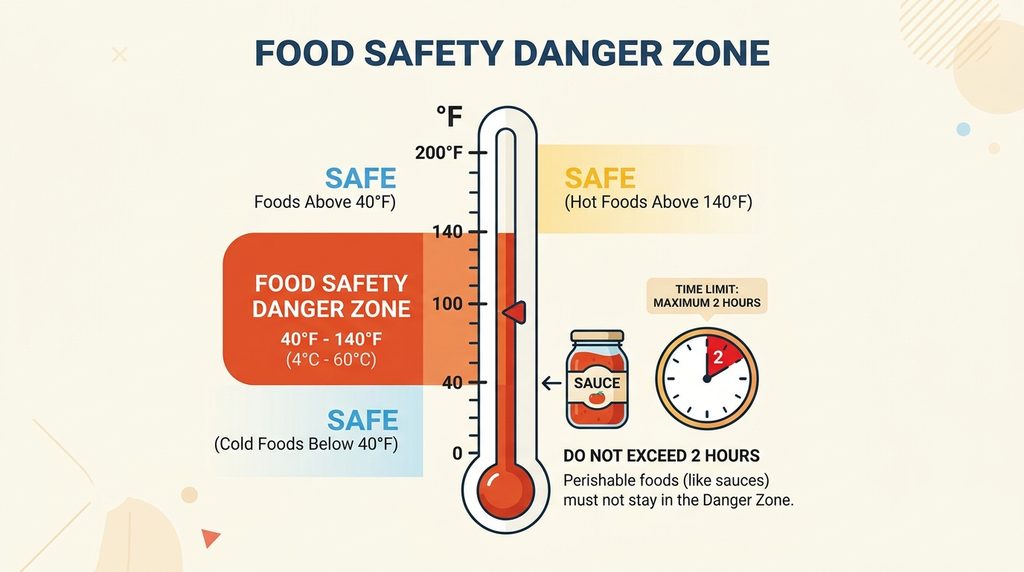
Because this sauce contains mayonnaise, which is typically egg-based, it needs to be treated like any other perishable condiment. The core food safety principle here is the same one that applies to potato salad, egg salad, or any dairy and egg-based dip.
Perishable foods, including egg-based sauces, should never sit out at room temperature for more than two hours, and that window shrinks to one hour if the room is warmer than 90°F, according to guidance from the USDA Food Safety and Inspection Service. Bacteria multiply quickly in what food safety experts call the “danger zone,” the range between 40°F and 140°F, so getting the sauce back into the fridge promptly matters more than most people realize. Stored properly in an airtight container in the refrigerator, homemade Chick-fil-A sauce typically stays fresh for 5 to 7 days.
If you are curious about how other common kitchen staples hold up outside the fridge, the same danger-zone logic applies to things like butter, and it is worth understanding how long butter can safely sit out before it becomes a food safety concern rather than just a texture issue.
Store-Bought vs. Homemade: A Quick Comparison
If you are deciding whether it is worth making your own instead of buying bottled sauce at the grocery store, here is how the two options stack up.
| Factor | Homemade | Store-Bought Bottle |
|---|---|---|
| Cost per batch | Roughly $0.50–$1.00 for 1 cup | $5–$7 for 16 oz |
| Prep time | About 5 minutes | None, ready to use |
| Ingredient control | Full control, easy to adjust sweetness or spice | Fixed formula |
| Shelf life | 5–7 days refrigerated | Several weeks once opened |
| Customization | Easy to make spicy, smoky, or lighter versions | Not customizable |
Ways to Serve It
This sauce is far more versatile than most people give it credit for, and it works well beyond the classic nugget dip.
- Dip for chicken nuggets, tenders, or fried chicken sandwiches
- Spread on burgers or grilled chicken sandwiches instead of plain mayo
- Drizzle over crispy waffle fries or sweet potato fries
- Mixed into coleslaw or potato salad for a smoky-sweet twist
- Used as a marinade base for grilled or baked chicken
If you are planning a meal built around a whole bird rather than nuggets, this sauce pairs just as well with roasted or rotisserie chicken. It is worth checking how long a rotisserie chicken stays good in the fridge if you are prepping both ahead of time for the week.
Troubleshooting: My Sauce Doesn’t Taste Right
- Too tangy or sharp: Add more honey, a half-tablespoon at a time, to soften the mustard bite.
- Too sweet: Add a small squeeze of extra lemon juice or a touch more mustard to cut through it.
- Too thin: Add an extra tablespoon of mayonnaise to thicken it back up.
- Flavor tastes flat: This usually means it needs salt or a bit more acid. A pinch of salt and a few extra drops of lemon juice often fix it.
- Color looks off: Streaks of yellow or orange mean it is not fully whisked. Keep whisking until the color is uniform.
Frequently Asked Questions
Is Chick-fil-A sauce just honey mustard and barbecue sauce?
Not exactly, but it is close. It is best described as a blend of mayonnaise, mustard, barbecue sauce, and honey, which creates a flavor similar to honey mustard with added smokiness from the barbecue component.
What is the closest store-bought sauce to Chick-fil-A sauce?
Several brands sell bottled versions labeled as “Chick-fil-A Sauce” directly in grocery stores, and some honey mustard barbecue blends from other brands come close as well. Homemade versions are generally considered closer in flavor by most home cooks who have compared them side by side.
Can I make this sauce without mayonnaise?
You can substitute plain Greek yogurt for a tangier, lighter version, though the texture and richness will be noticeably different from the original. The overall smoky-sweet flavor profile still comes through reasonably well.
Does this sauce contain egg?
Yes, because it is mayonnaise-based, and mayonnaise is made with egg yolks. Egg is one of the major food allergens tracked under U.S. labeling law, so anyone with an egg allergy should avoid mayonnaise-based sauces or use an egg-free mayo alternative, per FDA guidance on major food allergens.
Is it safe to give this sauce to babies or toddlers?
Because the recipe contains honey, it should not be given to infants under 12 months old due to the risk of infant botulism, a rare but serious illness linked to Clostridium botulinum spores sometimes found in honey, according to the California Department of Public Health. For children over one year old, the sauce is generally fine in normal serving amounts.
How long can I leave this sauce out at a party or picnic?
Follow the same rule used for any mayonnaise-based dish. Keep it out for no more than two hours at normal room temperature, or one hour if the temperature climbs above 90°F, then return it to the fridge or discard it.
Can I freeze homemade Chick-fil-A sauce?
Freezing is not recommended. Mayonnaise-based sauces tend to separate and turn watery once thawed, which ruins the smooth texture that makes this sauce enjoyable.
Why does my homemade version taste different from the restaurant’s?
Small variations in mustard brand, barbecue sauce sweetness, and honey type can shift the flavor slightly each time. Taste as you go and adjust the ratios rather than following the measurements rigidly, since brands vary more than most recipes account for.
Is homemade sauce healthier than the bottled version?
It can be, depending on the mayonnaise and barbecue sauce you choose. Making it yourself lets you control sugar and sodium levels, which is not possible with a pre-made bottle where the formula is fixed.
Final Thoughts
Once you get the ratio right, this sauce becomes one of those recipes you keep in regular rotation, not just for nuggets but for sandwiches, fries, and grilled chicken all week long. It takes less effort than a grocery run, costs a fraction of the price, and gives you full control over how sweet, smoky, or tangy you want it.
For more homemade condiment ideas that use the same small-batch, no-cook approach, this strawberry jam recipe follows a similar simple, ingredient-first method that is worth trying next. Mix up a batch of this sauce today, keep it in the fridge for the week, and see how quickly it becomes a staple in your own kitchen.

