
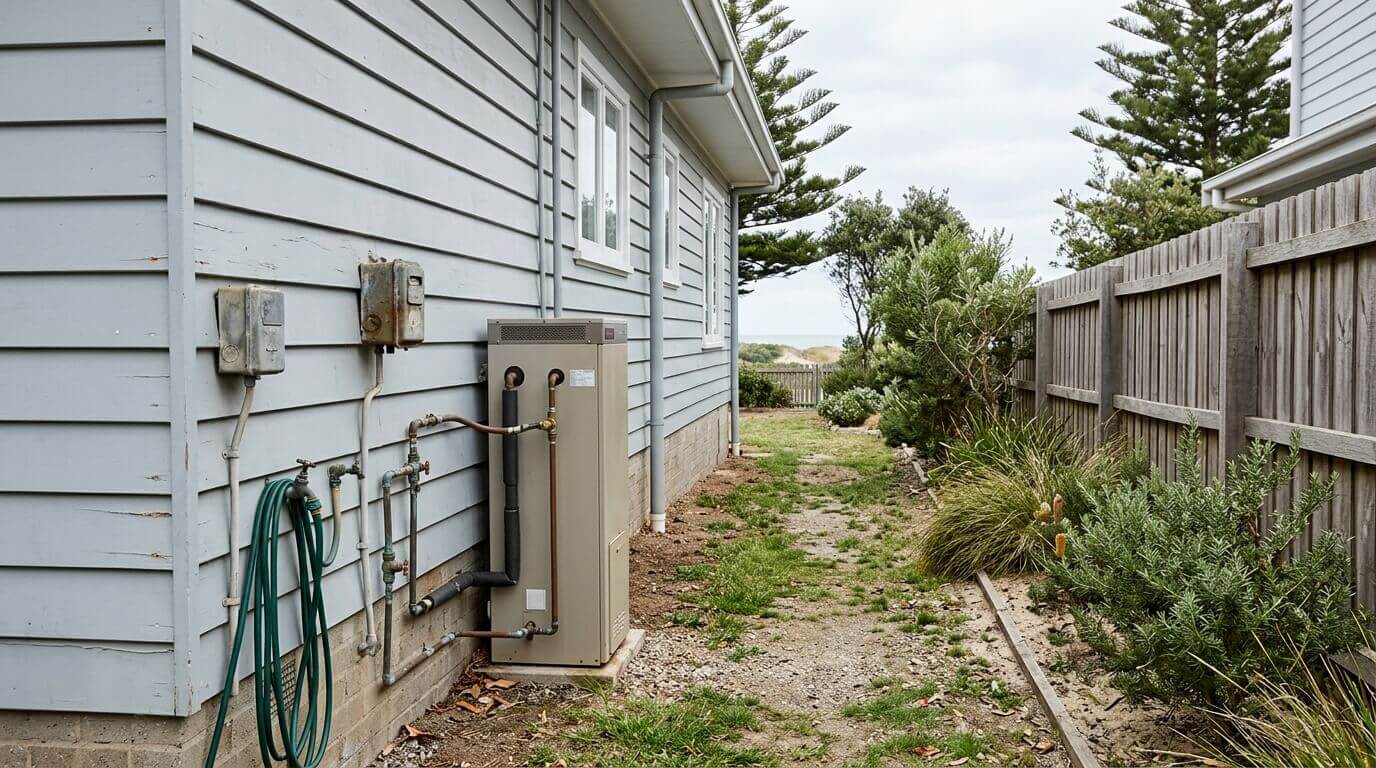
How to protect your coastal home from plumbing emergencies starts with understanding how salt exposure, aging pipes, heavy rainfall, and storm-related flooding affect household plumbing. Coastal properties face environmental conditions that can accelerate corrosion and expose existing weaknesses in pipes, valves, outdoor fixtures, and hot water systems. Regular inspections, timely repairs, and a clear emergency response plan can help homeowners reduce the risk of unexpected leaks and costly water damage.
Between July 2024 and May 2026, escape-of-liquid events accounted for 19 per cent of home insurance claims across Australia, according to the figures provided for this article. Burst pipes can cause extensive damage when water spreads through flooring, walls, insulation, and furniture. In coastal areas, environmental exposure and severe weather can make early maintenance particularly important.
The Hidden Threat of Coastal Salt Corrosion

Homes located close to the ocean may experience faster deterioration of tapware, valves, exposed pipe fittings, and outdoor hot water units. Airborne sea salt attracts and retains moisture, allowing metal surfaces to remain damp for longer periods. This can accelerate corrosion, particularly when fixtures are poorly protected or exposed to repeated wetting.
Research by the Commonwealth Scientific and Industrial Research Organisation (CSIRO) has examined how chloride exposure in marine and coastal environments contributes to the deterioration of building materials. The effects depend on factors such as the material, protective coatings, exposure conditions, and maintenance history.
When dissimilar metals come into contact in the presence of moisture, galvanic corrosion can also occur. Older plumbing systems may be particularly vulnerable to localised pitting, which can gradually weaken metal pipes and create small leaks. These defects are not always visible from outside the pipe, meaning deterioration can continue until water pressure drops or a leak becomes noticeable.
Homeowners should watch for rust around fittings, recurring damp patches, discoloured water, unexplained changes in water pressure, and repeated leaks. These signs do not always indicate widespread corrosion, but they justify further investigation. If an older property experiences recurring leaks in different areas, assessing whether the plumbing system needs attention can help determine whether isolated repairs are sufficient or a more extensive replacement should be considered.
Preparing for Severe Weather and Storm Surges
Coastal properties can also face heavy rainfall, flash flooding, storm surges, and drainage problems. The level of risk varies according to the property’s elevation, local drainage capacity, proximity to waterways, and the condition of surrounding infrastructure.
In the Illawarra region, severe weather has affected residential areas and placed pressure on local drainage systems. When heavy rain arrives, blocked drains, damaged pipe connections, and existing plumbing defects can create additional problems for homeowners.
Keeping contact information for a qualified local plumber is a practical part of emergency preparation. If an urgent issue occurs, Wollongong emergency plumbing may be relevant for properties in the area. During widespread storms, however, response times can vary depending on demand, road access, and the severity of the conditions.
A plumbing fault that goes unnoticed can release a substantial amount of water into a property. Flexible supply hoses, appliance connections, and aging pipe joints may fail without much warning. During severe weather, access to damaged properties and repair services can also become more difficult.
Homeowners can reduce some of these risks by checking visible plumbing before storm season, keeping outdoor drainage clear, and learning how to shut off the main water supply safely. It is also useful to understand the steps in a water damage emergency response plan so household members know how to respond if a leak or flood affects the property.
Essential Steps to Safeguard Your Plumbing System
Preventive maintenance helps identify deterioration before it develops into a major plumbing failure. A routine inspection does not eliminate every risk, but it can reveal loose fittings, early corrosion, leaking connections, and other issues that might otherwise remain unnoticed.
The following steps can help protect a coastal property.
- Inspect exposed plumbing: Check visible pipes, outdoor taps, valves, and hot water connections for rust, pitting, dampness, or damaged protective coatings. Pay particular attention to joints and areas where different metals meet.
- Check flexible water hoses: Inspect braided hoses connected to sinks, toilets, washing machines, and other appliances. Replace hoses that show corrosion, bulging, fraying, or leakage. Choose suitable replacement products that meet applicable standards and manufacturer requirements.
- Test the main shut-off valve: Learn where the valve is located and check that it can be operated according to its instructions. If it is seized or difficult to turn, arrange professional attention rather than forcing it.
- Clear gutters and stormwater drains: Remove accumulated leaves and debris before periods of heavy rainfall. Make sure downpipes direct water away from vulnerable areas of the building.
- Arrange periodic plumbing inspections: A licensed plumber can assess visible components and investigate warning signs that may point to hidden pipe deterioration.
- Monitor water usage: Unexpected increases in water consumption may indicate a concealed leak, especially when household routines have not changed.
- Keep records of repairs: Document recurring leaks, replacement dates, inspection findings, and previous corrosion problems. These records can help identify patterns over time.
If the same plumbing fault keeps returning, avoid relying on repeated patch repairs without investigating its underlying cause. Information about plumbing problems before they become emergencies can help homeowners distinguish between minor issues that can be scheduled for repair and problems that require urgent professional attention.
What to Do When a Plumbing Emergency Occurs
Even a well-maintained plumbing system can fail unexpectedly. Knowing what to do first can help limit damage while keeping household members safe.
- Shut off the water if it is safe. For an active leak, close the relevant fixture valve or the main water supply if you can reach it safely. Do not enter a flooded area if electrical hazards may be present.
- Stay away from electrical hazards. Water near power outlets, electrical appliances, wiring, or a switchboard can create a serious risk. Avoid touching electrical equipment while standing in water. Seek qualified assistance when necessary.
- Protect belongings. If the affected area is safe to enter, move furniture, electronics, rugs, and other vulnerable items away from the water. Avoid walking on damaged or unstable flooring.
- Record the damage. Take photographs of the affected areas, visible leaks, and damaged belongings when doing so is safe. Keep receipts and records of emergency repairs for reference when speaking with your insurer.
- Contact the appropriate professional. A burst pipe, major leak, sewage backup, or leaking hot water system may require prompt attention from a licensed plumber. The urgency depends on the source, severity, and potential safety hazards.
- Address hidden moisture. Water can spread beneath flooring and inside walls even when the visible surface appears relatively dry. Significant water damage may require professional moisture assessment and drying to reduce the risk of further deterioration.
For broader household preparation, homeowners can review practical steps to prepare your home for an emergency, including keeping utility shut-off information and emergency contacts accessible.
Secure Your Home Against Coastal Elements
Coastal properties require maintenance that reflects their exposure to salt, moisture, wind, and severe weather. Corrosion can gradually weaken metal plumbing components, while heavy rainfall and drainage problems can increase the consequences of an existing leak.
Regularly inspecting exposed fittings, monitoring changes in water pressure, maintaining stormwater drainage, and arranging repairs when warning signs appear can help reduce the likelihood of serious plumbing problems. Older homes with repeated leaks may also benefit from a professional assessment of the overall plumbing system rather than continued repairs to individual sections.
No maintenance routine can prevent every emergency, but early detection and a practical response plan can make a meaningful difference. By understanding the risks and addressing developing problems promptly, homeowners can better protect their property from unexpected plumbing failures and water damage.

