
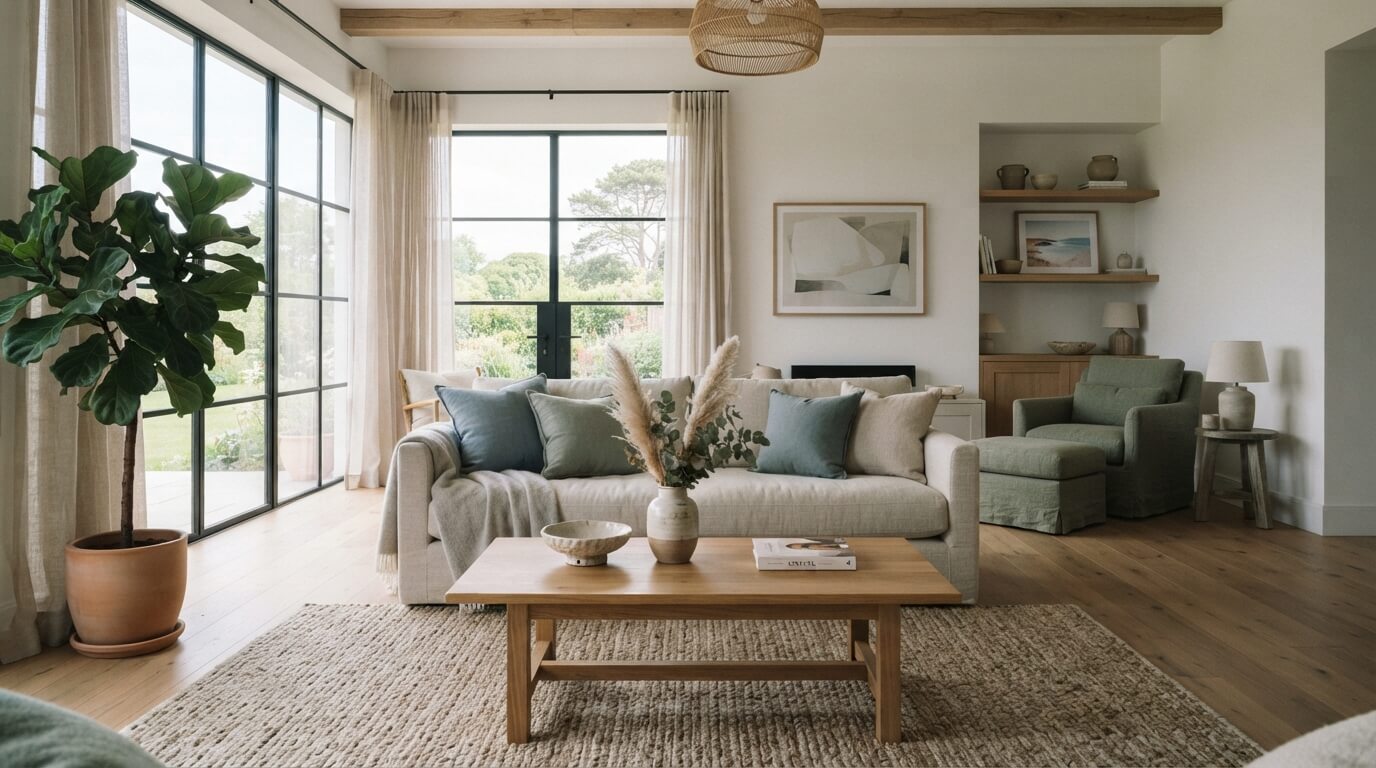
A coastal living room should feel relaxed, bright, and comfortable without relying on obvious beach-themed decorations. Warm neutrals, natural materials, soft colors, practical furniture, and layered lighting can create a room that feels connected to a coastal setting while still looking timeless.
The goal is not to fill the space with anchors, rope, seashells, or other nautical symbols. Instead, coastal character can come through in softened colors, tactile fabrics, natural wood, woven materials, and furniture with comfortable proportions. The finished room should feel calm and personal, with enough structure to look considered without becoming formal.
Furniture choices can also influence the balance of the room. Choosing High end furniture in Newport Beach, CA can help establish that balance, especially when the goal is a space that feels comfortable enough for everyday use while still working well for entertaining. However, the overall design should be based on the room’s size, layout, lighting, and how the household actually uses the space.
Warm ivory upholstery, oak or walnut accents, woven fibers, and muted green or clay details can work well in a coastal-inspired room. For homeowners refining an existing space or furnishing a new one, luxury furniture in Newport Beach, CA can provide a foundation for a room that looks intentional, from the largest seating piece to the smallest finishing touch. Focus first on comfort, scale, and practical materials, then let accessories introduce subtle coastal notes.
What Defines Modern Coastal Style?
Modern coastal style is quieter than themed beach decor and is one of many interior design styles that can create a balanced, comfortable room.
The style borrows from coastal surroundings through softened silhouettes, pale or medium-toned woods, airy fabrics, and organic shapes. A curved chair can suggest the movement of a wave without being literal. A ceramic bowl, woven shade, or landscape painting can reference the shoreline more subtly than a collection of nautical signs.
Restraint is important. Leave open space around key pieces, choose fewer accessories with greater visual presence, and let natural light contribute to the atmosphere. This approach can work in both compact rooms and larger open spaces, particularly when windows or views already provide a strong visual feature.
How Can You Build a Calm Coastal Color Palette?

Begin with a warm neutral base that can remain flexible over time. Ivory, oatmeal, sand, light taupe, and soft gray are practical starting points for walls, rugs, sofas, and window treatments. These shades can also prevent the room from feeling too cold when blue or green accents are introduced.
Which Accent Colors Work Well?
- Sea-glass green in pillows, glassware, or art can introduce a muted natural accent, while sage green offers another understated option for bringing color into a neutral room.
- Dusty blue in a throw, chair fabric, or framed print.
- Faded navy for a small amount of contrast.
- Clay, terracotta, or rust to introduce warmth.
- Deep brown or black in lamp bases, frames, or hardware.
Use the strongest shade sparingly, then repeat it in two or three places so it feels intentional. For example, a muted blue cushion can relate to a painting and a ceramic vase without making the room look overly coordinated.
How Can Natural Materials Add Coastal Texture?
Texture gives a neutral living room depth without requiring a large number of decorative objects. Combine linen or cotton upholstery with wood, rattan, cane, jute, stone, glass, and matte ceramic finishes.
Easy Texture Layers
- Place a smooth wood coffee table over a woven or flat-weave rug.
- Add a nubby throw to a clean-lined sofa.
- Use a woven basket for blankets, games, or magazines.
- Pair matte pottery with a glass lamp or metal-framed mirror.
- Choose fabric or woven shades to soften strong afternoon light, and compare different window treatments based on privacy, light control, and the overall feel of the room.
Three or four contrasting textures are usually enough to make the space feel complete. The aim is not to create a showroom of materials. Instead, combine smooth, soft, structured, and handmade-looking surfaces to give the eye gentle variation.
How Should You Arrange Furniture in a Coastal Living Room?
Furniture arrangement should support conversation before decoration, and a practical living room layout can make the space easier to use every day.
Position sofas and chairs so people can comfortably face one another rather than automatically placing every piece against the walls. A properly sized rug can visually connect the seating group and make the arrangement feel more settled.
Basic Layout Steps
- Measure the room. Measure the room, major windows, doors, and walking paths.
- Choose the main seating. Select the main seating piece according to the room’s scale.
- Anchor the seating area. Choose a rug large enough to anchor the principal seating area.
- Add practical surfaces. Place a side table or coffee table within reach of each seat.
- Protect circulation. Keep clear routes between entrances, outdoor areas, and adjoining rooms.
In a narrow living room, a compact sofa, two movable chairs, and a round coffee table may work better than an oversized sectional. Lightweight chairs can also be turned toward a window, fireplace, or guests when needed.
How Can Layered Lighting Make the Room More Comfortable?
Natural daylight is valuable, but it should not be the only lighting plan. Use ambient lighting for general brightness, task lighting for reading or games, and accent lighting to add warmth around artwork, shelves, or architectural details.
Table lamps with fabric shades can make the room feel softer in the evening, while dimmers provide flexibility for gatherings or quieter evenings. The aim is to create several levels of light rather than depending on one bright overhead fixture.
What Kind of Decor Works in a Coastal Living Room?
Decor should reinforce the overall mood without creating clutter. Abstract art in sand, cream, blue, or green tones, indoor plants, branches, books, handmade pottery, and one sculptural object can create a collected look.
Thoughtful wall art for your living room can also give the space a clear visual focal point. Instead of filling every surface, vary the height of objects on a console or coffee table by combining a low bowl, a medium vase, and a taller lamp or branch arrangement.
The best decorative choices should feel connected to the rest of the room rather than looking like separate additions.
How Can You Make the Room Work for Daily Life?
A beautiful living room is easier to enjoy when its materials support real routines. Consider stain-resistant or easily cleaned upholstery, sturdy table surfaces, and rugs that can handle regular foot traffic.
Before buying a large piece, consider whether it is comfortable for longer periods, fits through the entryway, works with the room’s proportions, and provides a practical surface for drinks, books, or other everyday items.
Durability does not have to mean sacrificing style. Natural-looking performance fabrics, washable textiles, and well-made surfaces can support regular use while maintaining the relaxed appearance associated with coastal interiors.
What Coastal Design Mistakes Should You Avoid?
- Using too many beach symbols: A few subtle references are more effective than repeated nautical motifs.
- Relying on cool white alone: Warm neutrals can make the room feel more inviting.
- Ignoring scale: Oversized furniture can restrict movement, while undersized pieces may disappear within the room.
- Repeating one texture: Mix woven, smooth, soft, and matte finishes for balance.
- Forgetting function: A living room should support relaxing, hosting, storage, and circulation.
- Over-accessorizing: Leaving some surfaces and walls open can help the room feel calmer and more spacious.
What Should You Check Before Finishing a Coastal Living Room?
- Does the room begin with a warm neutral foundation?
- Are at least three distinct textures visible?
- Can people move comfortably through the space?
- Does each frequently used seat have a nearby surface?
- Is the lighting comfortable after dark?
- Are the coastal references subtle and personal?
- Can the primary materials handle everyday use?
- Does the furniture fit the room without restricting movement?
Conclusion
A comfortable coastal living room does not require a complete renovation or a literal interpretation of the shore. A measured color palette, thoughtful furniture placement, natural texture, warm lighting, and durable materials can create a room that feels relaxed without becoming overly themed.
The most successful approach is to treat coastal design as an atmosphere rather than a collection of decorations. When color, texture, furniture, lighting, and everyday function work together, the result can feel comfortable, practical, and timeless.

